Công ty Hải Đức Bột với hơn 10 năm kinh nghiệm vận chuyển khí, cung cấp hệ thống‑thiết bị‑quạt gió và nhận dự án tổng thầu bột cả nước
Wheat flour conveying is a critical process in the flour milling industry, ensuring efficient movement of flour from storage to processing or packaging areas. The choice of conveying method depends on factors such as flour characteristics, production scale, and operational requirements. Below are some common methods used for wheat flour conveying, highlighting their applications and advantages.
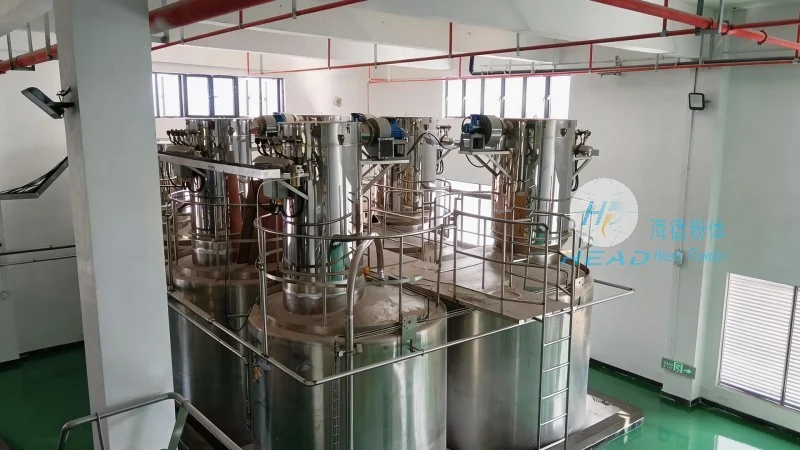
1. Screw Conveyors for Wheat Flour
Screw conveyors, also known as auger conveyors, are widely used for wheat flour conveying due to their ability to handle dry, free-flowing materials like flour. These systems consist of a rotating screw (auger) inside a cylindrical tube, which moves the flour forward through the conveyor. Screw conveyors are particularly suitable for vertical or inclined transport, allowing for efficient elevation changes while maintaining a controlled flow rate. They are often used in small to medium-scale flour mills, where space constraints and the need for gentle material handling are important considerations. The smooth interior of the screw prevents flour from sticking, reducing blockages and ensuring consistent performance. This method is cost-effective and easy to install, making it a popular choice for many flour processing facilities.
2. Pneumatic Conveying Systems
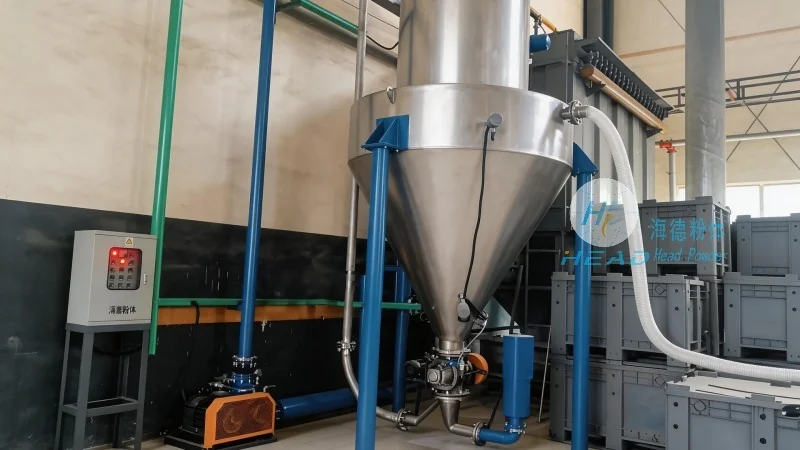
Pneumatic conveying, or air-based transport, is another common method for wheat flour handling. This system uses air pressure to move flour through a pipeline network. There are two main types: pressure and vacuum systems. Pressure systems push flour using compressed air, while vacuum systems draw flour using a vacuum pump. Pneumatic conveying offers advantages such as the ability to transport flour over long distances and through multiple points of discharge. It is also suitable for handling fine powders and can be integrated with other processing equipment, such as mixers or packaging machines. However, pneumatic systems require proper air filtration to prevent dust accumulation and may need higher energy consumption compared to mechanical conveyors. They are commonly used in large-scale flour mills where high throughput and flexibility are required.
3. Belt Conveyors for Bulk Flour Transport
Belt conveyors are widely used in the agricultural and food processing industries for transporting bulk materials, including wheat flour. These systems consist of a continuous belt that moves over rollers or pulleys, carrying the flour from one location to another. Belt conveyors are suitable for horizontal or slightly inclined transport and can handle large volumes of flour efficiently. They are often used in combination with other equipment, such as hoppers and elevators, to form a complete flour handling system. The design of the belt conveyor can be customized to accommodate different flour types and moisture levels, ensuring optimal performance. Belt conveyors are known for their durability and low maintenance requirements, making them a reliable choice for long-term operation. They are particularly effective in environments where continuous and uninterrupted transport is essential.
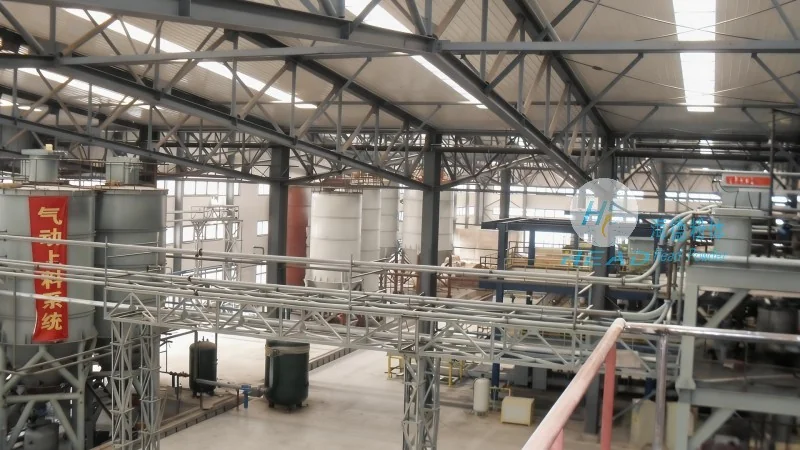
4. Bucket Elevators for Vertical Flour Conveying
Bucket elevators are specialized conveyors designed for vertical transport of wheat flour. These systems use a series of buckets attached to a chain or belt, which move vertically to lift flour from lower to upper levels. Bucket elevators are highly efficient for vertical conveying, with the ability to handle large quantities of flour at high speeds. They are commonly used in flour mills where vertical space is limited, and the need to elevate flour to higher processing levels is required. The design of the bucket elevator ensures minimal material spillage and efficient use of space, making it a preferred choice for vertical flour transport. However, bucket elevators may require more maintenance than other types of conveyors due to the moving parts and the need to handle abrasive flour particles. Proper lubrication and regular inspection are essential to maintain their performance and longevity.
Conclusion and Company Overview
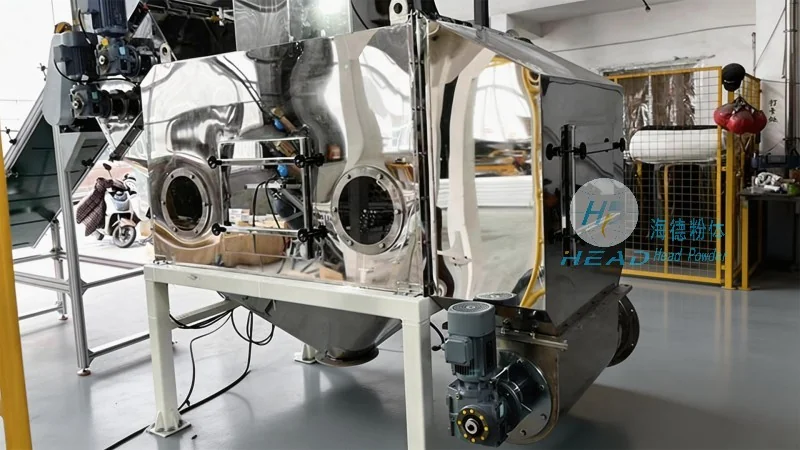
Efficient wheat flour conveying is essential for maintaining productivity and quality in flour milling operations. The choice of conveying method depends on various factors, including the specific requirements of the facility, such as production scale, space availability, and material characteristics. Companies like Shandong HeadPowder Engineering Co., Ltd., commonly known as headpowder, specialize in designing and manufacturing custom flour conveying systems tailored to the needs of their clients. With a focus on reliability, efficiency, and durability, headpowder provides solutions that enhance the overall performance of flour processing facilities. Based in Shandong, China, headpowder leverages its expertise and local resources to deliver high-quality conveying equipment and systems that meet the demands of the modern flour industry. Whether using screw conveyors, pneumatic systems, belt conveyors, or bucket elevators, the right conveying method can significantly improve the workflow and reduce operational costs in wheat flour handling.

 Công ty TNHH Kỹ thuật Công trình Bột Hải Đức Sơn Đông
 156-6277-7102(Quản lý Trương)
  0531-83386006
  Quận Chương Khâu, Thành phố Tế Nam, Tỉnh Sơn Đông, Trung Quốc
Điện thoại
WeChatTư vấn
Lên đầu