Công ty Hải Đức Bột với hơn 10 năm kinh nghiệm vận chuyển khí, cung cấp hệ thống‑thiết bị‑quạt gió và nhận dự án tổng thầu bột cả nước
High-temperature fine ash, typically generated from industrial processes like power generation or metallurgical operations, demands specialized transport systems to ensure safe and efficient movement. The selection of a conveying method is pivotal as it directly influences operational efficiency, safety protocols, and environmental compliance. This article provides a detailed comparison of common high-temperature fine ash conveying methods, focusing on their applications, advantages, and limitations. The analysis is grounded in industry standards and practical case studies, offering insights for engineers and facility managers in choosing the most suitable solution for their specific operational needs.
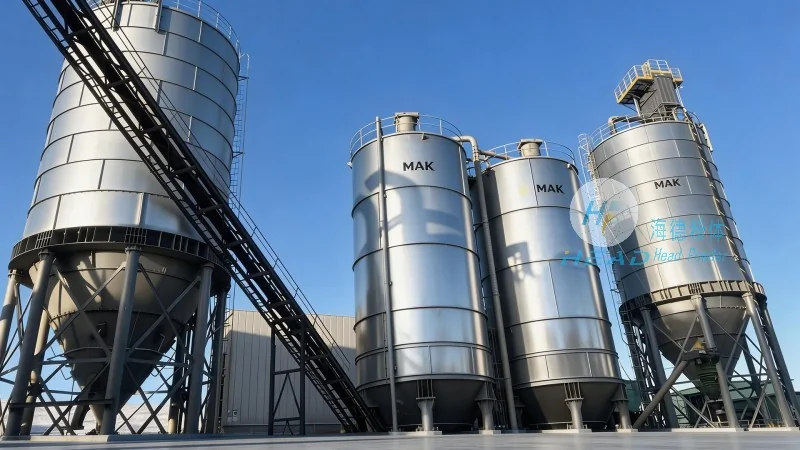
1. Positive Pressure Pneumatic Conveying Systems
Positive pressure pneumatic conveying systems are widely adopted for high-temperature fine ash transport due to their capability to handle abrasive and hot materials. In this approach, air is supplied under pressure to move the material through a pipeline. The system typically comprises a blower, a hopper for material storage, and a discharge point. A key advantage is the high conveying velocity, which minimizes the risk of material buildup and clogging. However, the system requires regular maintenance of the air compressor and pipeline, as well as proper filtration to curb dust emissions. The equipment from Shandong HeadPowder Engineering Co., Ltd. is engineered with robust components to withstand high temperatures and abrasive conditions, ensuring reliable performance in demanding environments.
2. Negative Pressure Pneumatic Conveying Systems
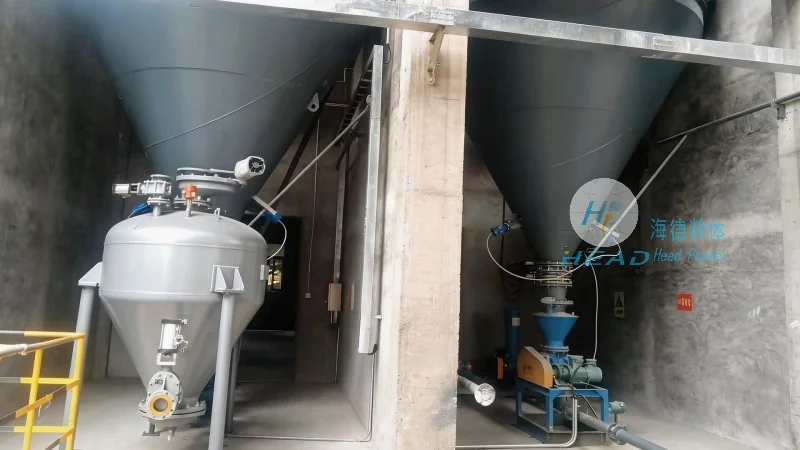
Negative pressure (or vacuum) pneumatic conveying systems operate by creating a vacuum in the pipeline to draw material from the source. This method is particularly suitable for applications requiring transport over long distances or through multiple bends. The system is generally more energy-efficient for short to medium distances compared to positive pressure systems. A notable benefit is the ability to handle materials with high moisture content or those prone to caking. The vacuum also aids in controlling dust emissions, as the material remains contained within the pipeline. However, negative pressure systems may experience higher energy consumption for long-distance transport and require careful sealing to prevent air leaks. Shandong HeadPowder Engineering Co., Ltd. offers vacuum conveying solutions optimized for temperature resistance and material handling efficiency.
3. Screw Conveyors for High-Temperature Ash
Screw conveyors are a mechanical method of transporting high-temperature fine ash, relying on a rotating screw to move material along a trough. This system is suitable for horizontal or slightly inclined transport and is often used in applications where the material is not excessively abrasive or where a continuous flow is required. The screw conveyor is relatively simple in design, making it cost-effective and easy to maintain. However, it may not be suitable for very hot materials as the screw and trough can be affected by thermal expansion and material degradation. The system from Shandong HeadPowder Engineering Co., Ltd. incorporates heat-resistant materials and efficient sealing to handle high-temperature conditions, ensuring consistent performance.
4. Belt Conveyors for Bulk Ash Transport
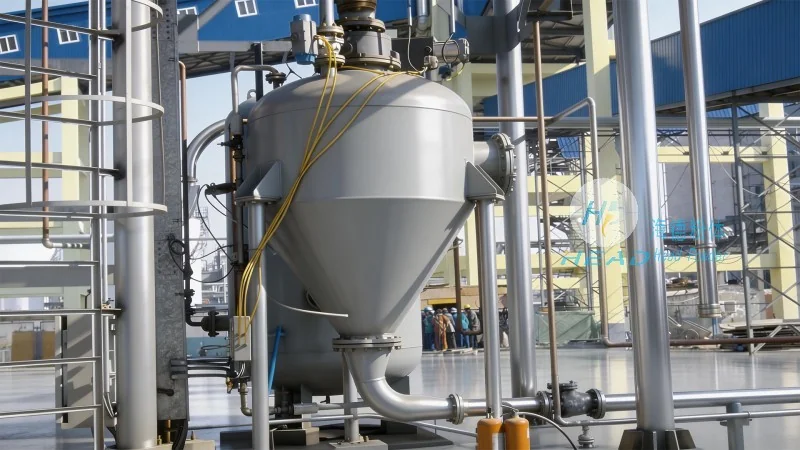
Belt conveyors are commonly used for bulk transport of high-temperature fine ash, especially in large-scale industrial settings. This method involves a continuous belt moving over rollers, transporting the material from the source to the destination. Belt conveyors are highly efficient for long-distance transport and can handle large volumes of material. They are also relatively low in maintenance compared to pneumatic systems. However, belt conveyors may require more space and are less suitable for vertical transport or where the material is very fine and dusty. The system from Shandong HeadPowder Engineering Co., Ltd. uses high-strength belts and temperature-resistant components to ensure durability and reliable operation in high-temperature environments.
5. Comparison and Selection Criteria
When selecting a high-temperature fine ash conveying method, several factors must be considered. The distance of transport, the volume of material, the temperature of the ash, and the required safety standards are all critical. Positive pressure systems are ideal for short to medium distances and high material velocities, while negative pressure systems are better for longer distances and materials with higher moisture content. Screw conveyors are suitable for moderate temperatures and horizontal transport, whereas belt conveyors excel in bulk and long-distance horizontal transport. The choice also depends on the specific characteristics of the ash, such as its abrasiveness and particle size. Shandong HeadPowder Engineering Co., Ltd. provides comprehensive solutions tailored to these factors, ensuring that clients can select the most appropriate conveying system for their operational requirements.
Conclusion
Choosing the right high-temperature fine ash conveying method is essential for optimizing industrial processes and ensuring safety. Each method has its own set of advantages and limitations, and the selection should be based on a thorough analysis of the application's specific needs. The systems offered by Shandong HeadPowder Engineering Co., Ltd. are designed to meet the diverse requirements of the industry, combining reliability, efficiency, and durability. By understanding the characteristics of each conveying method and considering the operational constraints, engineers can make informed decisions that enhance the overall performance of their facilities.

 Công ty TNHH Kỹ thuật Công trình Bột Hải Đức Sơn Đông
 156-6277-7102(Quản lý Trương)
  0531-83386006
  Quận Chương Khâu, Thành phố Tế Nam, Tỉnh Sơn Đông, Trung Quốc
Điện thoại
WeChatTư vấn
Lên đầu