Công ty Hải Đức Bột với hơn 10 năm kinh nghiệm vận chuyển khí, cung cấp hệ thống‑thiết bị‑quạt gió và nhận dự án tổng thầu bột cả nước
When it comes to handling and transporting sawdust particles, selecting the right conveying method is crucial for efficiency, cost-effectiveness, and operational safety. Sawdust, a byproduct of woodworking processes, is often used in various applications such as animal bedding, fuel, and industrial materials. However, its light weight and fine texture make traditional conveying methods challenging. This article provides a detailed comparison of common sawdust particle conveying methods, focusing on their advantages, limitations, and suitability for different industrial needs.
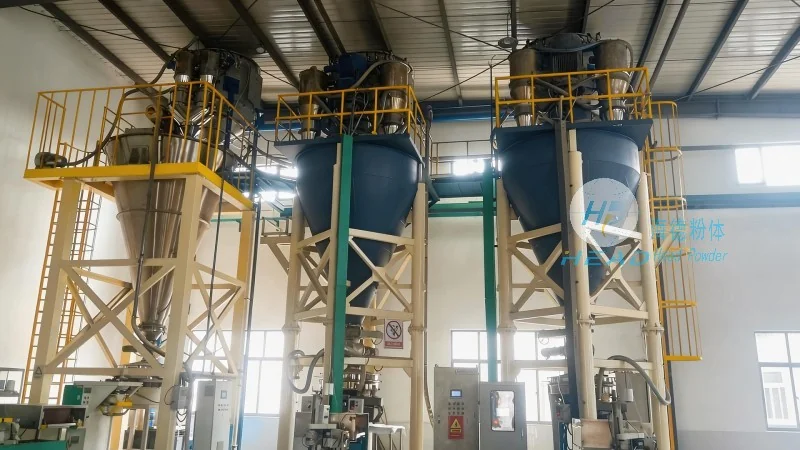
Understanding Sawdust Particle Characteristics
Before diving into conveying methods, it's essential to understand the properties of sawdust particles. Sawdust typically consists of small, irregularly shaped particles with a high surface area and low bulk density. These characteristics affect how materials move through different systems. For instance, the fine particles can cause clogging in traditional gravity or mechanical conveyors, while their light weight may require additional force to move them against gravity. The moisture content and dust generation also play a role in choosing the right equipment, as some systems are better suited for dry or wet sawdust.
Common Sawdust Particle Conveying Methods
Several methods are commonly used to transport sawdust particles, each with its own set of benefits and drawbacks. The primary options include mechanical conveyors, pneumatic conveying systems, and gravity-based systems. Each method is suitable for different scenarios based on the volume of material, distance to be covered, and the physical properties of the sawdust.
1. Screw Conveyors (Auger Conveyors)
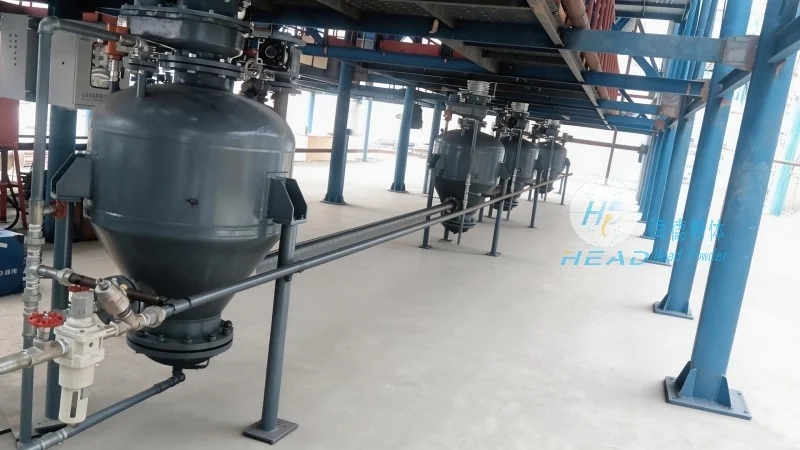
Screw conveyors, also known as auger conveyors, are one of the most widely used mechanical systems for transporting sawdust particles. These systems consist of a rotating helical screw inside a trough or tube. The screw rotates, pushing the material forward along the length of the conveyor. The design allows for vertical and horizontal transport, making it versatile for various applications. For sawdust, screw conveyors are effective for moderate volumes and distances, typically up to 30 meters horizontally or 5 meters vertically. They are particularly suitable for dry sawdust with low moisture content, as excessive moisture can cause the screw to bind or the material to stick to the trough. The main advantages of screw conveyors include their simplicity, low maintenance, and ability to handle a wide range of particle sizes. However, they may not be ideal for very fine or lightweight sawdust, as the material can easily fall back into the trough or cause blockages if the screw speed is too low. Additionally, the system can generate dust during operation, requiring proper sealing and dust collection measures.
2. Pneumatic Conveying Systems
Pneumatic conveying systems use air or gas to transport sawdust particles through a pipeline. These systems are categorized into two main types: pressure and vacuum. Pressure systems push the material with compressed air, while vacuum systems draw the material using a vacuum pump. For sawdust, pneumatic conveying is particularly effective for fine particles and high volumes, as it can handle long distances (up to several hundred meters) and vertical lifts. The system is also suitable for materials that are difficult to convey mechanically, such as very fine sawdust or those with high moisture content. One of the key advantages of pneumatic conveying is its ability to transport sawdust in a closed system, reducing dust emissions and improving safety. This is especially important in industrial settings where dust control is a regulatory requirement. However, pneumatic systems can be more complex and expensive to install and maintain compared to mechanical conveyors. They also require more energy to operate, as compressed air or vacuum pumps consume significant power. Additionally, the system may not be suitable for very large or heavy sawdust particles, as the air flow may not be sufficient to move them efficiently.
3. Gravity Conveyors
Gravity conveyors rely on the natural force of gravity to move sawdust particles from a higher to a lower level. These systems typically consist of inclined chutes or belts that allow the material to slide down due to its weight. For sawdust, gravity conveyors are most effective for short horizontal or vertical distances, typically up to 10 meters. They are particularly suitable for dry sawdust with a high bulk density, as the material can easily slide down the chute without requiring additional force. The main advantages of gravity conveyors include their simplicity, low cost, and minimal energy consumption. They do not require any moving parts or external power sources, making them reliable and easy to maintain. However, gravity conveyors are limited by the need for a sufficient slope to ensure the material moves at an acceptable speed. If the slope is too shallow, the sawdust may not move efficiently, leading to blockages or uneven flow. Additionally, gravity systems are not suitable for transporting sawdust over long distances or vertical lifts, as the material may not have enough energy to reach the destination. They are also less effective for fine or lightweight sawdust, as the material may not have enough momentum to slide down the chute.
4. Belt Conveyors
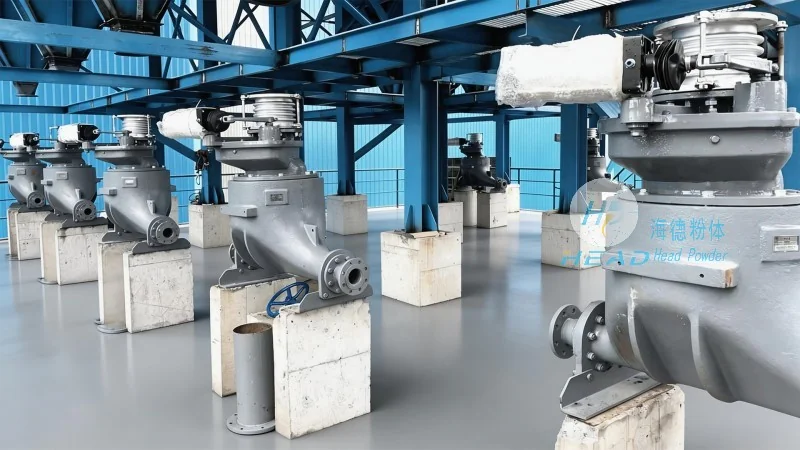
Belt conveyors use a continuous belt to transport sawdust particles horizontally or at a slight incline. The belt is supported by rollers and moves at a constant speed, carrying the material from the loading point to the discharge point. For sawdust, belt conveyors are effective for moderate to high volumes and long distances, typically up to 100 meters horizontally. They are particularly suitable for dry sawdust with a high bulk density, as the belt can handle the material without causing excessive dust or blockages. The main advantages of belt conveyors include their ability to handle large volumes of material, their durability, and their low maintenance requirements. They are also relatively easy to install and can be customized to fit specific operational needs. However, belt conveyors may not be ideal for very fine or lightweight sawdust, as the material can easily fall off the belt or cause the belt to slip. Additionally, the system can generate dust during operation, requiring proper sealing and dust collection measures. The belt also needs regular maintenance to prevent wear and tear, which can affect the efficiency of the system.
Choosing the Right Conveying Method for Sawdust
When selecting a sawdust particle conveying method, several factors must be considered to ensure optimal performance and cost-effectiveness. The first factor is the volume of material to be transported. For small volumes, a screw or gravity conveyor may be sufficient, while for large volumes, a pneumatic or belt conveyor is more appropriate. The second factor is the distance to be covered. Short distances (up to 10 meters) are well-suited for gravity or screw conveyors, while longer distances (up to several hundred meters) require pneumatic or belt systems. The third factor is the physical properties of the sawdust, including particle size, moisture content, and bulk density. Fine or lightweight sawdust may require pneumatic conveying, while coarse or dense sawdust can be handled by screw or belt conveyors. The fourth factor is the operational environment, including dust control requirements and space constraints. If dust control is a priority, pneumatic or enclosed belt systems are preferred. If space is limited, screw or gravity conveyors may be more suitable. Finally, the cost of installation, maintenance, and operation must be considered. Mechanical systems like screw or belt conveyors are generally less expensive to install and maintain compared to pneumatic systems, but they may require more frequent maintenance due to wear and tear.

 Công ty TNHH Kỹ thuật Công trình Bột Hải Đức Sơn Đông
 156-6277-7102(Quản lý Trương)
  0531-83386006
  Quận Chương Khâu, Thành phố Tế Nam, Tỉnh Sơn Đông, Trung Quốc
Điện thoại
WeChatTư vấn
Lên đầu