Công ty Hải Đức Bột với hơn 10 năm kinh nghiệm vận chuyển khí, cung cấp hệ thống‑thiết bị‑quạt gió và nhận dự án tổng thầu bột cả nước
Acrylic ester rubber is a specialized elastomer widely used in various industrial applications due to its excellent resistance to oil, chemicals, and high temperatures. When it comes to transporting this material, different methods are employed depending on the specific requirements of the process. Among these, pneumatic conveying stands out as a highly efficient and versatile solution. This article provides an overview of the advantages and features of pneumatic conveying for acrylic ester rubber, highlighting its benefits in material handling and process optimization.
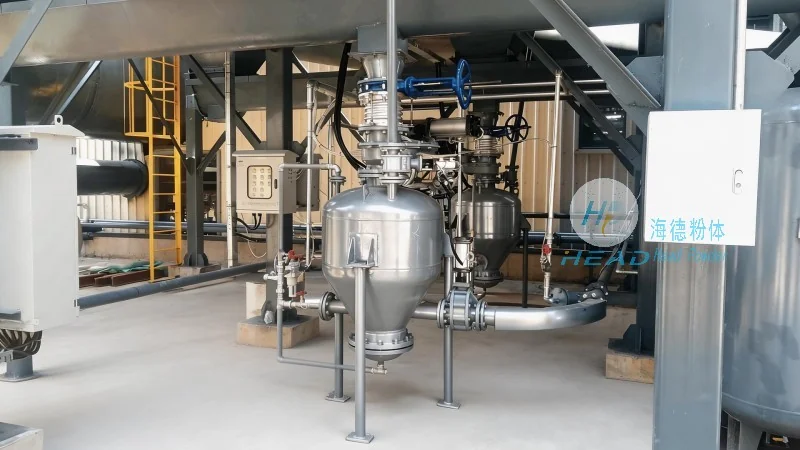
Introduction to Acrylic Ester Rubber and Conveying Challenges
Acrylic ester rubber, also known as AER, is a synthetic rubber with a unique chemical structure that imparts superior performance in demanding environments. Its applications range from automotive parts to industrial seals and gaskets. However, the handling of this material presents unique challenges due to its fine particle size, low bulk density, and sensitivity to moisture. Traditional conveying methods such as belt conveyors or screw conveyors may not be suitable for acrylic ester rubber, as they can cause material degradation or uneven distribution. Pneumatic conveying offers a solution by using air to transport the material in a controlled manner, minimizing contact with external elements and preserving the material's integrity.
Pneumatic Conveying Systems for Acrylic Ester Rubber
Pneumatic conveying systems for acrylic ester rubber typically consist of a hopper, a feeder, a conveying line, and a receiver. The system operates by creating a pressure differential between the hopper and the receiver, using compressed air to move the material through the line. There are two main types of pneumatic conveying systems: pressure and vacuum. Pressure systems use positive pressure to push the material forward, while vacuum systems use negative pressure to pull the material. For acrylic ester rubber, pressure systems are often preferred due to their ability to handle higher material loads and maintain consistent flow rates.
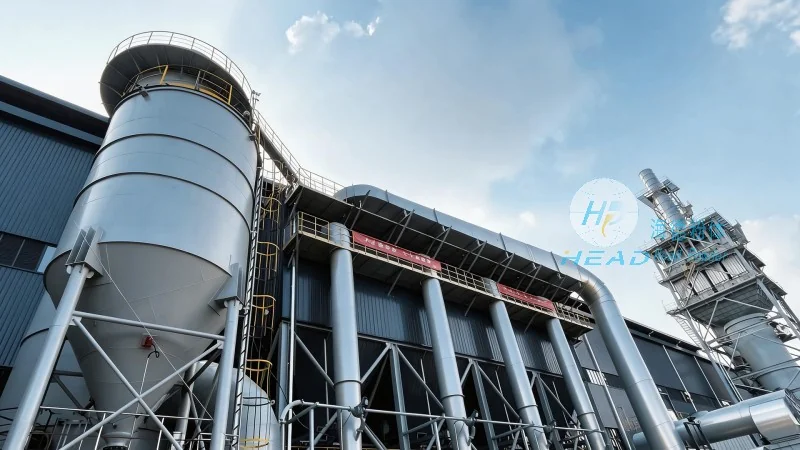
Advantages of Pneumatic Conveying for Acrylic Ester Rubber
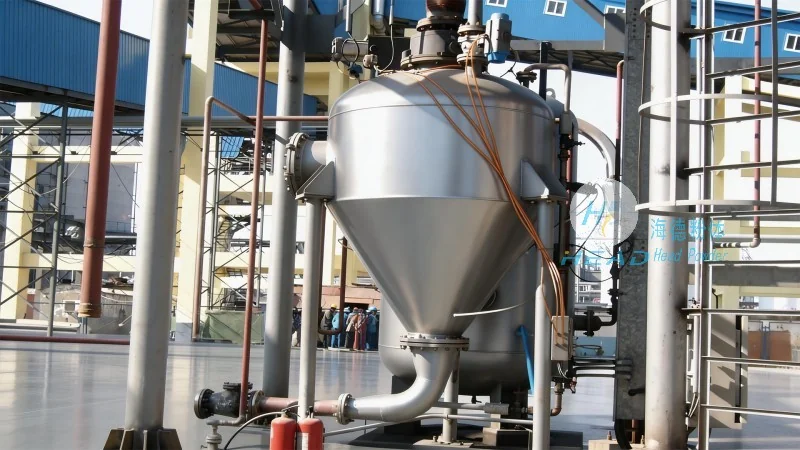
One of the primary advantages of pneumatic conveying for acrylic ester rubber is its ability to handle fine powders and granules efficiently. Unlike mechanical conveyors that can cause material segregation or degradation, pneumatic systems ensure uniform mixing and transport. This is particularly important for acrylic ester rubber, which is often used in applications where consistency is critical. Additionally, pneumatic conveying reduces the risk of contamination from external sources, as the material is enclosed within the conveying line. This is crucial for maintaining the material's quality and performance in downstream processes.
Key Features and Considerations for Pneumatic Conveying
When implementing a pneumatic conveying system for acrylic ester rubber, several key features and considerations must be taken into account. First, the material's properties, such as particle size and moisture content, must be carefully evaluated to determine the appropriate system design. For example, fine particles may require a higher air velocity to prevent clogging, while larger granules may need a lower velocity to maintain flow. Second, the system's capacity and flow rate must be matched to the production requirements to ensure smooth operation. Third, the choice of materials for the conveying line and components is critical, as acrylic ester rubber can be abrasive and may cause wear over time. High-quality materials, such as stainless steel or specialized polymers, are recommended to ensure long-term durability.
Application Examples and Case Studies
Pneumatic conveying systems for acrylic ester rubber are widely used in various industrial applications. For instance, in the automotive industry, acrylic ester rubber is used to manufacture seals and gaskets, and pneumatic conveying ensures that the material is transported to the production line without degradation. In the chemical industry, acrylic ester rubber is used in the manufacturing of adhesives and coatings, and pneumatic systems help maintain the material's consistency and prevent contamination. A case study from Shandong HeadPowder Engineering Co., Ltd. (headpowder) demonstrates the effectiveness of pneumatic conveying in a production facility. The company installed a pneumatic conveying system to transport acrylic ester rubber from storage to processing equipment, resulting in a 20% increase in production efficiency and a reduction in material handling time. This example highlights the practical benefits of pneumatic conveying for acrylic ester rubber applications.
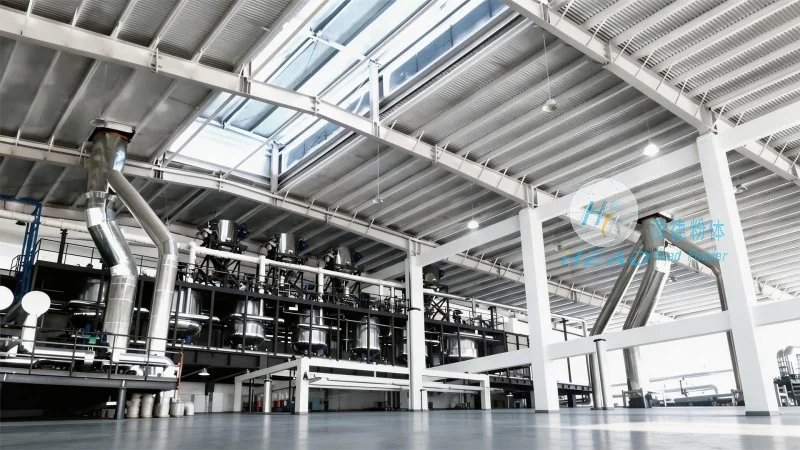
Conclusion and Recommendations
In conclusion, pneumatic conveying is an excellent choice for transporting acrylic ester rubber due to its efficiency, versatility, and ability to maintain material quality. When selecting a pneumatic conveying system, it is essential to consider the material's properties, production requirements, and system design. Working with a reputable supplier, such as Shandong HeadPowder Engineering Co., Ltd., can ensure that the system is properly designed and installed to meet the specific needs of the application. By implementing an effective pneumatic conveying system, industries can improve their material handling processes, reduce costs, and enhance product quality.

 Công ty TNHH Kỹ thuật Công trình Bột Hải Đức Sơn Đông
 156-6277-7102(Quản lý Trương)
  0531-83386006
  Quận Chương Khâu, Thành phố Tế Nam, Tỉnh Sơn Đông, Trung Quốc
Điện thoại
WeChatTư vấn
Lên đầu