Công ty Hải Đức Bột với hơn 10 năm kinh nghiệm vận chuyển khí, cung cấp hệ thống‑thiết bị‑quạt gió và nhận dự án tổng thầu bột cả nước
Thermoplastic polyurethane (TPU) is a versatile material widely used in various industrial applications due to its excellent mechanical properties, flexibility, and resistance to abrasion and chemicals. When it comes to transporting TPU powders or granules, selecting the right conveying method is crucial for maintaining product quality, efficiency, and safety. This article explores the primary conveying methods for thermoplastic polyurethane, with a focus on the advantages and features of air-driven (pneumatic) conveying systems.
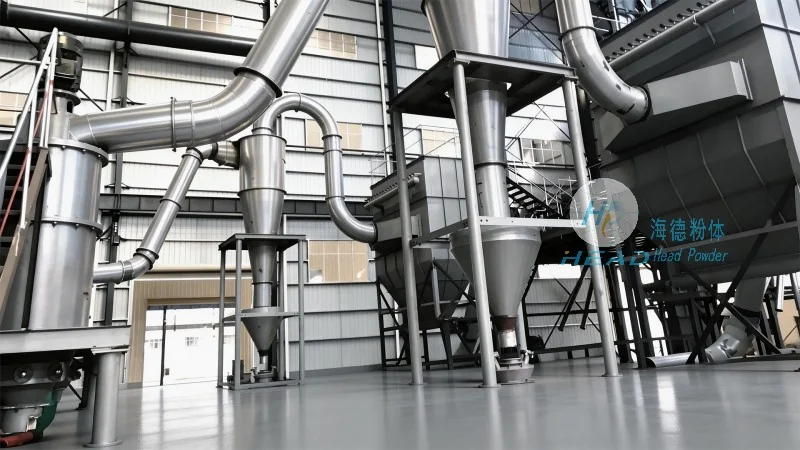
Introduction to Thermoplastic Polyurethane Conveying
Thermoplastic polyurethane is often processed in powder or granular form, requiring efficient and reliable transport from storage silos to processing equipment such as mixers, extruders, or injection molding machines. Conventional methods like belt conveyors or screw conveyors may not be suitable for TPU due to its fine particle size, which can lead to dust accumulation, material degradation, or inefficient flow. Air-driven conveying systems offer a superior alternative by utilizing compressed air to move materials in a closed or open pipeline, minimizing product exposure to external contaminants and ensuring consistent flow rates.
Key Conveying Methods for Thermoplastic Polyurethane
Several conveying methods are available for thermoplastic polyurethane, each with its own advantages and limitations. The most common approaches include:
Air-Driven (Pneumatic) Conveying: This method uses compressed air to create a flow of material through a pipeline. It is particularly effective for fine powders and granules, as it can handle high volumes with minimal pressure loss. Air-driven systems are also gentle on the material, reducing the risk of particle degradation or agglomeration.
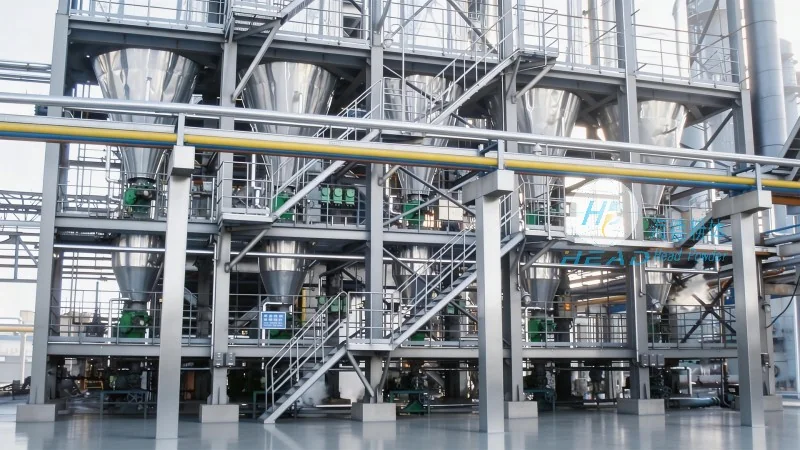
Screw Conveyors: Screw conveyors use a rotating screw to move material along a trough. While suitable for bulk materials, they may not be ideal for TPU due to the potential for friction and heat generation, which can affect the material's properties.
Belt Conveyors: Belt conveyors transport material on a moving belt, often used in open or semi-open systems. However, they are less effective for fine powders and may lead to dust dispersion, making them less suitable for TPU applications.
The Advantages of Air-Driven Conveying for Thermoplastic Polyurethane
Air-driven (pneumatic) conveying is widely regarded as the most effective method for transporting thermoplastic polyurethane, especially in high-purity applications. The key advantages include:
Minimal Product Contamination: Air-driven systems operate in a closed or semi-closed environment, preventing the material from coming into contact with external contaminants such as moisture, dust, or foreign particles. This is critical for maintaining the quality and consistency of TPU, which is often used in food, medical, or automotive applications where purity is paramount.
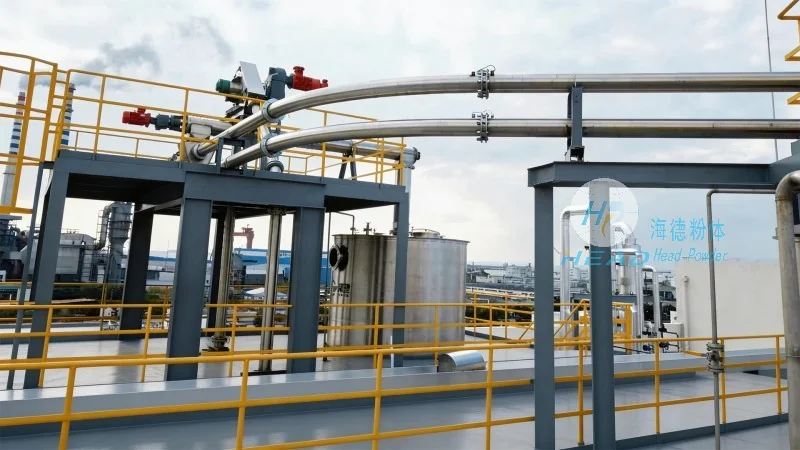
Efficient and Gentle Handling: The use of compressed air ensures that the material is moved gently, reducing the risk of particle breakage or agglomeration. This is particularly important for TPU, which can be sensitive to mechanical stress that may alter its mechanical properties.
High Throughput and Low Pressure Loss: Air-driven systems can handle high material volumes with minimal pressure drop, making them suitable for long-distance transport. This efficiency reduces energy consumption and operational costs compared to other methods.
Flexibility and Scalability: Pneumatic conveying systems can be easily adjusted to accommodate varying material flow rates and can be scaled up or down to meet the needs of different production capacities. This flexibility makes them adaptable to changing production requirements.
Features of Air-Driven Conveying Systems for Thermoplastic Polyurethane
Modern air-driven conveying systems for thermoplastic polyurethane are equipped with several features that enhance performance and reliability. These include:
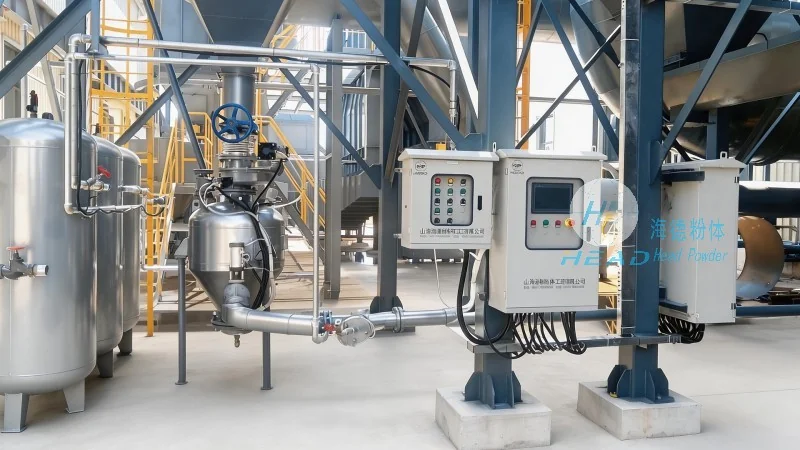
Positive Displacement Blowers: These blowers provide consistent air pressure and flow, ensuring stable material transport. They are designed to handle fine powders without clogging or loss of efficiency.
Filter and Separator Systems: To maintain product purity, air-driven systems often include filters and separators that remove dust and moisture from the air stream. This prevents contamination of the TPU and extends the life of the system components.
Control and Monitoring Systems: Advanced control systems allow operators to monitor and adjust the conveying process in real-time, ensuring optimal performance and preventing issues such as overloading or pressure fluctuations.
Material-Specific Design: Conveying systems are often customized to the specific properties of thermoplastic polyurethane, including particle size, density, and flow characteristics. This ensures that the system is optimized for the material being transported.
Conclusion and Recommendations
When selecting a conveying method for thermoplastic polyurethane, air-driven (pneumatic) conveying is often the preferred choice due to its ability to maintain product quality, efficiency, and safety. The advantages of minimal contamination, gentle handling, and high throughput make it ideal for applications where the material's properties must be preserved. Companies like Shandong HeadPowder Engineering Co., Ltd., based in Shandong, China, specialize in designing and manufacturing customized air-driven conveying systems tailored to the specific needs of TPU manufacturers. By investing in the right conveying technology, TPU producers can enhance their operational efficiency, reduce costs, and ensure consistent product quality.

 Công ty TNHH Kỹ thuật Công trình Bột Hải Đức Sơn Đông
 156-6277-7102(Quản lý Trương)
  0531-83386006
  Quận Chương Khâu, Thành phố Tế Nam, Tỉnh Sơn Đông, Trung Quốc
Điện thoại
WeChatTư vấn
Lên đầu