Công ty Hải Đức Bột với hơn 10 năm kinh nghiệm vận chuyển khí, cung cấp hệ thống‑thiết bị‑quạt gió và nhận dự án tổng thầu bột cả nước
Aluminum dross, a byproduct of aluminum smelting and processing, requires efficient and reliable conveying systems to manage its movement within industrial facilities. The choice of conveying method significantly impacts operational efficiency, safety, and cost-effectiveness. This article explores common aluminum dross conveying methods, with a particular focus on the advantages and applications of pneumatic conveying systems.

Introduction to Aluminum Dross Conveying
Aluminum dross, often referred to as aluminum slag, is a solid waste material generated during the production of aluminum. It typically contains a mixture of aluminum, oxides, and other impurities. Proper handling and transportation of aluminum dross are critical for maintaining the cleanliness of production lines and ensuring the recovery of valuable aluminum content. Conveying systems must be designed to handle the abrasive and potentially hazardous nature of aluminum dross while minimizing material loss and environmental impact.
Shandong HeadPowder Engineering Co., Ltd. Overview
Shandong HeadPowder Engineering Co., Ltd., a leading provider of material handling solutions, specializes in the design, manufacturing, and installation of advanced conveying systems for industrial applications. With a focus on innovation and customer-centric solutions, the company has established itself as a trusted partner in the aluminum processing industry. HeadPowder's expertise in aluminum dross handling ensures that clients receive tailored solutions that meet their specific operational requirements. The company is based in Shandong, China, and serves a global clientele with high-quality equipment and technical support.
Common Aluminum Dross Conveying Methods
Several methods are employed for aluminum dross transportation, each with distinct characteristics and suitability for different operational scenarios. The primary options include mechanical conveying systems, such as belt conveyors and screw conveyors, and pneumatic conveying systems. Each method has its advantages and limitations, which are discussed below.
Mechanical Conveying Systems
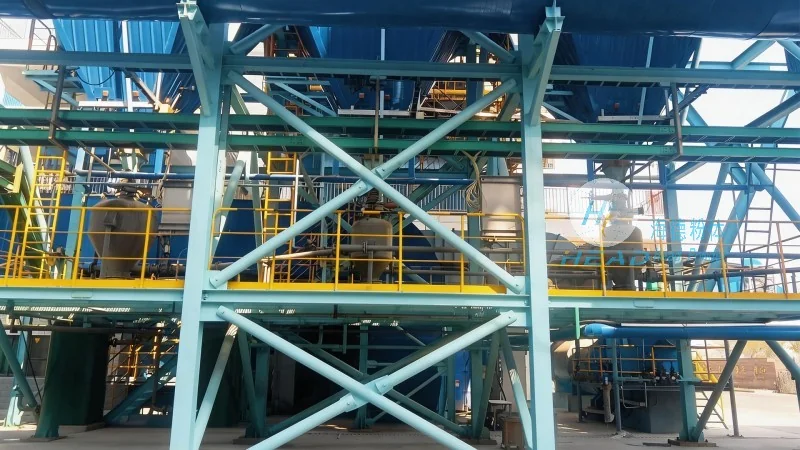
Mechanical conveying systems are widely used in aluminum dross handling due to their simplicity and reliability. Belt conveyors, for instance, are effective for transporting aluminum dross over short to medium distances. They are capable of handling large volumes of material and can be integrated with other processing equipment. However, belt conveyors may face challenges with abrasive materials like aluminum dross, leading to increased wear and maintenance costs. Screw conveyors, also known as auger conveyors, are another common mechanical option. These systems use a rotating screw to move material along a tube or trough. Screw conveyors are suitable for horizontal or slightly inclined applications and can handle a variety of bulk materials, including aluminum dross. Despite their effectiveness, screw conveyors may not be ideal for handling highly abrasive or sticky dross, as they can experience blockages and increased wear.
Pneumatic Conveying Systems
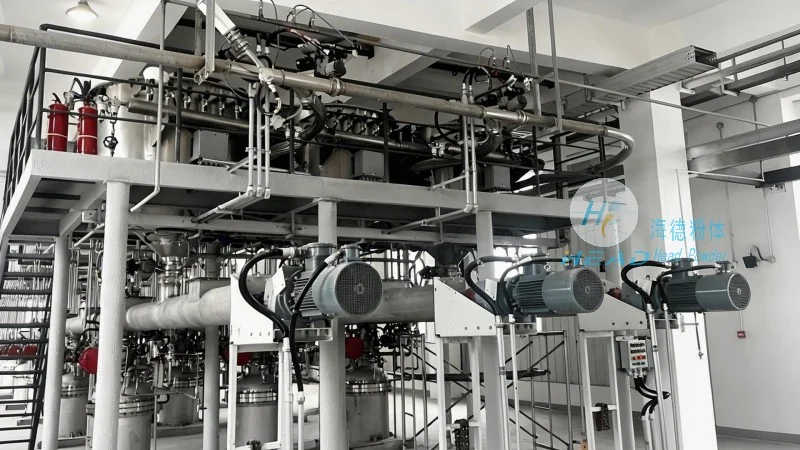
Pneumatic conveying, or air-based conveying, is a highly efficient method for aluminum dross transportation. This system uses compressed air to transport material through a pipeline. There are two main types of pneumatic conveying: pressure and vacuum systems. Pressure systems use positive pressure to push material through the pipeline, while vacuum systems use negative pressure to pull material. Pneumatic conveying offers several advantages over mechanical systems, including the ability to transport material over long distances, vertical and horizontal movement, and reduced material degradation. It also minimizes the risk of dust exposure and contamination, which is crucial for maintaining a safe working environment. Pneumatic systems are particularly effective for handling fine or powdery aluminum dross, as they can maintain consistent flow rates and prevent material segregation.
Advantages of Pneumatic Conveying for Aluminum Dross
The adoption of pneumatic conveying systems for aluminum dross offers numerous benefits that enhance operational performance. One of the key advantages is the ability to transport material over long distances without the need for multiple transfer points. This reduces the complexity of the conveying system and minimizes the risk of material spillage or loss. Pneumatic systems also provide better control over material flow, allowing for precise regulation of the conveying rate. This is particularly important for processes that require consistent material input, such as dross treatment and recycling. Additionally, pneumatic conveying reduces labor costs associated with manual handling and handling of heavy equipment. The system is automated, requiring minimal human intervention, which improves safety and operational efficiency.
Considerations for Selecting a Conveying System
When selecting a conveying system for aluminum dross, several factors must be considered to ensure optimal performance and cost-effectiveness. The first consideration is the distance and layout of the facility. For short distances, mechanical systems like belt or screw conveyors may be sufficient. However, for longer distances or complex layouts, pneumatic conveying is often the preferred choice. The material characteristics of the aluminum dross, including its particle size, moisture content, and abrasiveness, also play a critical role in system selection. Highly abrasive or sticky dross may require specialized equipment, such as high-capacity pneumatic systems or reinforced mechanical conveyors. The budget and maintenance requirements are also important factors. While pneumatic systems may have higher initial costs, they offer long-term savings through reduced maintenance and increased efficiency. The overall production requirements, including throughput and reliability, should also be evaluated to determine the most suitable conveying method.
Conclusion
In conclusion, the choice of aluminum dross conveying method significantly impacts the efficiency and safety of aluminum processing operations. Mechanical systems like belt and screw conveyors are reliable for short-distance applications but may face challenges with abrasive materials. Pneumatic conveying systems, particularly pressure and vacuum systems, offer superior performance for long-distance and complex layouts, with advantages such as reduced material degradation, better flow control, and enhanced safety. Shandong HeadPowder Engineering Co., Ltd. provides comprehensive solutions for aluminum dross handling, including the design and implementation of advanced pneumatic conveying systems tailored to specific operational needs. By selecting the appropriate conveying method, aluminum processing facilities can improve operational efficiency, reduce costs, and ensure a safe working environment.

 Công ty TNHH Kỹ thuật Công trình Bột Hải Đức Sơn Đông
 156-6277-7102(Quản lý Trương)
  0531-83386006
  Quận Chương Khâu, Thành phố Tế Nam, Tỉnh Sơn Đông, Trung Quốc
Điện thoại
WeChatTư vấn
Lên đầu