Công ty Hải Đức Bột với hơn 10 năm kinh nghiệm vận chuyển khí, cung cấp hệ thống‑thiết bị‑quạt gió và nhận dự án tổng thầu bột cả nước
Arseic trioxide, also known as arsenic(III) oxide, is a critical chemical compound widely used in various industrial applications, including pharmaceuticals, glass manufacturing, and metal processing. The safe and efficient transportation of this substance is paramount due to its toxic nature and regulatory requirements. This article provides a detailed comparison of common transportation methods for arsenic trioxide, highlighting their respective advantages and disadvantages, with a focus on practical considerations for industrial users.
Shandong HeadPowder Engineering Co., Ltd., a leading provider in the field, emphasizes the importance of selecting the most suitable transportation method based on operational needs, safety protocols, and cost-effectiveness. The company’s expertise in handling hazardous materials ensures that clients receive tailored solutions aligned with industry standards and compliance regulations.
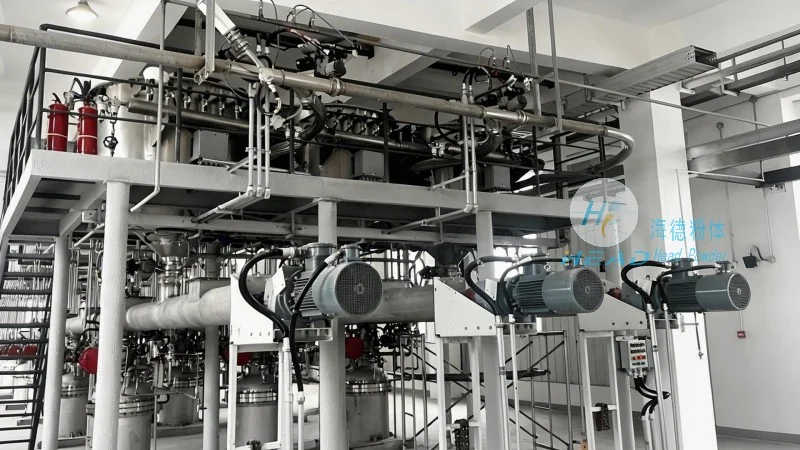
Common Transportation Methods for Arsenic Trioxide
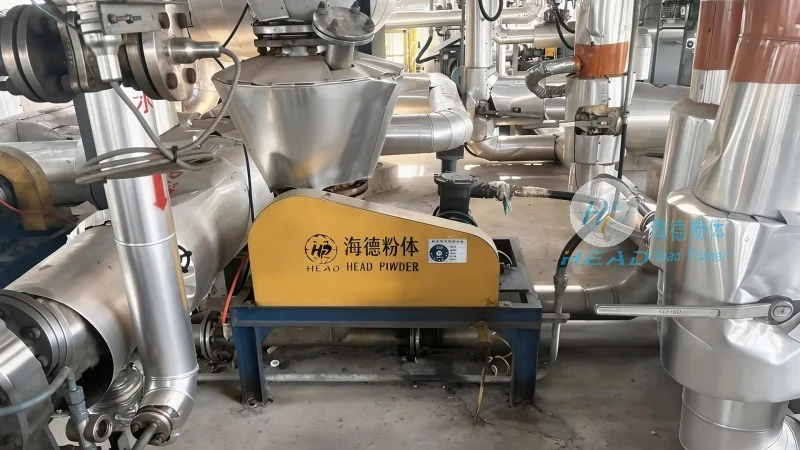
Several methods are commonly employed for transporting arsenic trioxide, each with distinct characteristics that influence their suitability for different scenarios. The primary options include piping systems, containerized transport, and tank truck delivery. Each method has its own set of advantages and drawbacks, which are discussed below to assist in decision-making.
1. Piping Systems: Advantages and Challenges
Piping systems are widely used for the internal transportation of arsenic trioxide within industrial facilities. This method offers several benefits, such as continuous flow, reduced exposure to personnel, and lower risk of spillage compared to manual handling. The closed-loop design minimizes the risk of contamination and ensures compliance with environmental regulations. However, piping systems require significant upfront investment in infrastructure, including specialized materials resistant to corrosion and chemical attack. Maintenance and repair can also be costly, as any breach in the system may lead to hazardous leaks. Additionally, scaling or clogging issues may arise if the system is not properly maintained, potentially disrupting production.
2. Containerized Transport: Flexibility and Safety
Containerized transport involves shipping arsenic trioxide in sealed containers, such as ISO tanks or specialized drums. This method provides flexibility for both bulk and smaller quantities, making it suitable for both long-distance and local deliveries. The sealed containers prevent exposure to the environment and reduce the risk of accidental spills during transit. However, containerized transport may be less cost-effective for high-volume, continuous operations compared to dedicated piping systems. The handling of containers also requires specialized equipment and trained personnel to ensure safe loading, unloading, and storage. Furthermore, the weight and size of containers can limit the frequency of deliveries, potentially affecting supply chain reliability.
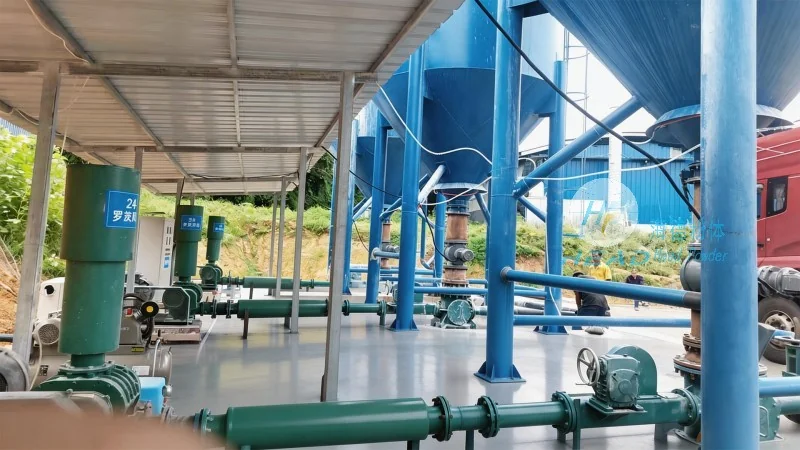
3. Tank Truck Transport: Bulk and Rapid Delivery
Tank truck transport is commonly used for large-scale, bulk transportation of arsenic trioxide. This method allows for rapid delivery of substantial quantities, making it ideal for industries with high demand or emergency needs. The tank trucks are equipped with specialized materials and safety features, such as pressure relief valves and leak detection systems, to mitigate risks during transit. However, tank truck transport may involve higher operational costs due to fuel consumption and driver expenses. The risk of accidents, including collisions or spills, is also higher compared to containerized transport, as the vehicles are exposed to road conditions and traffic. Additionally, regulatory compliance for tank truck operations is stringent, requiring regular inspections and adherence to safety protocols.
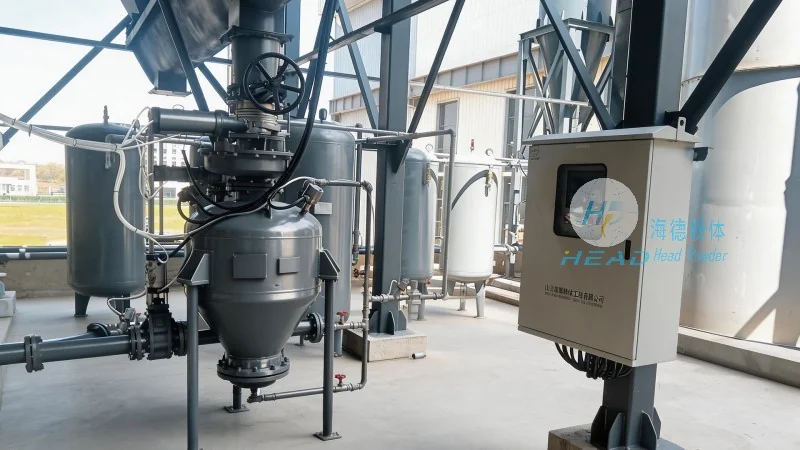
Conclusion: Selecting the Right Transportation Method
Choosing the appropriate transportation method for arsenic trioxide depends on a variety of factors, including the scale of operation, budget constraints, and safety requirements. Piping systems are best suited for continuous, internal use within facilities, while containerized and tank truck transport are more appropriate for external deliveries or bulk requirements. Shandong HeadPowder Engineering Co., Ltd. offers comprehensive solutions, including consultation services and customized transportation systems, to help clients optimize their arsenic trioxide handling processes. By understanding the advantages and disadvantages of each method, industrial users can make informed decisions that enhance efficiency, safety, and compliance.

 Công ty TNHH Kỹ thuật Công trình Bột Hải Đức Sơn Đông
 156-6277-7102(Quản lý Trương)
  0531-83386006
  Quận Chương Khâu, Thành phố Tế Nam, Tỉnh Sơn Đông, Trung Quốc
Điện thoại
WeChatTư vấn
Lên đầu