Công ty Hải Đức Bột với hơn 10 năm kinh nghiệm vận chuyển khí, cung cấp hệ thống‑thiết bị‑quạt gió và nhận dự án tổng thầu bột cả nước
Barium sulfate precipitate, a critical component in industries such as coatings, inks, and medical imaging, demands efficient and reliable transport solutions to support smooth production workflows. Shandong HeadPowder Engineering Co., Ltd., a leading enterprise based in Shandong, China, specializes in high-quality barium sulfate products and related engineering solutions. This article provides a comprehensive comparison of common conveying methods for barium sulfate precipitate, outlining their respective advantages and disadvantages to assist industries in selecting the most appropriate option for their operational needs.
Overview of Barium Sulfate Precipitate and Conveying Challenges
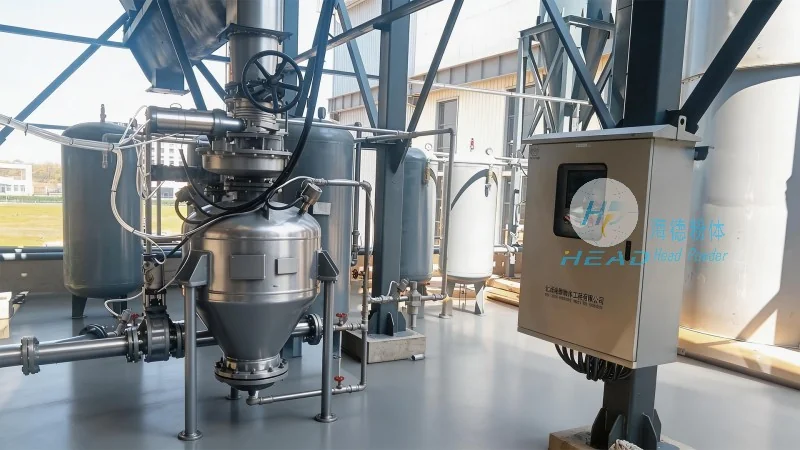
Barium sulfate precipitate is characterized by its fine particle size, high density, and abrasive nature. Conveying such materials presents unique challenges, including the risk of clogging, equipment wear, and material segregation. Effective conveying systems must balance efficiency, cost-effectiveness, and durability to ensure continuous production without interruptions.
Common Conveying Methods for Barium Sulfate Precipitate
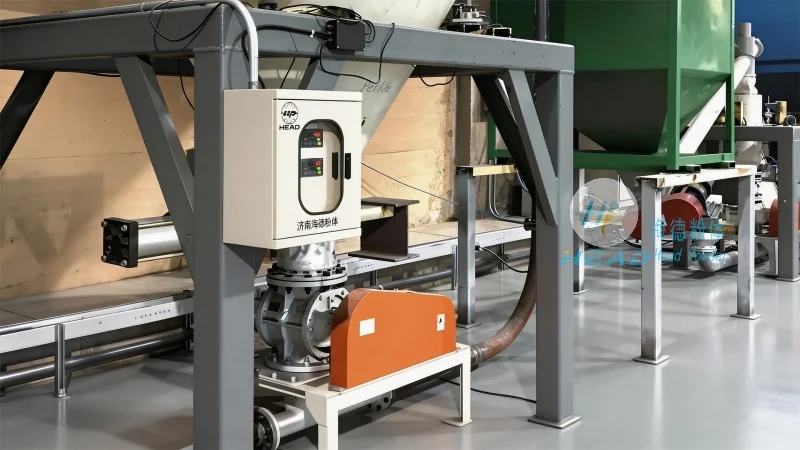
Several methods are widely used for transporting barium sulfate precipitate, each with distinct operational characteristics. The primary options include pump systems, screw conveyors, and pneumatic (air) conveying systems. Each method has specific strengths and limitations, making it essential to evaluate them based on individual production requirements.
Pump Systems: Advantages and Disadvantages
Centrifugal pump systems are commonly employed for barium sulfate precipitate transport due to their ability to handle high-viscosity slurries. These pumps maintain consistent flow rates, facilitating steady material movement through pipelines. A key advantage is their suitability for long-distance transport and seamless integration with existing processing lines. However, pump systems face challenges with abrasive particles, leading to accelerated wear on pump components. Regular maintenance and component replacement are necessary to prevent breakdowns and sustain efficiency.
Screw Conveyors: Advantages and Disadvantages
Screw conveyors, or auger conveyors, utilize a rotating screw to move material along a trough, offering a continuous and controlled flow. These systems are relatively simple in design, simplifying installation and maintenance. They are particularly effective for horizontal or slightly inclined transport, reducing the risk of material segregation. The main drawback is their limited capacity for very fine or highly abrasive powders, as the screw and trough can become clogged easily. Additionally, screw conveyors are not ideal for vertical lifting due to the risk of material bridging or sticking.
Pneumatic Conveying Systems: Advantages and Disadvantages
Pneumatic conveying systems use air or other gases to transport barium sulfate precipitate through a pipeline. This method is well-suited for fine powders and can achieve high transport speeds. A significant advantage is the ability to cover long distances without intermediate transfer points, enhancing system flexibility. However, pneumatic systems require higher energy input compared to mechanical conveyors, increasing operational costs. Furthermore, the risk of dust explosions in certain environments necessitates robust explosion-proof measures and strict material handling protocols.
Factors Influencing Conveying Method Selection
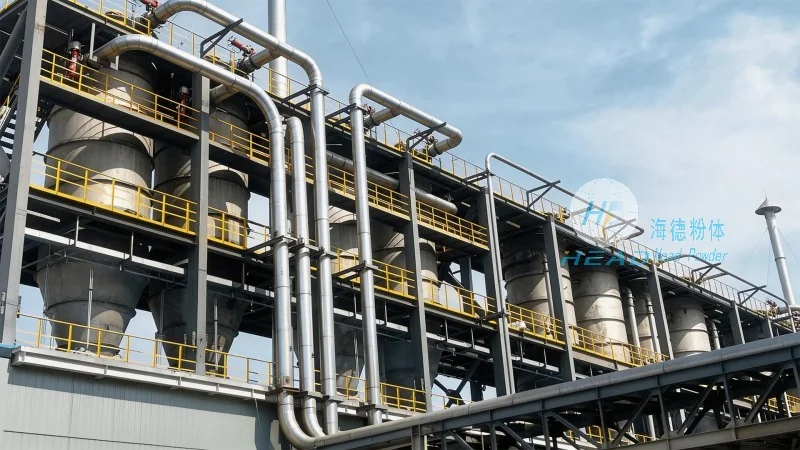
When choosing a conveying method for barium sulfate precipitate, several critical factors must be considered. The material's physical properties—such as particle size, density, and abrasiveness—are paramount. For instance, highly abrasive materials may demand more durable pump or conveyor designs to minimize wear. The distance and layout of the conveying system also play a role, as different methods excel in short or long-distance applications. Cost is another key consideration, as initial investments and ongoing maintenance expenses vary substantially between pump, screw, and pneumatic systems. Finally, production scale and the need for continuous operation influence the choice, with some systems better suited for high-volume, round-the-clock operations.
Conclusion
Selecting the appropriate conveying method for barium sulfate precipitate is vital for optimizing production efficiency and minimizing operational costs. Shandong HeadPowder Engineering Co., Ltd. offers tailored solutions that align with the specific characteristics of barium sulfate precipitate and the operational requirements of industries. By understanding the strengths and limitations of each conveying method, manufacturers can make informed decisions that enhance productivity and prolong the lifespan of their transport systems.

 Công ty TNHH Kỹ thuật Công trình Bột Hải Đức Sơn Đông
 156-6277-7102(Quản lý Trương)
  0531-83386006
  Quận Chương Khâu, Thành phố Tế Nam, Tỉnh Sơn Đông, Trung Quốc
Điện thoại
WeChatTư vấn
Lên đầu