Công ty Hải Đức Bột với hơn 10 năm kinh nghiệm vận chuyển khí, cung cấp hệ thống‑thiết bị‑quạt gió và nhận dự án tổng thầu bột cả nước
When it comes to the delivery of dry desulfurizers in industrial applications, selecting the right method is crucial for ensuring efficiency, safety, and cost-effectiveness. Various delivery systems are available, each with its own set of advantages and disadvantages. This article provides a detailed comparison of common dry desulfurizer delivery methods, helping industrial operators make informed decisions based on their specific operational needs.
Introduction to Dry Desulfurizer Delivery Systems
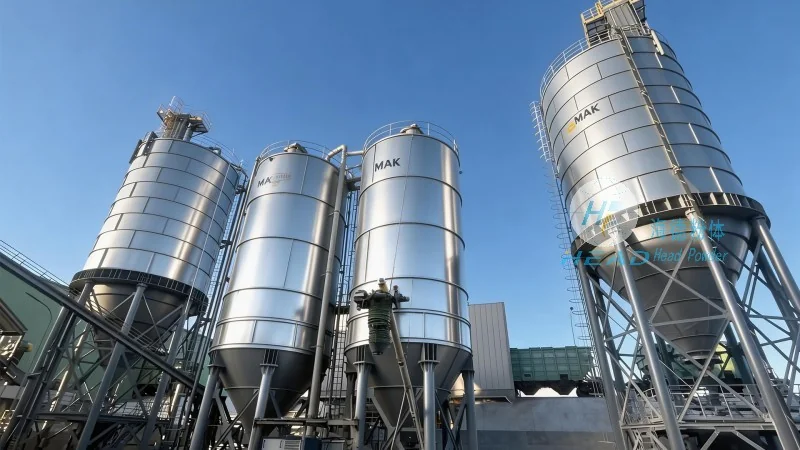
Dry desulfurizers are essential components in processes that aim to reduce sulfur dioxide emissions, often used in power plants, chemical manufacturing, and other industrial facilities. The effectiveness of these systems heavily relies on the reliable and efficient transport of the desulfurizer material from storage to the point of use. Different delivery methods have been developed to address the unique challenges of handling dry, often fine-grained, desulfurizer powders. Understanding the pros and cons of each method is vital for optimizing system performance and minimizing operational issues.
Company Overview: Shandong HeadPowder Engineering Co., Ltd.
Shandong HeadPowder Engineering Co., Ltd., based in Shandong, China, is a leading provider of specialized engineering solutions for powder handling and delivery systems. With years of experience in the industry, the company specializes in designing and manufacturing equipment tailored to the demands of dry desulfurizer applications. Their expertise in material handling technology ensures that clients receive reliable and efficient solutions that meet stringent industrial standards. The company's commitment to quality and innovation has made it a trusted partner for businesses seeking to enhance their desulfurization processes.
1. Screw Conveyors: Traditional and Reliable Delivery
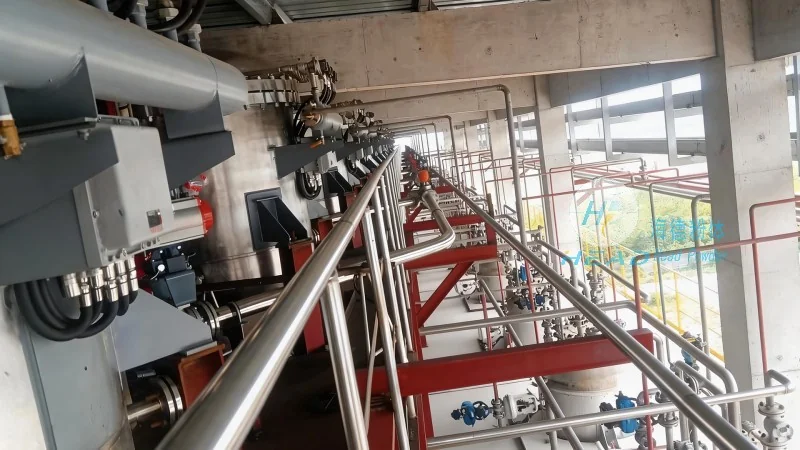
Screw conveyors are one of the most common and traditional methods for transporting dry desulfurizers. These systems consist of a rotating screw (or auger) enclosed in a trough, which moves material along the length of the conveyor. The primary advantage of screw conveyors is their simplicity and reliability. They are relatively low-cost to install and maintain, making them an attractive option for many industrial applications. Additionally, screw conveyors can handle a wide range of materials, including fine powders, without the need for additional equipment. However, their limitations become apparent when dealing with very fine or cohesive desulfurizer powders, as these materials may stick to the screw or the trough walls, leading to reduced efficiency and potential blockages. Another drawback is their limited vertical lifting capability, which restricts their use in applications requiring significant elevation changes.
2. Pneumatic Conveying Systems: High-Volume and Flexible Transport
Pneumatic conveying systems use air or other gases to transport dry desulfurizer materials through a pipeline network. These systems are highly versatile and can handle a wide variety of materials, including fine powders and granules. One of the key advantages of pneumatic conveying is its ability to transport materials over long distances and at high speeds, making it suitable for large-scale industrial operations. The system can also be designed to handle vertical and horizontal transport simultaneously, providing flexibility in layout planning. Additionally, pneumatic conveyors can be integrated with other process equipment, such as reactors or reactors, to create a seamless material flow. However, pneumatic conveying systems require significant energy input to generate the necessary air pressure, which increases operational costs. Furthermore, the system is susceptible to pressure drops and blockages, especially with fine powders that tend to agglomerate. Maintenance of the air filtration and compression equipment is also essential to ensure consistent performance.
3. Pumping Systems: Efficient for Liquid or Slurry Mixtures
While primarily used for liquid or slurry-based desulfurization processes, pumping systems can also be adapted for certain dry desulfurizer applications, particularly when the material is mixed with a liquid to form a slurry. These systems utilize pumps, such as centrifugal or positive displacement pumps, to transport the slurry through pipelines. The main advantage of pumping systems is their high efficiency in moving large volumes of material over long distances with minimal pressure loss. They are particularly effective in applications where the desulfurizer needs to be mixed with a liquid to enhance its reactivity or to facilitate transport. However, pumping systems are not suitable for purely dry powders, as the pump components can be prone to wear and clogging from fine particles. Additionally, the system requires careful control of the liquid-to-powder ratio to prevent settling or separation during transport. The initial investment and maintenance costs for pumping systems are also higher compared to other delivery methods.
4. Belt Conveyors: High-Capacity and Continuous Transport
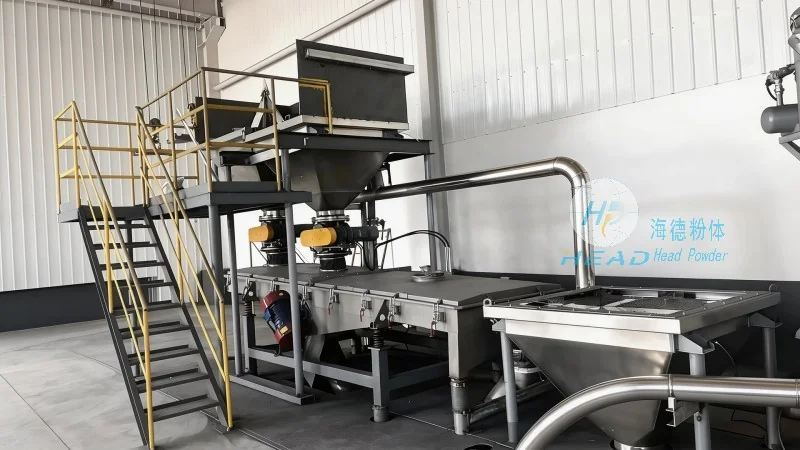
Belt conveyors are another common method for transporting dry desulfurizers, especially in applications requiring high material throughput. These systems consist of a continuous belt that moves material along a path, often supported by rollers or idlers. The primary advantage of belt conveyors is their high capacity and ability to transport large volumes of material continuously. They are particularly effective for horizontal or slightly inclined transport, making them suitable for long-distance applications. Belt conveyors are also relatively simple to operate and maintain, with minimal moving parts compared to other systems. However, their limitations include the need for a level or gently sloped surface, which restricts their use in applications requiring vertical transport. Additionally, belt conveyors are susceptible to material buildup and wear, especially with abrasive desulfurizer powders, which can lead to increased maintenance costs and reduced lifespan. The system also requires regular cleaning and inspection to prevent material contamination and ensure smooth operation.
5. Hydraulic Conveying: Advanced and Precise Delivery
Hydraulic conveying systems use hydraulic pressure to transport dry desulfurizer materials through a closed pipeline system. These systems are highly advanced and offer precise control over the material flow rate and pressure. The main advantage of hydraulic conveying is its ability to handle very fine or abrasive powders without causing significant wear or blockages. The system can also be designed to transport materials over long distances with minimal pressure loss, making it suitable for large-scale industrial operations. Additionally, hydraulic conveyors can be integrated with automated control systems, allowing for real-time monitoring and adjustment of the material flow. However, hydraulic conveying systems require specialized equipment and expertise to install and maintain, which increases the initial investment cost. The system is also susceptible to leaks and pressure fluctuations, which can affect the consistency of material delivery. Regular maintenance of the hydraulic components is essential to ensure reliable performance.
Conclusion: Choosing the Right Delivery Method
When selecting a dry desulfurizer delivery method, industrial operators must consider several factors, including the material characteristics, required throughput, distance of transport, and operational budget. Each method has its own strengths and weaknesses, and the optimal choice depends on the specific requirements of the application. For example, screw conveyors may be suitable for small-scale or low-cost applications, while pneumatic or hydraulic systems are better suited for large-scale operations requiring high efficiency and flexibility. It is also important to consider the long-term maintenance and operational costs associated with each system to ensure overall cost-effectiveness. By carefully evaluating these factors and consulting with experts like Shandong HeadPowder Engineering Co., Ltd., industrial operators can select the most appropriate delivery method to enhance the performance and reliability of their dry desulfurization processes.

 Công ty TNHH Kỹ thuật Công trình Bột Hải Đức Sơn Đông
 156-6277-7102(Quản lý Trương)
  0531-83386006
  Quận Chương Khâu, Thành phố Tế Nam, Tỉnh Sơn Đông, Trung Quốc
Điện thoại
WeChatTư vấn
Lên đầu