Công ty Hải Đức Bột với hơn 10 năm kinh nghiệm vận chuyển khí, cung cấp hệ thống‑thiết bị‑quạt gió và nhận dự án tổng thầu bột cả nước
When it comes to handling PTFE (Polytrifluorochloroethylene), selecting the right conveying method is crucial for ensuring efficiency, safety, and material integrity. Shandong HeadPowder Engineering Co., Ltd., a leading manufacturer based in China, specializes in providing solutions for various industrial applications involving PTFE materials. This article provides a detailed comparison of common PTFE conveying methods, highlighting their advantages and disadvantages to help industrial operators make informed decisions.
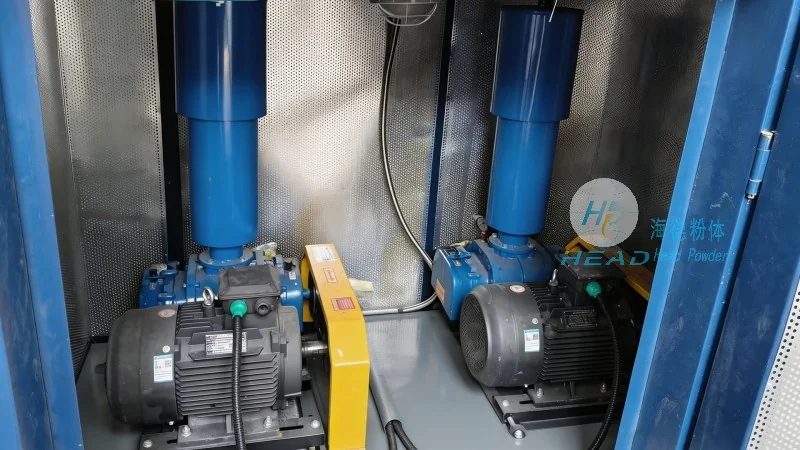
Overview of PTFE Conveying Methods
PTFE is known for its exceptional chemical resistance, low friction, and thermal stability, making it widely used in industries such as chemical processing, pharmaceuticals, and aerospace. However, its unique properties also present challenges when it comes to handling and transporting. Conveying methods for PTFE typically include mechanical pumps, pneumatic systems, and vacuum-assisted transport. Each method has its own set of advantages and limitations, which are discussed below.
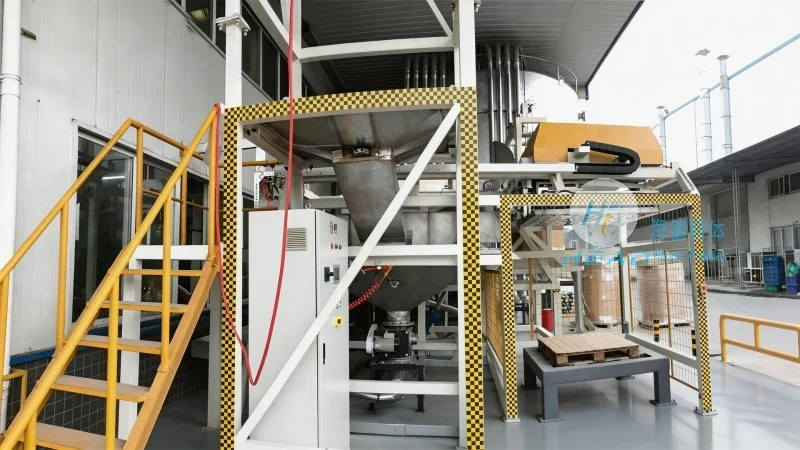
1. Mechanical Pump Conveying
Mechanical pumps, such as rotary lobe pumps or positive displacement pumps, are commonly used for PTFE conveying. These pumps are designed to handle abrasive and non-lubricating materials, which aligns well with PTFE's characteristics. One of the key advantages of mechanical pumps is their ability to maintain a consistent flow rate, ensuring stable material transport. Additionally, they can handle PTFE powders and granules without causing excessive wear or degradation. However, mechanical pumps may require regular maintenance to prevent clogging and ensure optimal performance. They are also generally more expensive to install and operate compared to other methods.
2. Pneumatic Conveying Systems
Pneumatic conveying systems use compressed air to transport PTFE materials through a pipeline. This method is particularly suitable for handling fine powders and granules, as it minimizes material contact with equipment surfaces. The primary advantage of pneumatic conveying is its ability to transport PTFE over long distances with minimal pressure loss. It also allows for easy integration with existing industrial setups. However, pneumatic systems may not be suitable for very fine PTFE powders, as they can lead to high pressure drops and increased energy consumption. Additionally, they require careful control of air pressure and flow rates to prevent material degradation or clogging.
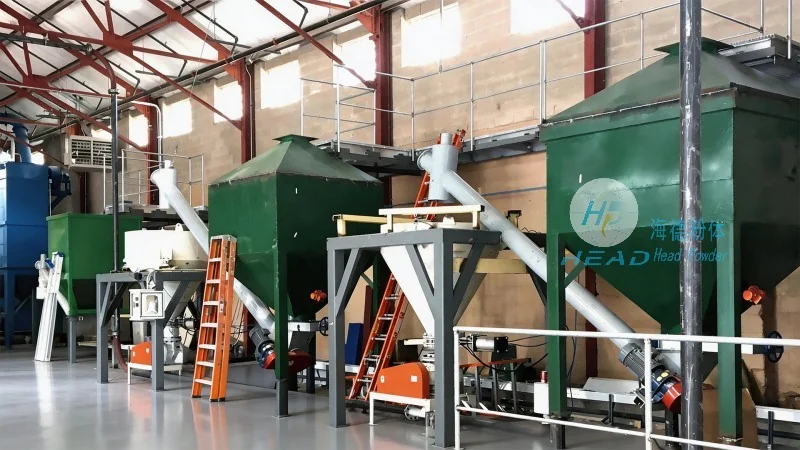
3. Vacuum-Assisted Conveying
Vacuum-assisted conveying uses a vacuum pump to draw PTFE materials into a collection system. This method is often used for handling PTFE powders that are difficult to transport by other means. The main advantage of vacuum-assisted systems is their ability to handle fine powders without the need for high air velocities, reducing the risk of material degradation. They also provide a more controlled and gentle transport process, which is beneficial for sensitive PTFE applications. However, vacuum systems may have lower throughput compared to mechanical or pneumatic systems, and they require additional equipment for air filtration and moisture control.
4. Comparison of Conveying Methods
When comparing the different PTFE conveying methods, several factors should be considered, including material type, application requirements, and operational costs. Mechanical pumps offer high efficiency and reliability for bulk PTFE transport but come with higher maintenance and operational costs. Pneumatic systems are ideal for fine powders and long-distance transport but may require more energy and careful control. Vacuum-assisted systems provide a gentle transport process suitable for sensitive materials but have lower throughput. Shandong HeadPowder Engineering Co., Ltd. recommends evaluating these factors to select the most appropriate conveying method for specific industrial needs.

 Công ty TNHH Kỹ thuật Công trình Bột Hải Đức Sơn Đông
 156-6277-7102(Quản lý Trương)
  0531-83386006
  Quận Chương Khâu, Thành phố Tế Nam, Tỉnh Sơn Đông, Trung Quốc
Điện thoại
WeChatTư vấn
Lên đầu