Công ty Hải Đức Bột với hơn 10 năm kinh nghiệm vận chuyển khí, cung cấp hệ thống‑thiết bị‑quạt gió và nhận dự án tổng thầu bột cả nước
Fine powder handling is a critical aspect of many industrial processes, requiring efficient and reliable methods to transport these materials from one location to another. The choice of conveying system can significantly impact operational efficiency, product quality, and overall cost-effectiveness. In this article, we explore common fine powder conveying methods, with a particular focus on pneumatic conveying systems, which are widely used for their versatility and effectiveness in handling fine powders.
Understanding Fine Powder Properties and Conveying Challenges
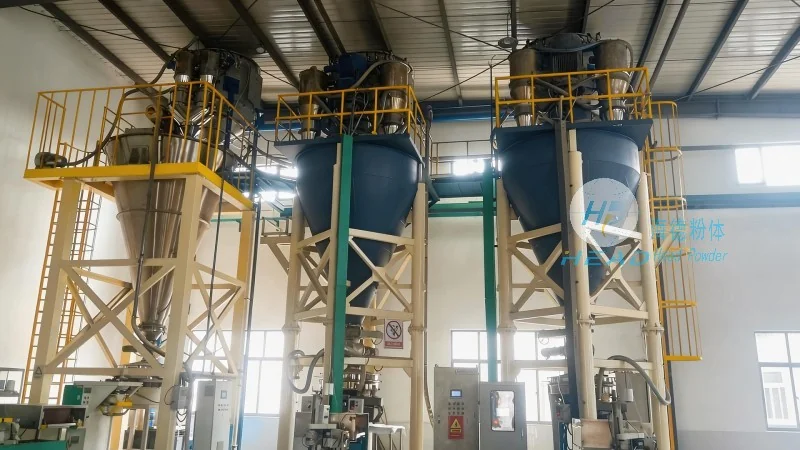
Before delving into specific conveying methods, it's essential to understand the unique characteristics of fine powders. These materials often have high surface area, low bulk density, and can be prone to caking or agglomeration. Additionally, fine powders can be abrasive and may generate dust, posing challenges for material handling equipment. These properties necessitate specialized conveying solutions that can maintain material integrity while ensuring safe and efficient transport.
Common Fine Powder Conveying Methods
Several methods are employed for fine powder transport, each with its own advantages and limitations. The primary categories include mechanical conveying systems, such as screw conveyors and belt conveyors, and pneumatic conveying systems. Mechanical systems are often suitable for bulk materials with larger particle sizes, while pneumatic systems are particularly effective for fine powders due to their ability to handle low to moderate flow rates and maintain material separation.
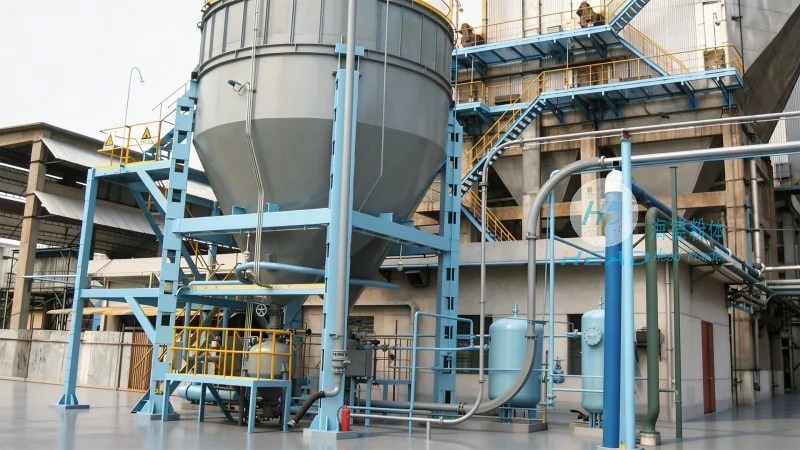
Pneumatic Conveying Systems for Fine Powders
Pneumatic conveying, also known as air conveying, uses compressed air to transport fine powders through a pipeline. This method is highly effective for fine powders because it minimizes material degradation and prevents caking. There are two main types of pneumatic conveying systems: dilute-phase and dense-phase. Dilute-phase systems use low air velocities to transport powders in a dispersed state, while dense-phase systems use higher air velocities to create a slurry-like flow, which is more suitable for longer distances or when handling more abrasive materials.
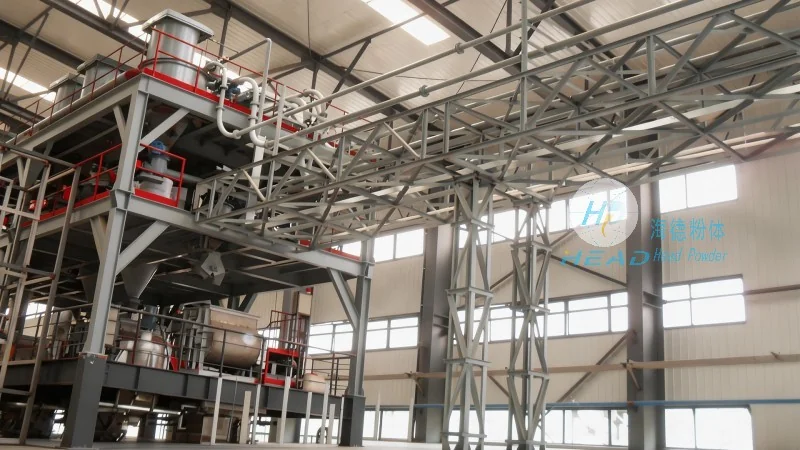
Advantages of Pneumatic Conveying for Fine Powders
HeadPowder, a leading provider of fine powder handling solutions, emphasizes the benefits of pneumatic conveying for fine powders. These advantages include: 1) Reduced material degradation and contamination, as the system operates in a closed environment; 2) Improved product quality by maintaining the integrity of the fine powder; 3) Flexibility in system design, allowing for horizontal, vertical, or mixed conveying configurations; 4) Lower maintenance costs compared to mechanical systems, as there are fewer moving parts in contact with the material. The company's expertise in designing and implementing pneumatic conveying systems ensures that clients receive tailored solutions that meet their specific operational needs.
Applications of Fine Powder Pneumatic Conveying
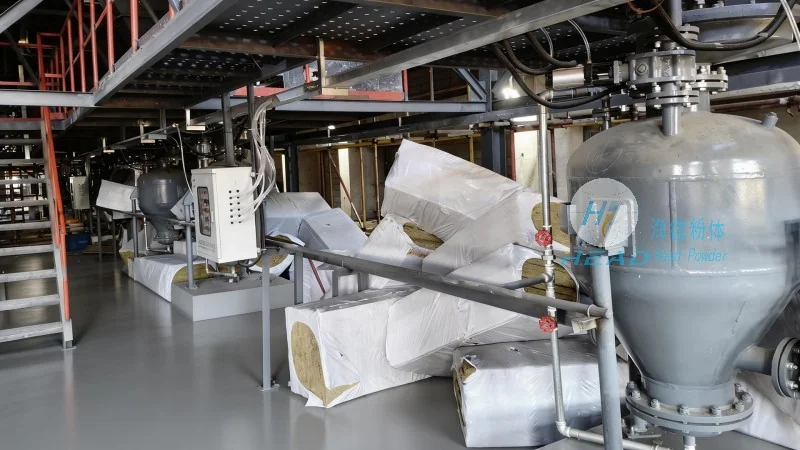
Fine powder pneumatic conveying is widely used in various industries, including pharmaceuticals, food processing, chemicals, and minerals. For example, in the pharmaceutical industry, pneumatic conveying is used to transport active pharmaceutical ingredients (APIs) and excipients, ensuring that the materials remain sterile and free from contamination. In the food industry, it is used to handle powders like sugar, flour, and spices, maintaining their quality and preventing cross-contamination. The versatility of pneumatic conveying makes it suitable for a wide range of applications, from short-distance transport within a facility to long-distance transport between different locations.
Key Considerations for Selecting a Fine Powder Conveying System
When selecting a fine powder conveying system, several factors must be considered to ensure optimal performance. These include the particle size and density of the material, the required conveying distance, the desired flow rate, and the environmental regulations governing the industry. HeadPowder engineers work closely with clients to assess these factors and recommend the most appropriate system. For instance, for materials with high abrasiveness or tendency to clog, a dense-phase pneumatic system may be preferred, while for materials that are sensitive to moisture or contamination, a closed-loop system is recommended.
Conclusion
Fine powder conveying is a complex process that requires careful consideration of material properties and system design. Pneumatic conveying, particularly dense-phase systems, offers significant advantages for handling fine powders, including improved material integrity, reduced contamination, and operational flexibility. HeadPowder Engineering Co., Ltd., based in Shandong, China, specializes in providing customized fine powder conveying solutions that meet the unique needs of industrial clients. By leveraging their expertise in pneumatic conveying systems, HeadPowder helps businesses enhance their operational efficiency and product quality while minimizing costs and risks associated with material handling.

 Công ty TNHH Kỹ thuật Công trình Bột Hải Đức Sơn Đông
 156-6277-7102(Quản lý Trương)
  0531-83386006
  Quận Chương Khâu, Thành phố Tế Nam, Tỉnh Sơn Đông, Trung Quốc
Điện thoại
WeChatTư vấn
Lên đầu