Công ty Hải Đức Bột với hơn 10 năm kinh nghiệm vận chuyển khí, cung cấp hệ thống‑thiết bị‑quạt gió và nhận dự án tổng thầu bột cả nước
For industries dealing with soap pellets, efficient and reliable transportation is crucial to maintain production flow and product quality. As a leading manufacturer in the field, Shandong HeadPowder Engineering Co., Ltd. provides comprehensive solutions for soap pellet handling and transportation. This article explores the various methods used to transport soap pellets, highlighting the key considerations and technologies involved.
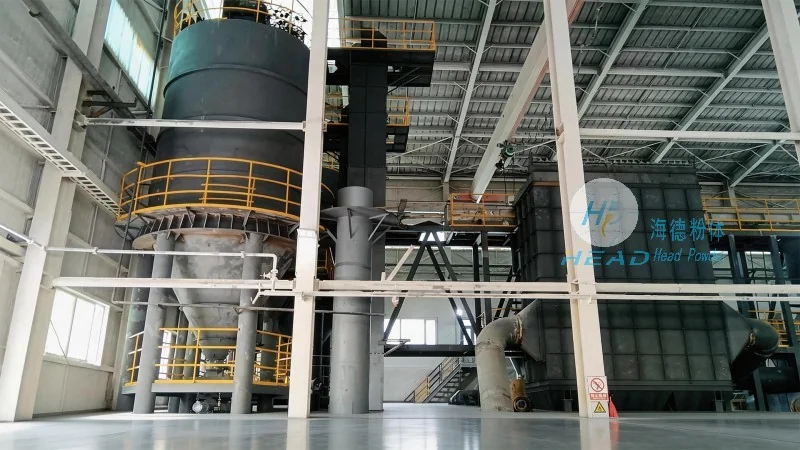
1. Pneumatic Conveying Systems
Pneumatic conveying is a widely used method for transporting soap pellets due to its ability to move materials through a closed system using air pressure. This method is particularly effective for handling fine or dusty pellets and can be categorized into two main types: pressure and vacuum systems. Pressure systems use compressed air to push the pellets through a pipeline, while vacuum systems use a vacuum to draw the material. The choice between these systems depends on factors such as the distance to be covered, the volume of material, and the required speed of transport. Pneumatic conveying offers advantages like low maintenance, minimal product contamination, and the ability to handle materials in a closed environment, which helps maintain hygiene standards in soap production.
2. Belt Conveyors
Belt conveyors are a classic and versatile solution for soap pellet transportation, especially in bulk handling applications. These systems consist of a continuous belt that moves over rollers or a flat surface, transporting the pellets from one location to another. Belt conveyors are suitable for both horizontal and inclined transport, making them adaptable to different production layouts. They are commonly used in factories where the pellets need to be moved over long distances or elevated levels. The key advantage of belt conveyors is their high capacity and ability to handle large volumes of material with minimal energy consumption. Additionally, they can be equipped with various accessories like feeders, dividers, and elevators to enhance their functionality and ensure smooth operation.
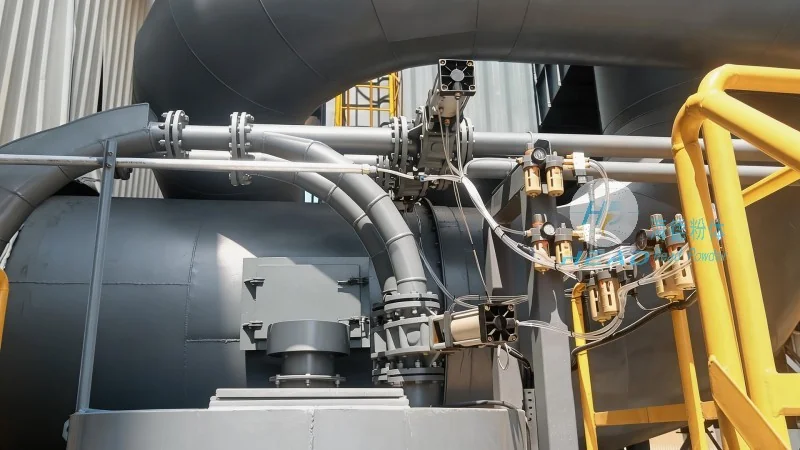
3. Screw Conveyors
Screw conveyors, also known as auger conveyors, are another effective method for transporting soap pellets. These systems use a rotating screw (auger) to move the material along a tube or trough. Screw conveyors are ideal for handling dry, free-flowing pellets and can be used for both horizontal and vertical transport. They are particularly useful in applications where the pellets need to be elevated or moved at a controlled rate. The design of screw conveyors allows for a compact footprint, making them suitable for spaces with limited room. However, it is important to consider the material's properties, such as moisture content and abrasiveness, as these can affect the wear and tear of the screw and the trough. Proper maintenance and material selection are essential to ensure the longevity and efficiency of screw conveyors.
4. Bucket Elevators
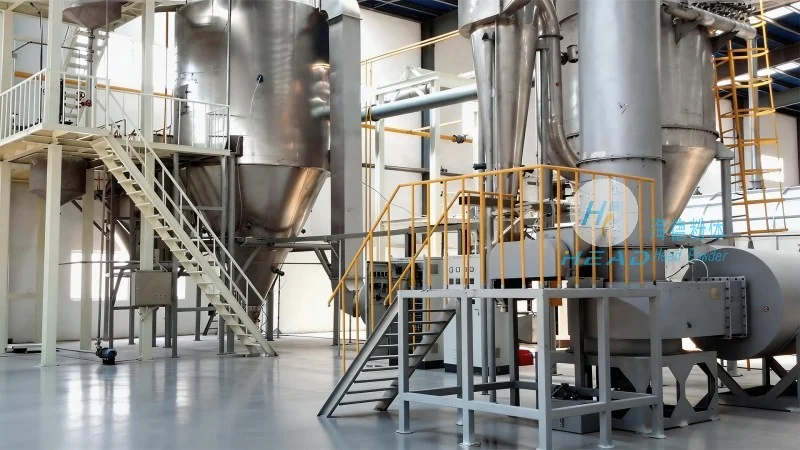
Bucket elevators are a specialized type of conveyor system designed for vertical transport of soap pellets. These systems use a series of buckets attached to a belt or chain that moves vertically, lifting the pellets from a lower to a higher level. Bucket elevators are highly efficient for vertical transport and can handle a wide range of material sizes and densities. They are commonly used in soap production facilities where the pellets need to be moved from a storage area to a processing line or from one floor to another. The main advantage of bucket elevators is their ability to transport materials vertically with minimal space requirements. However, they require careful installation and maintenance to ensure smooth operation and prevent material spillage. Proper alignment and regular inspection of the buckets and drive components are crucial for maintaining the system's performance.
5. Vibrating Conveyors
Vibrating conveyors use vibration to move soap pellets along a trough. These systems consist of a conveyor bed that is vibrated at a specific frequency and amplitude, causing the pellets to move forward. Vibrating conveyors are suitable for handling materials with varying sizes and shapes, including irregularly shaped soap pellets. They are often used in applications where the material needs to be sorted or mixed before further processing. The advantage of vibrating conveyors is their ability to handle sticky or cohesive materials without the need for additional lubrication or separation. They are also relatively low maintenance and can be easily integrated into existing production lines. However, the design of the conveyor bed and the vibration frequency must be carefully selected to ensure efficient material movement and prevent material buildup or clogging.
6. Hydraulic Conveying
Hydraulic conveying is a less common but effective method for transporting soap pellets, especially in applications where the material needs to be moved over long distances or through complex layouts. This method uses a liquid medium, typically water or a specialized fluid, to transport the pellets through a pipeline. The pellets are suspended in the liquid and moved by the flow of the fluid. Hydraulic conveying offers advantages such as the ability to handle abrasive materials and the potential for high transport speeds. However, it requires a closed system to prevent the liquid from escaping and may need additional equipment for liquid separation and recycling. The choice of hydraulic conveying depends on the specific requirements of the soap production process and the available infrastructure.

 Công ty TNHH Kỹ thuật Công trình Bột Hải Đức Sơn Đông
 156-6277-7102(Quản lý Trương)
  0531-83386006
  Quận Chương Khâu, Thành phố Tế Nam, Tỉnh Sơn Đông, Trung Quốc
Điện thoại
WeChatTư vấn
Lên đầu