Công ty Hải Đức Bột với hơn 10 năm kinh nghiệm vận chuyển khí, cung cấp hệ thống‑thiết bị‑quạt gió và nhận dự án tổng thầu bột cả nước
When it comes to efficiently handling rice husk, selecting the right conveying method is crucial for optimizing processing operations and ensuring material flow efficiency. Rice husk, a byproduct of rice milling, requires specialized handling due to its lightweight and abrasive nature. Various conveying systems are available, each with distinct advantages and applications. This article explores the primary methods used for rice husk conveyance, providing insights into how different technologies can enhance material handling in agricultural and industrial settings.
Understanding the Importance of Effective Rice Husk Conveying

Rice husk, often used as fuel or for other industrial applications, must be transported from processing points to storage or processing facilities. The choice of conveying method directly impacts operational costs, material loss, and overall system reliability. Traditional methods like manual handling are inefficient and pose safety risks, while modern solutions offer automated, low-maintenance alternatives. For businesses in the rice milling industry, investing in an appropriate conveying system can lead to significant improvements in productivity and safety.
Common Rice Husk Conveying Methods
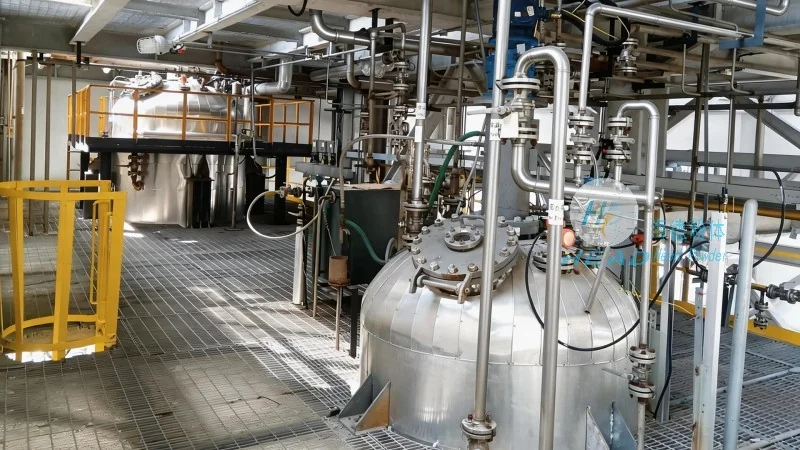
Several techniques are commonly employed to transport rice husk, each suited to different operational scales and environmental conditions. The most prevalent methods include mechanical conveyors, pneumatic (air) conveying systems, and gravity-based solutions. Each method has unique characteristics that make it suitable for specific applications, such as high-volume processing or limited space constraints.
Mechanical Conveyors: A Reliable Traditional Option
Mechanical conveyors, such as belt conveyors and screw conveyors, are widely used for rice husk transport due to their simplicity and reliability. Belt conveyors utilize a continuous belt to move material along a fixed path, making them ideal for horizontal or slight incline applications. Screw conveyors, on the other hand, use a rotating screw to push material forward, suitable for vertical or inclined transport. These systems are particularly effective for handling large volumes of rice husk and can be integrated with other processing equipment. Companies like Shandong HeadPowder Engineering Co., Ltd. specialize in designing and manufacturing customized mechanical conveyor solutions tailored to the specific needs of rice milling operations.
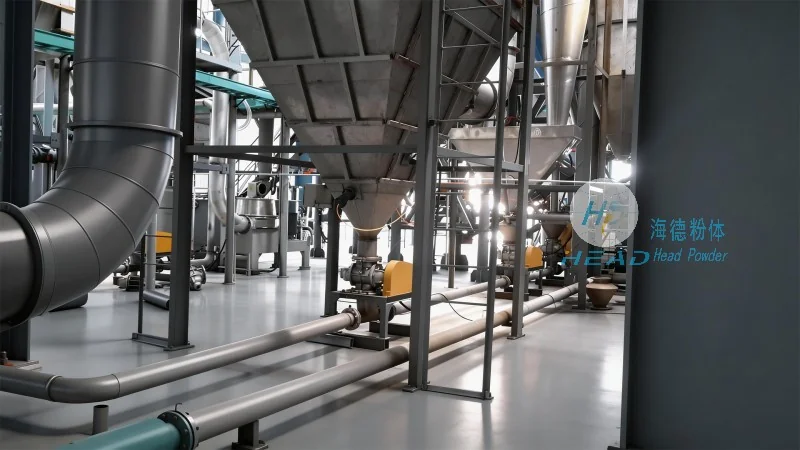
Pneumatic Conveying Systems: Efficient and Flexible
Pneumatic conveying, or air-based transport, offers a more flexible approach to rice husk handling. This method uses compressed air to move material through a pipeline, allowing for both horizontal and vertical transport without the need for mechanical components at the end points. Pneumatic systems are particularly advantageous for transporting light, dusty materials like rice husk, as they minimize material degradation and reduce the risk of contamination. However, they require careful design to manage air pressure and flow rates effectively. The technology is often preferred in applications where space is limited or where a dust-free environment is required.
Gravity Conveying: Cost-Effective for Simple Layouts
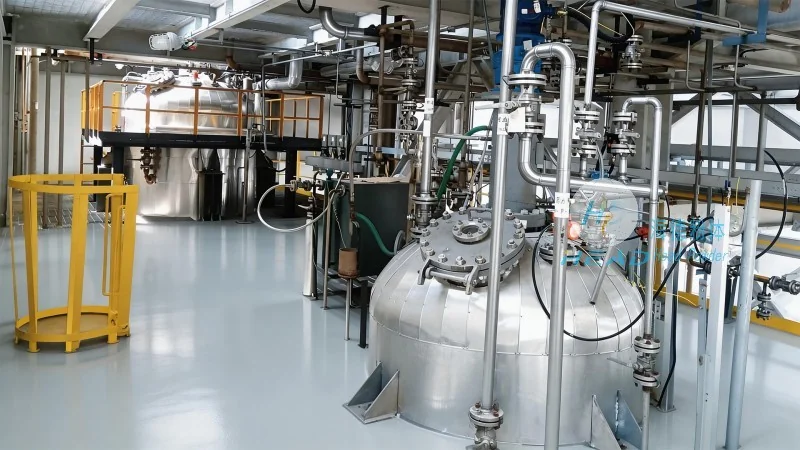
Gravity conveying systems rely on the natural force of gravity to move rice husk from higher to lower levels. This method typically involves chutes or inclined planes that allow material to flow without the need for external power. While less common for large-scale operations, gravity conveyors are cost-effective for simple layouts and low-volume applications. They are particularly useful in situations where the material flow is consistent and the distance between processing points is short. However, their efficiency decreases with increased material volume or complex layouts, making them less suitable for high-demand operations.
Choosing the Right Conveying Method for Your Operation
The selection of a rice husk conveying method depends on several factors, including the volume of material to be handled, the distance between processing points, and the available space. Mechanical conveyors are often preferred for high-volume, heavy-duty applications, while pneumatic systems excel in environments requiring flexibility and dust control. Gravity conveyors may be suitable for small-scale or low-volume operations where cost is a primary concern. It is essential to evaluate the specific requirements of your rice milling operation and consult with experts to determine the most efficient and cost-effective conveying solution.
Conclusion: Enhancing Efficiency with Proper Conveying Solutions
Efficient rice husk conveying is critical for optimizing the overall performance of rice milling operations. By selecting the appropriate conveying method, businesses can reduce operational costs, improve safety, and enhance material handling efficiency. Companies like Shandong HeadPowder Engineering Co., Ltd. offer specialized expertise in designing and implementing customized conveying systems that meet the unique needs of rice husk processing. Whether through mechanical, pneumatic, or gravity-based solutions, the right conveying method can significantly contribute to the success of rice milling operations.

 Công ty TNHH Kỹ thuật Công trình Bột Hải Đức Sơn Đông
 156-6277-7102(Quản lý Trương)
  0531-83386006
  Quận Chương Khâu, Thành phố Tế Nam, Tỉnh Sơn Đông, Trung Quốc
Điện thoại
WeChatTư vấn
Lên đầu