Công ty Hải Đức Bột với hơn 10 năm kinh nghiệm vận chuyển khí, cung cấp hệ thống‑thiết bị‑quạt gió và nhận dự án tổng thầu bột cả nước
Efficient cotton seed conveying is crucial for the processing and handling of cotton seeds in agricultural and industrial applications. Proper conveying systems ensure minimal loss, maintain seed quality, and enhance operational efficiency. This article explores the various methods used for cotton seed transportation, detailing their mechanisms, advantages, and applications.

About Shandong HeadPowder Engineering Co., Ltd.
HeadPowder, a leading manufacturer based in Shandong, China, specializes in providing high-quality conveying solutions tailored to the needs of cotton seed processing industries. With years of experience and a commitment to innovation, HeadPowder offers reliable equipment that meets the demands of modern cotton seed handling operations.
1. Mechanical Conveying Systems
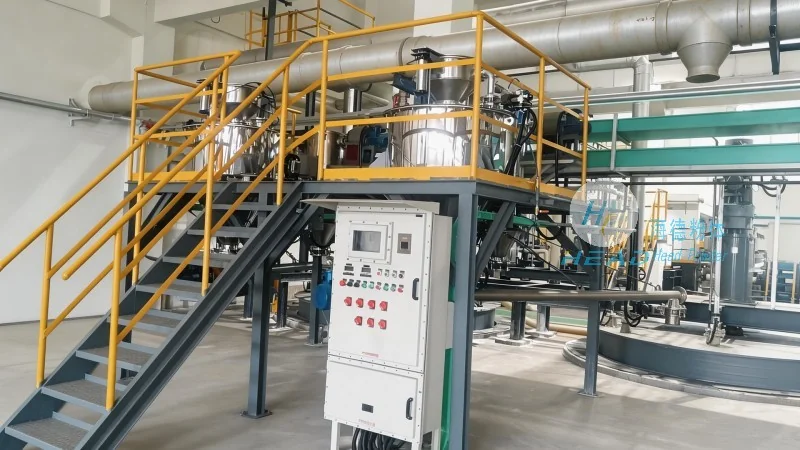
Mechanical conveying systems are among the most traditional and widely used methods for cotton seed transportation. These systems rely on mechanical components such as belts, buckets, and screws to move seeds through pipelines or open chutes. Belt conveyors, for instance, use continuous belts to transport seeds horizontally or at a slight incline, making them suitable for long-distance and bulk material handling. Bucket elevators, on the other hand, utilize rotating buckets to lift seeds vertically, ideal for vertical transport in processing plants. Mechanical conveyors are known for their durability, low maintenance costs, and ability to handle a wide range of seed sizes and moisture contents. They are particularly effective in environments where electrical power is readily available and where the risk of dust explosion is minimal.
2. Pneumatic Conveying Systems
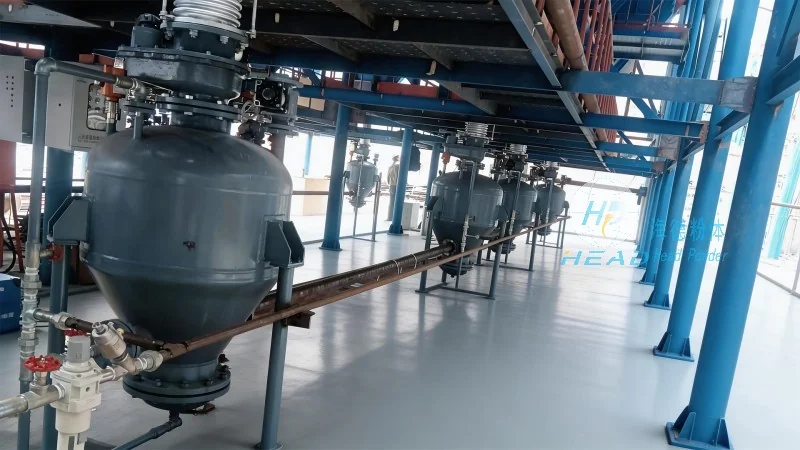
Pneumatic conveying systems use air or other gases to transport cotton seeds through a closed pipeline system. This method is often referred to as air conveying or pneumatic transport. There are two main types of pneumatic conveyors: pressure and vacuum systems. Pressure systems force air and seeds through the pipeline using positive pressure, while vacuum systems create a negative pressure to draw seeds into the pipeline. Pneumatic conveyors are highly flexible, allowing for complex routing and integration with other processing equipment. They can handle both dry and slightly moist seeds, and their enclosed design helps prevent dust contamination and loss. However, these systems require higher energy input compared to mechanical conveyors and may be less efficient for very long distances or high-volume applications.
3. Hydraulic Conveying Systems
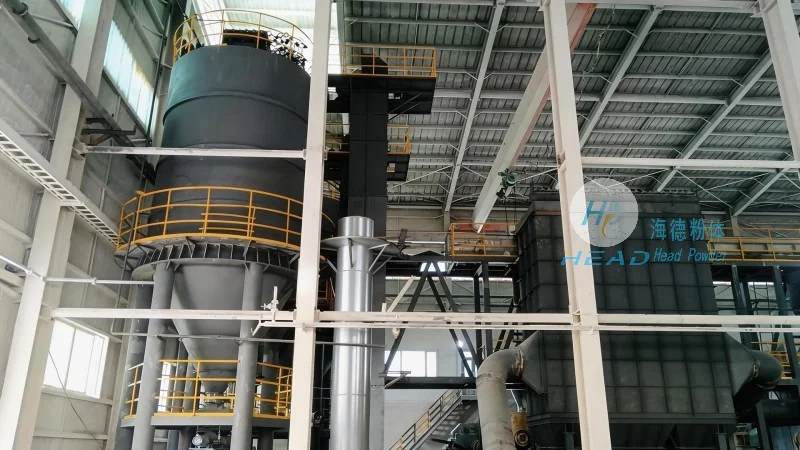
Hydraulic conveying systems utilize fluid pressure to move cotton seeds through a pipeline. This method is less common in cotton seed handling but is used in specific applications where other systems are not suitable. Hydraulic conveyors operate by pumping a liquid (often water or a specialized fluid) through a pipeline, and the seeds are carried along with the fluid flow. This approach can handle abrasive or sticky seeds and is effective in preventing clogging. However, hydraulic systems are more complex and require regular maintenance of fluid pumps and pipelines. They are typically used in industrial settings where the cost of installation and operation is justified by the unique handling requirements of the material.
4. Gravity Conveying Systems
Gravity conveying systems rely on the natural force of gravity to move cotton seeds from a higher to a lower elevation. These systems use inclined chutes or troughs to allow seeds to flow down under their own weight. Gravity conveyors are simple in design, requiring minimal energy input and maintenance. They are ideal for short-distance transport within processing facilities, such as moving seeds from a hopper to a storage bin. However, their efficiency is limited by the slope of the chute and the seed's size and density. For example, larger or heavier seeds may not flow efficiently, and the system may not handle high volumes. Gravity conveyors are often used in combination with other systems to supplement vertical or horizontal transport needs.
5. Combination Conveying Systems
In many cotton seed processing plants, a combination of the above methods is employed to achieve optimal conveying efficiency. For instance, a plant might use a mechanical conveyor to transport seeds from the field to a processing facility, followed by a pneumatic system to move them to storage. The choice of system depends on factors such as the distance to be covered, the volume of seeds, the seed characteristics (size, moisture, and density), and the available infrastructure. Combining different systems allows for flexibility and adaptability, ensuring that the conveying process is both efficient and cost-effective.

 Công ty TNHH Kỹ thuật Công trình Bột Hải Đức Sơn Đông
 156-6277-7102(Quản lý Trương)
  0531-83386006
  Quận Chương Khâu, Thành phố Tế Nam, Tỉnh Sơn Đông, Trung Quốc
Điện thoại
WeChatTư vấn
Lên đầu