Công ty Hải Đức Bột với hơn 10 năm kinh nghiệm vận chuyển khí, cung cấp hệ thống‑thiết bị‑quạt gió và nhận dự án tổng thầu bột cả nước
When it comes to handling sawdust efficiently, understanding the various conveying methods is crucial for optimizing operations in woodworking and related industries. HeadPowder, a leading provider of engineering solutions based in Shandong, China, offers insights into the different approaches used for sawdust transportation. This article explores the primary methods of sawdust conveying, highlighting their applications and benefits.
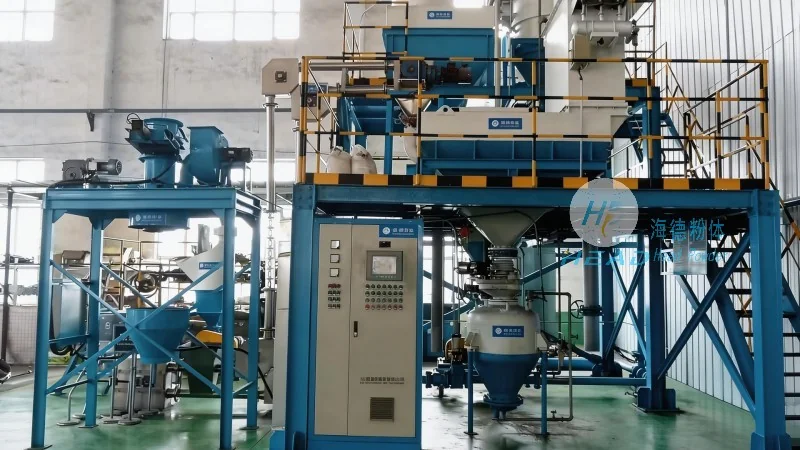
1. Mechanical Conveying Systems
Mechanical conveying systems are among the most common methods for transporting sawdust. These systems utilize mechanical components such as belts, chains, and screws to move material from one location to another. One popular type is the screw conveyor, which uses a rotating screw to push sawdust along a tube or trough. Screw conveyors are ideal for horizontal or slight incline applications and are particularly effective for handling dry, free-flowing sawdust. They are often used in sawmills and woodworking plants to transport sawdust from processing areas to storage or disposal sites. The design of screw conveyors allows for easy integration with other equipment, making them a versatile choice for sawdust management.
2. Pneumatic Conveying Systems
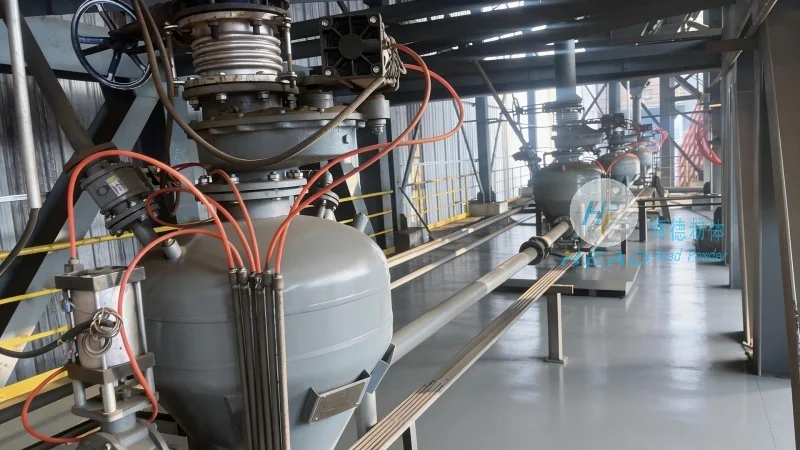
Pneumatic conveying systems use air pressure to transport sawdust through a pipeline. This method is highly effective for moving sawdust over longer distances and can handle both dry and slightly moist sawdust. There are two main types of pneumatic conveyors: positive displacement and negative pressure (or vacuum) systems. Positive displacement systems, like rotary lobe or rotary valve pumps, force sawdust through the pipeline using compressed air, ensuring consistent flow rates. Negative pressure systems, on the other hand, create a vacuum to draw sawdust into the pipeline. Pneumatic conveying is particularly useful for applications where dust control is a priority, as the enclosed system minimizes airborne particles. HeadPowder specializes in designing and manufacturing pneumatic conveying solutions tailored to the specific needs of sawdust handling, ensuring efficient and clean transportation.
3. Hydraulic Conveying
Hydraulic conveying systems utilize water or other liquids to transport sawdust. This method is often employed in applications where sawdust needs to be moved through long distances or over significant vertical heights. The sawdust is mixed with water to form a slurry, which is then pumped through pipes. Hydraulic conveyors are particularly effective for handling wet or sticky sawdust, as the liquid helps to keep the material in suspension. However, they require additional equipment for slurry separation and drying, which can increase operational complexity. Despite this, hydraulic conveying is a viable option for certain industrial settings, offering the ability to transport sawdust over challenging terrains.
4. Gravity Conveying
Gravity conveying systems rely on the natural force of gravity to move sawdust from higher to lower elevations. This method is simple and cost-effective, as it does not require any mechanical or pneumatic components. Sawdust is typically placed in a sloped chute or trough, and it flows down due to gravity. Gravity conveyors are ideal for short-distance applications where the sawdust needs to be moved from a processing area to a storage bin or disposal site. They are particularly useful in smaller woodworking operations or in areas where space is limited. While gravity conveying is efficient for low-volume applications, it may not be suitable for longer distances or for handling large quantities of sawdust.
5. Air-Liquid Conveying
Air-liquid conveying systems combine elements of both pneumatic and hydraulic methods. In this approach, sawdust is mixed with a liquid, such as water or oil, and then transported using compressed air. This method is effective for handling wet or abrasive sawdust, as the liquid helps to lubricate the material and reduce wear on the conveying system. Air-liquid conveyors are often used in applications where both distance and material characteristics are critical factors. HeadPowder offers customized air-liquid conveying solutions that can be tailored to the specific requirements of sawdust handling, ensuring optimal performance and efficiency.
6. Vacuum Conveying
Vacuum conveying systems use a vacuum to draw sawdust into a collection system. This method is particularly useful for collecting sawdust from multiple points, such as from different machines or workstations in a woodworking facility. The vacuum creates a negative pressure that pulls the sawdust into the pipeline, where it is then transported to a central collection point. Vacuum conveyors are often used in combination with other conveying systems, such as screw or pneumatic conveyors, to form a complete sawdust management system. They are effective for handling fine or powdery sawdust and can be integrated with dust collection systems to improve air quality in the workplace. HeadPowder's vacuum conveying solutions are designed to be efficient and reliable, ensuring that sawdust is collected and transported without any loss or contamination.
7. Belt Conveyors
Belt conveyors are another common method for transporting sawdust, particularly in applications where large quantities of material need to be moved over short to medium distances. These systems consist of a continuous belt that runs over rollers or pulleys, and the sawdust is placed on the belt and carried to the destination. Belt conveyors are often used in sawmills and woodworking plants to transport sawdust from the cutting area to a storage silo or processing unit. They are particularly effective for handling dry sawdust and can be equipped with various accessories, such as feeders or elevators, to enhance their functionality. Belt conveyors are known for their durability and low maintenance requirements, making them a popular choice for sawdust conveying applications.
8. Chain Conveyors
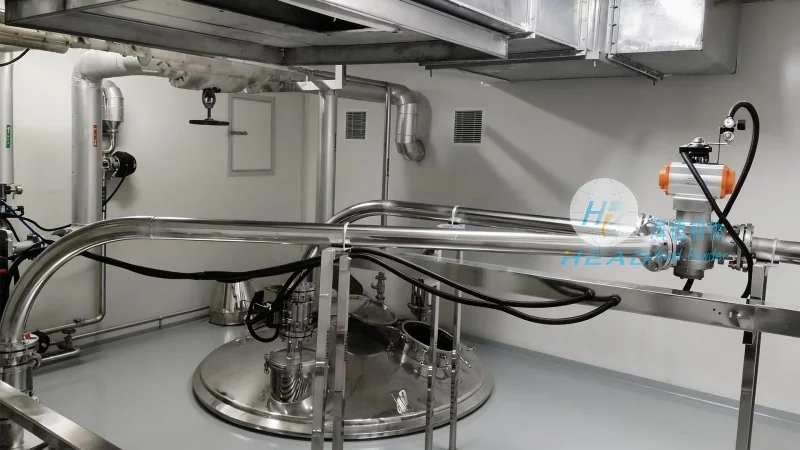
Chain conveyors use a series of chains with attached buckets or pans to transport sawdust. This method is particularly effective for handling wet or sticky sawdust, as the chains can lift and move the material without it sticking to the conveyor. Chain conveyors are often used in applications where the sawdust needs to be elevated or moved vertically, such as in a vertical silo or storage tower. They are particularly useful in industrial settings where high capacity and reliability are required. HeadPowder offers chain conveyor solutions that are designed to handle the specific challenges of sawdust handling, ensuring efficient and consistent performance.
9. Combination Systems
In many industrial settings, a single conveying method may not be sufficient to meet all the requirements of sawdust handling. As a result, combination systems are often used, which integrate multiple conveying methods to create a comprehensive solution. For example, a system might use a pneumatic conveyor to transport sawdust over long distances and then use a screw conveyor to move it to a storage bin. Combination systems allow for greater flexibility and efficiency, as they can be tailored to the specific needs of the application. HeadPowder specializes in designing and manufacturing combination conveying systems that integrate the best features of different methods, ensuring optimal performance and cost-effectiveness.
When selecting a sawdust conveying method, it is important to consider factors such as the volume of sawdust, the distance it needs to be transported, the material characteristics (e.g., dryness, moisture content), and the available space. Each method has its own advantages and limitations, and the choice of system should be based on a thorough analysis of these factors. HeadPowder, with its expertise in engineering solutions, can provide guidance and customized solutions to help businesses choose the most appropriate sawdust conveying method for their specific needs. By understanding the different methods of sawdust conveying, businesses can optimize their operations, improve efficiency, and ensure compliance with environmental regulations.

 Công ty TNHH Kỹ thuật Công trình Bột Hải Đức Sơn Đông
 156-6277-7102(Quản lý Trương)
  0531-83386006
  Quận Chương Khâu, Thành phố Tế Nam, Tỉnh Sơn Đông, Trung Quốc
Điện thoại
WeChatTư vấn
Lên đầu