Công ty Hải Đức Bột với hơn 10 năm kinh nghiệm vận chuyển khí, cung cấp hệ thống‑thiết bị‑quạt gió và nhận dự án tổng thầu bột cả nước
Grain conveyance is a critical process in the agricultural and food processing industries, ensuring efficient movement of grains from storage to processing facilities or for distribution. The methods used vary based on the type of grain, the scale of operation, and the specific requirements of the facility. Understanding these methods is essential for optimizing workflow and maintaining the quality of the grain.
Common Methods of Grain Conveyance
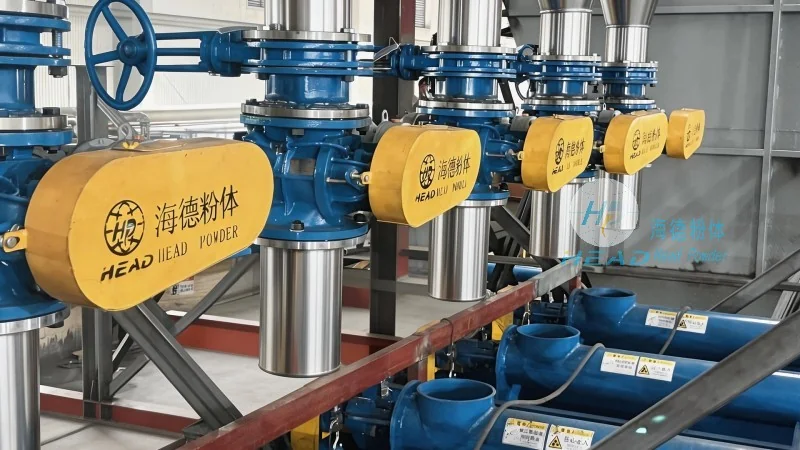
There are several established methods for conveying grains, each with its own advantages and applications. The primary methods include mechanical conveyors, pneumatic systems, and gravity-based systems. Each method is designed to handle different types of grain and operational conditions.
Mechanical Conveyors
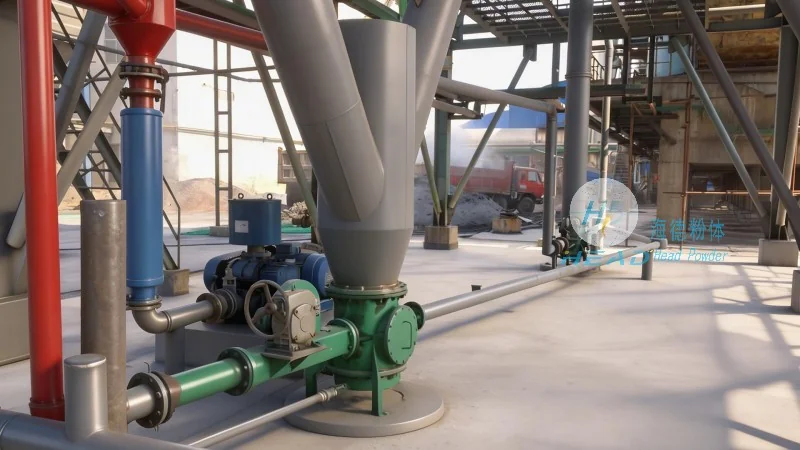
Mechanical conveyors are among the most widely used systems for grain transport. These systems utilize mechanical components such as belts, buckets, or screws to move grains horizontally, vertically, or at an incline. One common type is the belt conveyor, which uses a continuous belt to transport grain in a straight line or around curves. This method is particularly effective for bulk handling and can be customized to accommodate various grain sizes and moisture levels. Another type is the bucket elevator, which uses a series of buckets attached to a rotating drum to lift and transport grain vertically. This system is ideal for vertical movement and can handle large volumes of grain efficiently. Additionally, screw conveyors, also known as augers, use a rotating screw to push grain through a tube. They are suitable for horizontal or slight incline transport and are often used in processing plants for feeding or mixing operations.
Pneumatic Conveying Systems
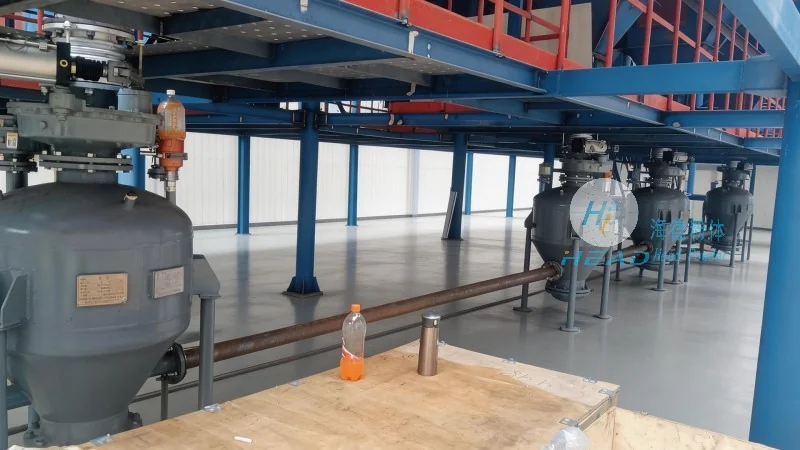
Pneumatic conveying systems use air or gas to transport grains through a pipeline. This method is particularly useful for handling fine or dusty grains, as it minimizes dust exposure and can transport grain over long distances. There are two main types of pneumatic systems: pressure and vacuum. Pressure systems force air and grain into a pipeline using a blower or compressor, while vacuum systems create a negative pressure to draw grain into the pipeline. The choice between pressure and vacuum depends on the distance, grain characteristics, and system design. Pneumatic conveyors are often used in combination with other equipment, such as silos and storage tanks, to create a seamless flow of grain from storage to processing. They are also effective for transporting grain to different parts of a facility without the need for multiple mechanical components.
Gravity-Based Conveyance
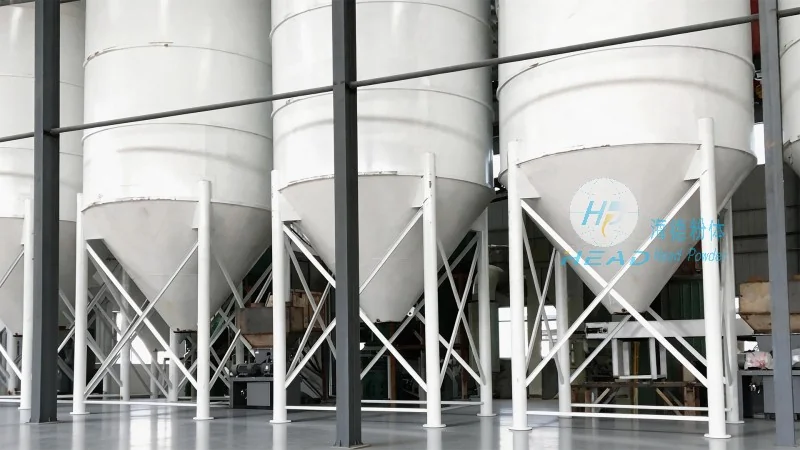
Gravity-based systems rely on the natural force of gravity to move grains from one level to another. These systems typically involve chutes or sloped pathways that allow grain to flow downward under its own weight. This method is simple and cost-effective, making it suitable for smaller operations or for moving grain from elevated storage to lower processing areas. However, gravity systems are limited by the need for a sufficient vertical drop and may not be suitable for long horizontal distances. They are often used in conjunction with other conveyors to supplement the transport process or to handle smaller volumes of grain.
Factors Influencing the Choice of Conveyance Method
The selection of a grain conveyance method depends on several factors, including the type of grain, the volume to be transported, the distance, and the operational environment. For example, bulk grains like wheat or corn may be better suited to mechanical conveyors due to their size and density, while fine grains like flour or rice might benefit from pneumatic systems to minimize dust and maintain quality. The scale of the operation also plays a role; large-scale agricultural facilities may require multiple conveyors working in tandem, while smaller farms might opt for a single, simple system. Additionally, the need for dust control and hygiene can influence the choice, as pneumatic systems are generally better at containing dust compared to mechanical systems. Finally, the cost and maintenance requirements of each system should be considered, as this can impact the long-term efficiency and profitability of the operation.
Conclusion
Grain conveyance is a multifaceted process that requires careful consideration of the specific needs of the operation. By understanding the various methods available and the factors that influence their selection, businesses can choose the most effective and efficient system for their grain handling needs. Whether using mechanical, pneumatic, or gravity-based systems, the goal is to ensure smooth, reliable, and cost-effective transport of grains from storage to processing or distribution. Companies like Shandong HeadPowder Engineering Co., Ltd., based in Shandong, China, specialize in providing tailored grain conveyance solutions that meet the unique requirements of their clients, helping to optimize workflow and maintain the quality of the grain throughout the process.

 Công ty TNHH Kỹ thuật Công trình Bột Hải Đức Sơn Đông
 156-6277-7102(Quản lý Trương)
  0531-83386006
  Quận Chương Khâu, Thành phố Tế Nam, Tỉnh Sơn Đông, Trung Quốc
Điện thoại
WeChatTư vấn
Lên đầu