Công ty Hải Đức Bột với hơn 10 năm kinh nghiệm vận chuyển khí, cung cấp hệ thống‑thiết bị‑quạt gió và nhận dự án tổng thầu bột cả nước
When it comes to transporting anhydrous alumina chloride, selecting the right method is crucial for maintaining product integrity and operational efficiency. Anhydrous alumina chloride, a key chemical in various industrial applications, requires specialized handling due to its reactivity and physical properties. The choice of transportation method impacts not only the safety of the process but also the cost-effectiveness and reliability of material movement within industrial settings. This article explores common transportation methods for anhydrous alumina chloride, with a focus on pneumatic conveying as a modern and effective solution.
About HeadPowder: A Leading Provider in Chemical Engineering
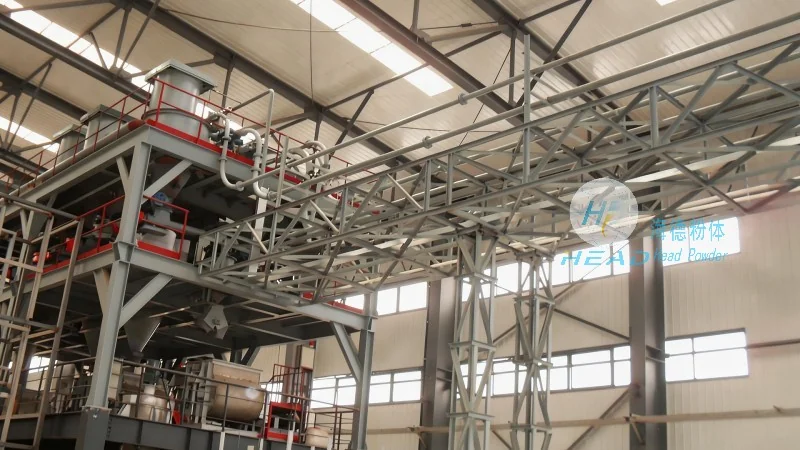
Shandong HeadPowder Engineering Co., Ltd., commonly known as HeadPowder, is a reputable company based in China specializing in chemical engineering solutions. With a strong commitment to quality and innovation, HeadPowder provides advanced technologies and equipment for the handling and transportation of chemicals like anhydrous alumina chloride. The company’s expertise in material handling systems ensures that clients receive tailored solutions that meet their specific operational needs, emphasizing safety, efficiency, and durability. HeadPowder’s products and services are designed to support industries that rely on precise chemical management, including manufacturing, processing, and distribution sectors.
Overview of Common Transportation Methods for Anhydrous Alumina Chloride
Several methods are employed for the transportation of anhydrous alumina chloride, each with its own advantages and considerations. Traditional methods such as bulk containers, trucks, and pipelines are widely used, but they may not always address the unique challenges posed by this chemical. For instance, bulk containers can be cumbersome and require careful handling to prevent contamination or spillage. Truck transport, while common, may be limited by distance and infrastructure, and pipelines can be expensive to install and maintain. These conventional approaches often struggle with the need for controlled environments and minimal exposure to moisture or air, which are critical for preserving the anhydrous nature of the product.
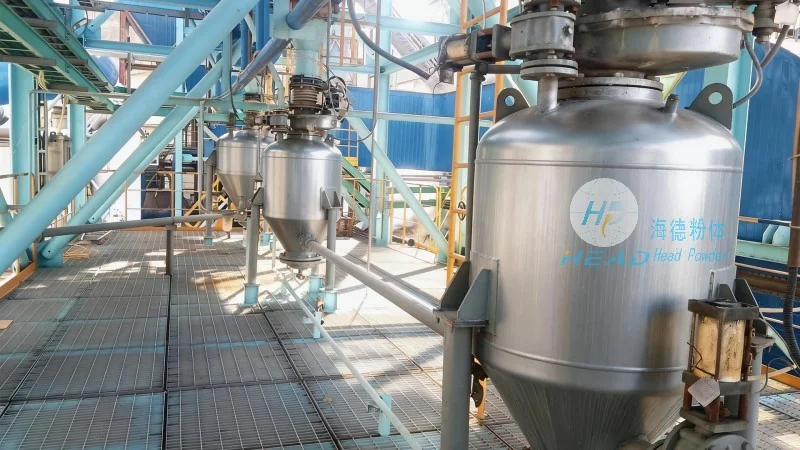
Pneumatic Conveying: A Modern Solution for Anhydrous Alumina Chloride
Pneumatic conveying has emerged as a preferred method for transporting anhydrous alumina chloride due to its ability to handle the chemical's properties effectively. This technology uses air pressure to move the material through a system of pipes, eliminating the need for mechanical components that could introduce contamination or wear. The process involves a hopper, a blower, and a conveying line, with the material being drawn or pushed through the system depending on the design. Pneumatic conveying offers several benefits, including reduced risk of product degradation, lower labor costs compared to manual handling, and the ability to transport materials over longer distances without the need for intermediate storage. For anhydrous alumina chloride, which is sensitive to moisture and air, pneumatic systems provide a controlled environment that maintains the chemical's purity and stability throughout the transportation process.
Key Features and Advantages of Pneumatic Conveying for Anhydrous Alumina Chloride
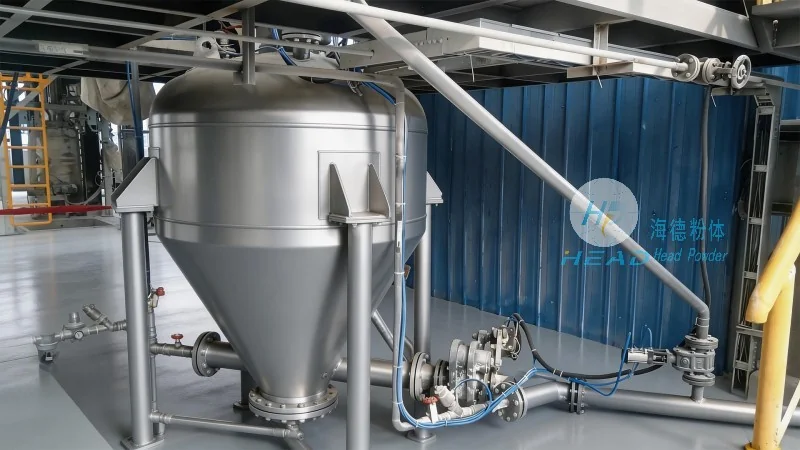
When considering pneumatic conveying for anhydrous alumina chloride, several key features and advantages stand out. First, the system is fully enclosed, preventing exposure to external elements that could affect the product's quality. This is particularly important for anhydrous chemicals, as moisture absorption can alter their properties and reduce effectiveness. Second, the technology allows for continuous or batch operation, providing flexibility based on production and demand requirements. Third, pneumatic conveying reduces the risk of dust generation and spillage, enhancing workplace safety and environmental compliance. Additionally, the system can be integrated with other processing equipment, streamlining the overall material handling workflow. For industries that require high-purity anhydrous alumina chloride, these features make pneumatic conveying a reliable and efficient choice.
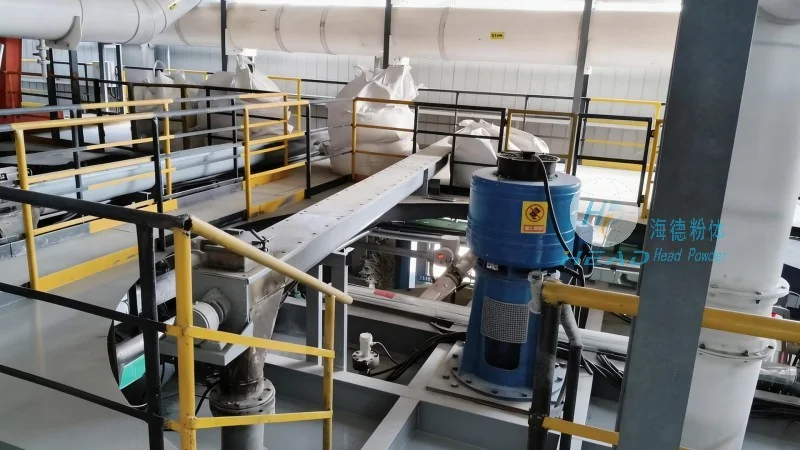
Applications and Industries Benefiting from Pneumatic Conveying
The use of pneumatic conveying for anhydrous alumina chloride is widespread across various industries. In the aluminum industry, anhydrous alumina chloride is used as a precursor in the production of aluminum metal, and efficient transportation is essential to maintain the supply chain. In chemical manufacturing, it serves as a reagent in the synthesis of other compounds, where consistent quality is critical. The food and pharmaceutical sectors also benefit from the controlled handling of anhydrous alumina chloride, as it is used as a processing aid or additive. Each of these industries relies on the reliability of pneumatic conveying systems to ensure that the chemical is delivered in its purest form, meeting stringent quality standards and regulatory requirements. The adaptability of pneumatic systems allows them to be customized for different applications, making them a versatile solution for diverse industrial needs.
Conclusion: Choosing the Right Transportation Method for Anhydrous Alumina Chloride
In conclusion, the transportation of anhydrous alumina chloride requires careful consideration of the chemical's properties and the operational needs of the industry. While traditional methods like bulk containers and trucks remain in use, pneumatic conveying has become a leading solution due to its efficiency, safety, and ability to maintain product integrity. Companies like Shandong HeadPowder Engineering Co., Ltd. offer advanced pneumatic conveying systems that are tailored to the specific requirements of anhydrous alumina chloride, ensuring that clients receive reliable and cost-effective solutions. By selecting the appropriate transportation method, industries can optimize their operations, reduce risks, and enhance the overall quality of their products. The future of anhydrous alumina chloride transportation lies in innovative technologies that prioritize precision, safety, and sustainability, and pneumatic conveying continues to play a vital role in meeting these demands.

 Công ty TNHH Kỹ thuật Công trình Bột Hải Đức Sơn Đông
 156-6277-7102(Quản lý Trương)
  0531-83386006
  Quận Chương Khâu, Thành phố Tế Nam, Tỉnh Sơn Đông, Trung Quốc
Điện thoại
WeChatTư vấn
Lên đầu