Công ty Hải Đức Bột với hơn 10 năm kinh nghiệm vận chuyển khí, cung cấp hệ thống‑thiết bị‑quạt gió và nhận dự án tổng thầu bột cả nước
Bone powder, a fine particulate material derived from animal bone processing, is widely used in various industries such as feed production, pharmaceuticals, and cosmetics. The efficient and reliable transportation of bone powder is crucial for maintaining production efficiency and product quality. There are several common methods for conveying bone powder, each with its own advantages and limitations. Understanding these methods helps in selecting the most suitable option for specific applications.
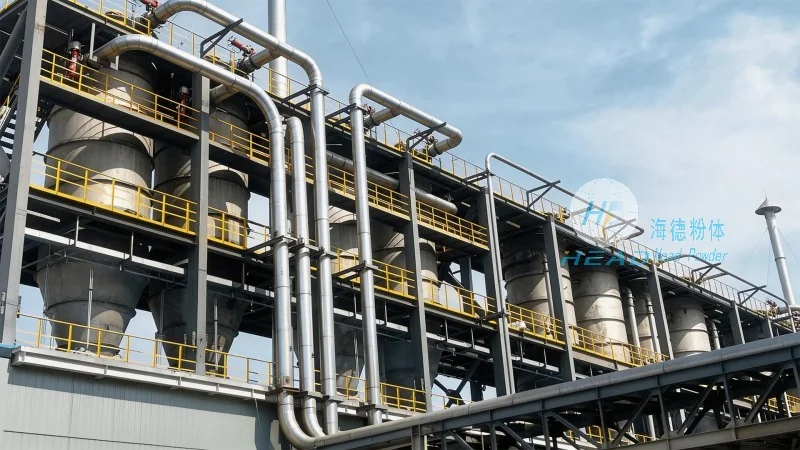
1. Gravity Conveying
Gravity conveying, also known as bucket elevators or belt conveyors, relies on the natural force of gravity to move bone powder from a lower to a higher elevation. This method is simple and cost-effective for short distances and low to moderate material flow rates. However, it is less suitable for long distances or when the material needs to be transported horizontally over significant distances. The equipment used in gravity conveying, such as belt conveyors, may require regular maintenance to prevent material buildup and ensure smooth operation.
2. Mechanical Conveying
Mechanical conveying systems, including screw conveyors and chain conveyors, use mechanical components to transport bone powder. These systems are effective for both vertical and horizontal movement and can handle a wide range of material flow rates. However, mechanical conveyors can be prone to material degradation, especially for fine powders like bone powder, due to friction and impact. Additionally, they may require more space and higher energy consumption compared to other methods.
3. Pneumatic Conveying: The Preferred Solution for Bone Powder
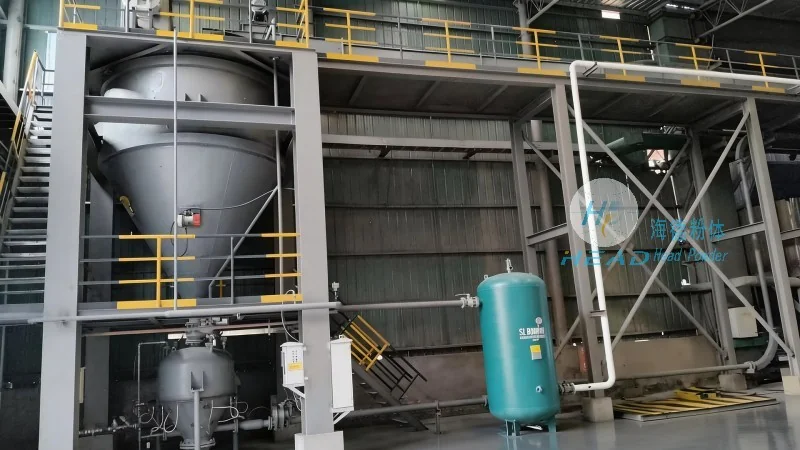
Pneumatic conveying, or air-based transport, is increasingly recognized as the most efficient and versatile method for handling bone powder. This technology uses compressed air to transport the material through a pipeline system. Pneumatic conveyors offer several advantages over traditional methods, including high material handling capacity, minimal material degradation, and the ability to transport materials over long distances with minimal loss. The system can be designed as either positive or negative pressure, depending on the specific application requirements.
Advantages of HeadPowder Pneumatic Conveying Systems
Shandong HeadPowder Engineering Co., Ltd., a leading manufacturer of pneumatic conveying equipment, specializes in providing customized solutions for bone powder transportation. Their systems are engineered to meet the unique needs of the bone powder industry, offering several key advantages:
3.1 High Efficiency and Capacity
HeadPowder pneumatic conveying systems are designed to handle large volumes of bone powder efficiently. The use of high-pressure air and optimized pipeline designs ensures consistent material flow rates, reducing downtime and increasing overall production capacity. This efficiency is particularly important in feed mills and other high-volume processing facilities where continuous operation is critical.
3.2 Minimal Material Degradation
Unlike mechanical conveyors, pneumatic systems minimize the risk of material degradation. The gentle handling of bone powder through the pipeline reduces the formation of clumps or agglomerates, which can affect product quality. This is especially beneficial for applications where the bone powder is used in sensitive products, such as animal feed or pharmaceuticals, where particle size and uniformity are critical.
3.3 Versatility and Flexibility
HeadPowder's pneumatic conveying systems are highly versatile and can be adapted to various production environments. They can be integrated with existing processing lines or designed as standalone systems. The systems can handle both dry and slightly moist bone powder, making them suitable for a wide range of applications. Additionally, the modular design allows for easy expansion or modification as production needs change.
3.4 Low Maintenance and Longevity
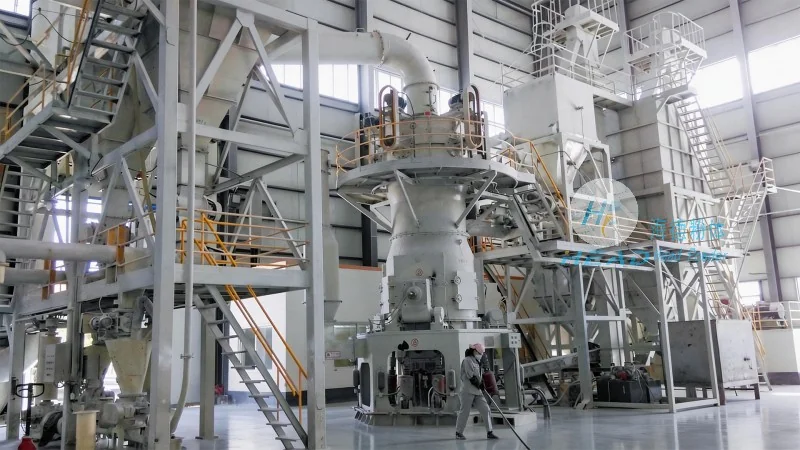
The pneumatic conveying systems from HeadPowder are built with high-quality materials and components, ensuring long-term reliability and low maintenance costs. The absence of moving parts in the main conveying line reduces wear and tear, while the use of durable materials minimizes the risk of corrosion or material buildup. This results in lower operational costs and extended equipment lifespan.
3.5 Environmental Benefits
Pneumatic conveying systems from HeadPowder are designed with environmental considerations in mind. The enclosed pipeline system prevents dust emissions, reducing the risk of air pollution and improving workplace safety. This is particularly important in industries where dust control is a regulatory requirement. Additionally, the efficient use of compressed air reduces energy consumption compared to some mechanical conveying methods.
Conclusion
When selecting a bone powder conveying method, it is essential to consider factors such as material properties, distance, flow rate, and production requirements. While gravity and mechanical conveyors have their uses, pneumatic conveying, particularly from HeadPowder, offers superior performance and reliability. The advantages of high efficiency, minimal degradation, versatility, and low maintenance make HeadPowder's pneumatic conveying systems an excellent choice for modern bone powder processing facilities. By choosing the right conveying system, companies can enhance their production efficiency, ensure product quality, and reduce operational costs.

 Công ty TNHH Kỹ thuật Công trình Bột Hải Đức Sơn Đông
 156-6277-7102(Quản lý Trương)
  0531-83386006
  Quận Chương Khâu, Thành phố Tế Nam, Tỉnh Sơn Đông, Trung Quốc
Điện thoại
WeChatTư vấn
Lên đầu