Công ty Hải Đức Bột với hơn 10 năm kinh nghiệm vận chuyển khí, cung cấp hệ thống‑thiết bị‑quạt gió và nhận dự án tổng thầu bột cả nước
Lead powder, a critical material in various industrial applications such as battery manufacturing and pigment production, requires efficient and reliable transportation methods to maintain product integrity and operational safety. The choice of conveying system significantly impacts production efficiency, material handling costs, and environmental compliance. This article explores common lead powder conveying methods and highlights the advantages of HeadPowder's pneumatic conveying technology, a leading solution for handling lead powder in industrial settings.
Understanding Lead Powder Conveying: Common Methods
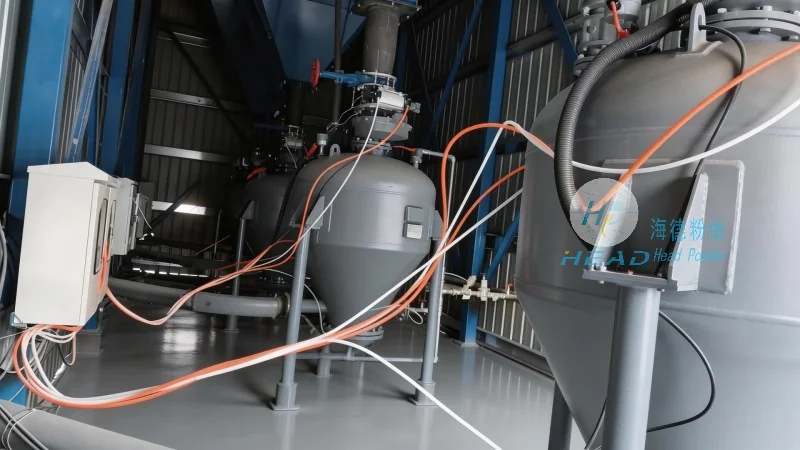
Lead powder, due to its fine particle size and potential for dust generation, demands specialized handling techniques to prevent contamination and ensure safe operation. Traditional conveying methods include gravity flow, mechanical systems like screw conveyors or belt conveyors, and pneumatic systems. Each method has its own set of advantages and limitations, making the selection process critical for industrial applications.
Gravity Conveying: A Basic Approach
Gravity conveying relies on the natural downward movement of materials under the influence of gravity. This method is simple and low-cost, suitable for short vertical or horizontal distances where the material can flow freely. However, lead powder often requires additional support or conditioning to maintain flow, as its fine particles may settle or clog in vertical or inclined sections. The system typically involves hoppers, chutes, and sometimes vibrators to assist in material movement. While effective for small-scale operations or low-volume applications, gravity conveying may not be suitable for large-scale or complex layouts, as it lacks the flexibility to handle varying material properties or long distances.
Mechanical Conveying: Mechanical Systems
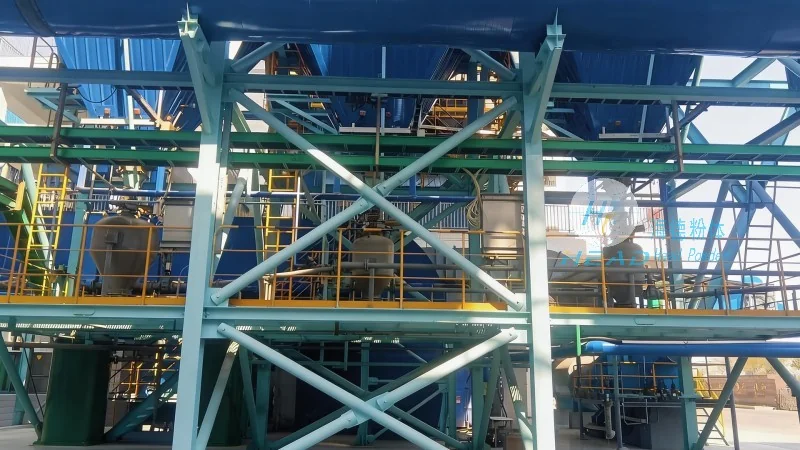
Mechanical conveying systems, including screw conveyors, belt conveyors, and bucket elevators, use mechanical components to transport lead powder. Screw conveyors, for instance, utilize a rotating screw within a tube to move material forward, while belt conveyors rely on a moving belt to carry particles. These systems are robust and can handle a wide range of materials, including abrasive or corrosive substances. However, mechanical conveyors have limitations when dealing with fine powders like lead powder. The high friction and potential for material buildup can lead to clogging, increased maintenance, and reduced efficiency. Additionally, the mechanical parts are susceptible to wear and tear from the abrasive nature of lead powder, requiring frequent replacement and higher operational costs over time.
Pneumatic Conveying: The Advanced Solution
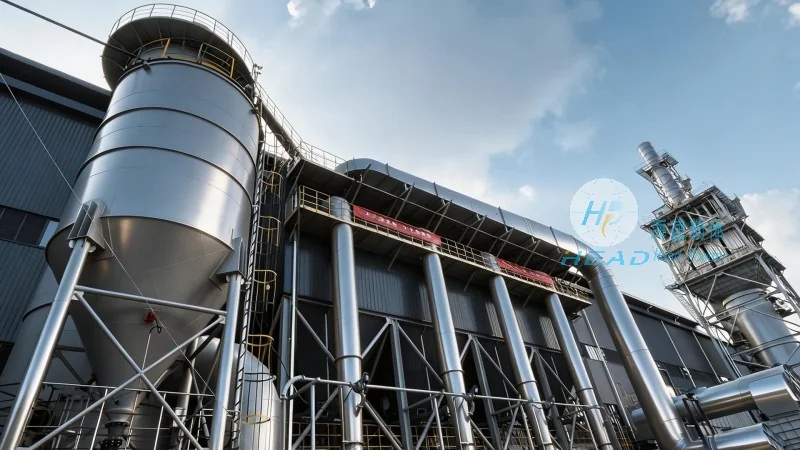
Pneumatic conveying, or air-based transport, uses compressed air to move lead powder through a pipeline. This method offers several advantages over traditional systems, particularly for fine powders. The primary benefit is the ability to handle lead powder in a closed system, minimizing dust exposure and environmental contamination. Pneumatic systems can transport materials over long distances and through complex layouts, including vertical lifts and horizontal turns, with minimal material degradation. The flexibility of pneumatic conveying allows for integration with existing production lines and easy adaptation to changing production demands. Additionally, the system can be designed to handle varying particle sizes and moisture content, ensuring consistent performance.
HeadPowder's Pneumatic Conveying System: Advantages and Features
HeadPowder, a leading manufacturer of lead powder handling solutions, specializes in pneumatic conveying systems tailored to the unique challenges of lead powder. The company's systems are designed with several key advantages that address the limitations of traditional methods. One of the primary benefits is the high efficiency in material transport, with minimal loss and contamination. The closed-loop system ensures that lead powder remains within the pipeline, reducing the risk of dust exposure and environmental impact. This is particularly important in industrial settings where safety and compliance are critical.
Another advantage is the system's adaptability to different production scales and layouts. HeadPowder's pneumatic conveying solutions can be customized to handle varying volumes of lead powder, from small batches to large-scale industrial production. The systems are designed with durable components that resist corrosion and wear from lead powder, ensuring long-term reliability and low maintenance costs. The company's expertise in material handling allows for the integration of advanced control systems, enabling real-time monitoring and optimization of the conveying process. This ensures consistent performance and reduces downtime, contributing to overall operational efficiency.
Key Features of HeadPowder's Pneumatic Conveying
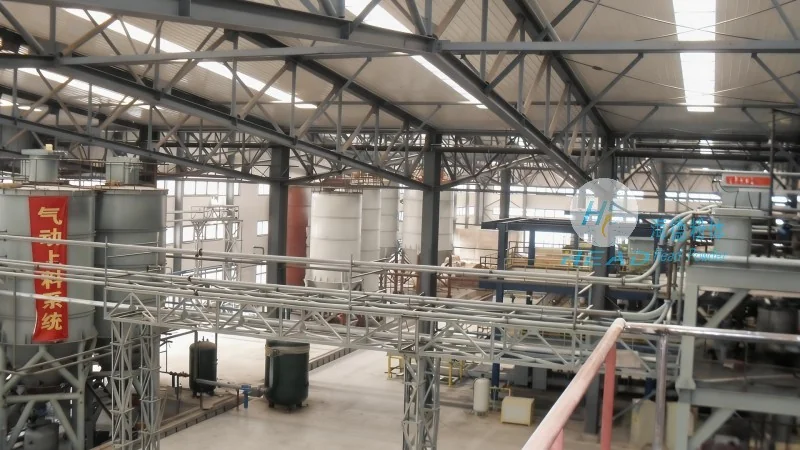
HeadPowder's pneumatic conveying systems incorporate several key features that enhance performance and reliability. The use of high-quality materials, such as stainless steel and specialized coatings, ensures resistance to corrosion and wear from lead powder. The system includes advanced filtration and dust collection components, maintaining a clean and safe working environment. The control systems are equipped with sensors and monitoring tools that provide real-time data on material flow, pressure, and temperature, allowing for immediate adjustments and troubleshooting. Additionally, the design allows for easy maintenance and cleaning, reducing downtime and operational costs.
Conclusion: Choosing the Right Conveying System
When selecting a lead powder conveying system, it is essential to consider the specific requirements of the application, including material properties, production scale, and operational constraints. While traditional methods like gravity and mechanical conveyors have their uses, pneumatic conveying offers superior performance and flexibility, especially for fine powders like lead powder. HeadPowder's pneumatic conveying systems provide a reliable and efficient solution, addressing the challenges of material handling while ensuring safety and compliance. By choosing a system tailored to the unique needs of lead powder, industrial manufacturers can improve operational efficiency, reduce costs, and maintain product quality.

 Công ty TNHH Kỹ thuật Công trình Bột Hải Đức Sơn Đông
 156-6277-7102(Quản lý Trương)
  0531-83386006
  Quận Chương Khâu, Thành phố Tế Nam, Tỉnh Sơn Đông, Trung Quốc
Điện thoại
WeChatTư vấn
Lên đầu