Công ty Hải Đức Bột với hơn 10 năm kinh nghiệm vận chuyển khí, cung cấp hệ thống‑thiết bị‑quạt gió và nhận dự án tổng thầu bột cả nước
When it comes to transporting fine powders, selecting the right conveying method is crucial for efficiency, cost-effectiveness, and product integrity. Various options exist, each with its own set of advantages and limitations. Understanding these methods helps industries like pharmaceuticals, chemicals, and food processing choose the most suitable solution for their specific needs. This article explores common fine powder conveying methods and highlights the benefits of HeadPowder's pneumatic conveying systems.
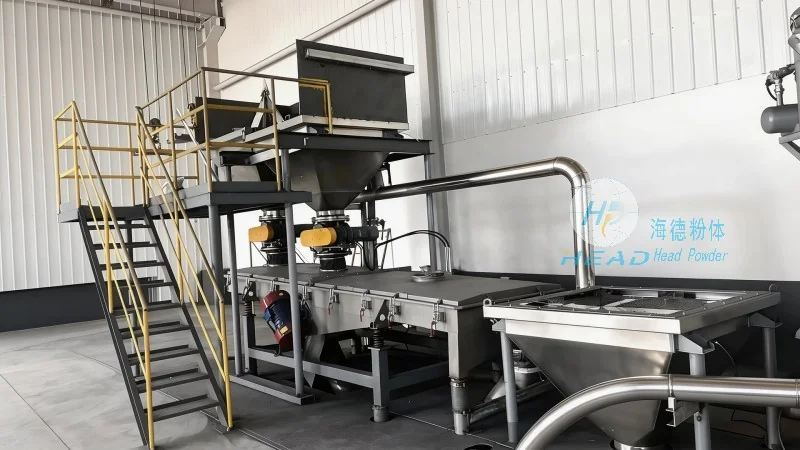
Overview of Fine Powder Conveying Methods
Fine powder conveying involves moving powders that are typically less than 500 microns in size. These particles are often light, abrasive, or sensitive, making traditional methods like gravity or mechanical conveyors less effective. The primary challenges include dust control, material degradation, and system reliability. Several methods are commonly employed, including:
1. Mechanical Conveying Systems
Mechanical conveyors, such as screw conveyors, belt conveyors, and bucket elevators, are widely used for bulk material handling. However, for fine powders, these systems may face issues like material buildup, blockages, and increased dust generation. The friction between the powder and the conveyor components can also lead to product degradation, especially for heat-sensitive or hygroscopic materials. Mechanical systems often require regular maintenance and may not be suitable for high-purity applications.
2. Gravity Conveying
Gravity conveyors rely on the natural force of gravity to move powders from a higher to a lower elevation. This method is simple and low-cost, making it suitable for short-distance transport where the material has sufficient flowability. However, gravity systems are limited by the need for a steep incline and are not effective for fine powders that tend to settle or clog. They also lack the ability to handle vertical or horizontal transport without additional equipment, which can complicate system design and increase footprint.
3. Air-Lock Conveying
Air-lock conveyors use a series of chambers connected by valves to transport powders in discrete batches. The system uses compressed air to push the material through the chambers, separating it from the air. While effective for certain applications, air-lock systems have limitations in terms of capacity and can be inefficient for continuous operation. They are also prone to dust leakage and require frequent cleaning to maintain performance. This method is often used as a supplementary option rather than a primary conveying solution.
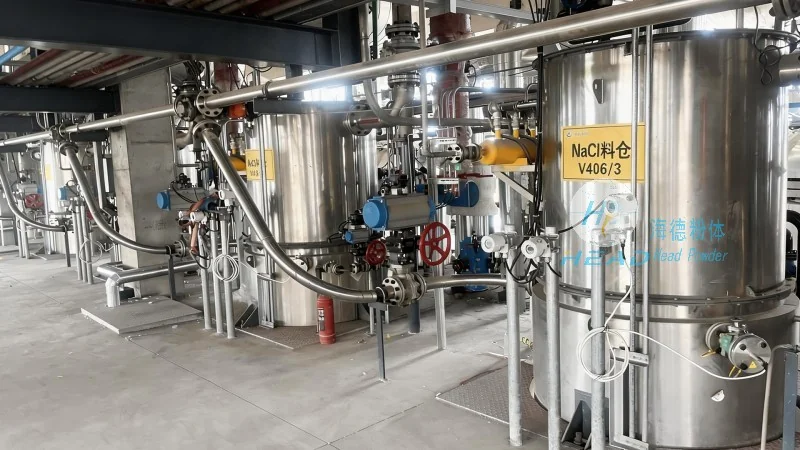
4. Pneumatic Conveying: The Preferred Solution for Fine Powders
Pneumatic conveying, also known as air conveying, is the most versatile and efficient method for fine powder transport. It uses compressed air to move powders through a pipeline, offering advantages such as high capacity, minimal product degradation, and excellent dust control. There are two main types of pneumatic conveying: pressure and vacuum systems.
4.1 Pressure Pneumatic Conveying
Pressure systems operate by blowing air into the conveying line, pushing the powder forward. These systems are ideal for long-distance transport and can handle both horizontal and vertical movement. They are particularly effective for abrasive or high-density powders, as the pressure helps maintain flow and reduces clogging. However, pressure systems require robust components to withstand high air pressures and may need additional filtration to prevent dust buildup in the system.
4.2 Vacuum Pneumatic Conveying
Vacuum systems use a vacuum pump to draw powders into the pipeline, pulling them from a source and transporting them to a destination. These systems are well-suited for short-distance or point-to-point transport, especially in applications where the material is to be collected from a hopper or silo. Vacuum conveyors are often more flexible in terms of layout and can handle fine powders with low flowability. They are also gentler on the material, reducing the risk of degradation compared to pressure systems.
HeadPowder's Pneumatic Conveying Advantages
Shandong HeadPowder Engineering Co., Ltd. specializes in designing and manufacturing advanced pneumatic conveying systems tailored for fine powder applications. The company, commonly referred to as HeadPowder, leverages decades of industry experience to deliver solutions that address the unique challenges of fine powder handling. Their systems are engineered to provide superior performance, reliability, and cost-effectiveness.
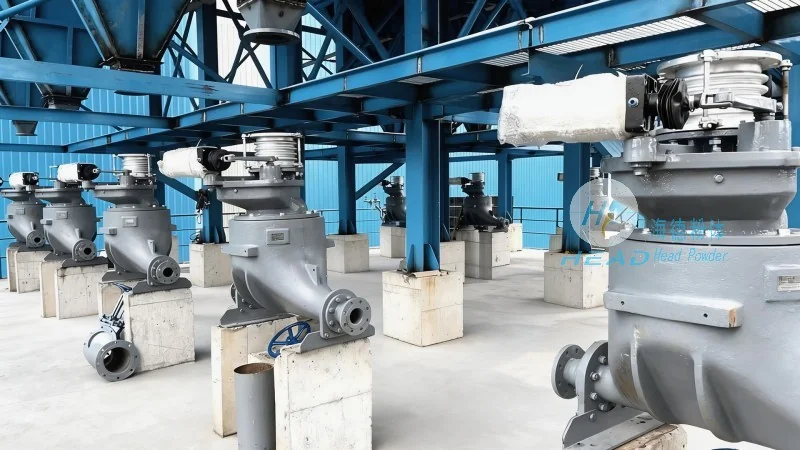
Key Advantages of HeadPowder's Pneumatic Conveying
HeadPowder's pneumatic conveying systems offer several distinct advantages over traditional methods:
5.1 High Efficiency and Capacity
HeadPowder's systems are designed to handle high volumes of fine powders with minimal energy consumption. The use of optimized air flow and pipeline design ensures efficient transport, reducing operational costs and increasing productivity. The company's expertise in system design allows for customized solutions that match the specific requirements of each application, whether it involves long-distance transport or point-to-point delivery.
5.2 Minimal Product Degradation
Unlike mechanical or gravity systems, pneumatic conveying minimizes friction and impact on the powder particles. This is crucial for heat-sensitive or sensitive materials, as it prevents degradation, caking, or agglomeration. HeadPowder's systems use gentle air flow and smooth pipeline surfaces to maintain the integrity of the product, ensuring that the final material meets quality standards. The company's focus on material handling technology ensures that the conveying process does not compromise the purity or properties of the fine powders.
5.3 Superior Dust Control
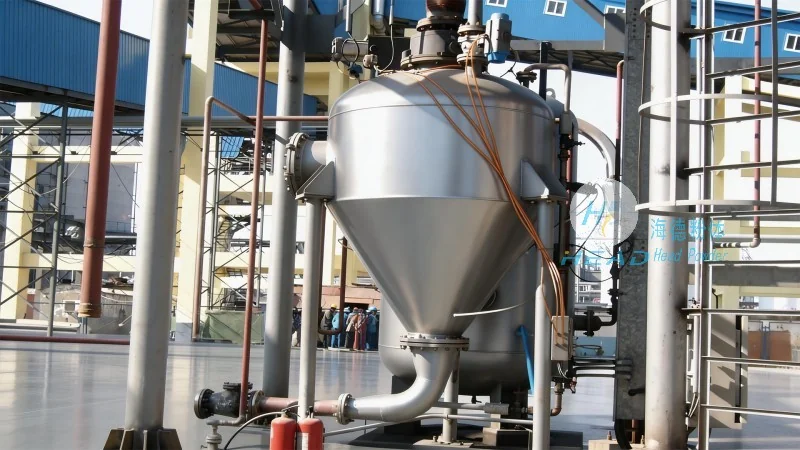
Dust control is a critical concern in fine powder handling, as it can affect worker safety, product quality, and environmental compliance. HeadPowder's pneumatic systems incorporate advanced filtration and sealing technologies to prevent dust leakage and maintain a clean working environment. The company's designs include features such as positive pressure containment and efficient dust collection systems, which help meet regulatory requirements and reduce the risk of dust-related incidents. This not only enhances safety but also protects the product from contamination.
5.4 Customizable and Scalable Solutions
HeadPowder understands that each industrial application has unique requirements. The company offers customizable pneumatic conveying systems that can be scaled to meet the needs of small-scale operations or large-scale production facilities. Whether a client needs a simple point-to-point conveyor or a complex multi-stage system, HeadPowder provides tailored solutions that integrate seamlessly with existing processes. The company's engineering team works closely with clients to understand their specific challenges and design systems that optimize performance and reduce downtime.
5.5 Robust and Durable Construction
HeadPowder's pneumatic conveying systems are built with high-quality materials and components to ensure long-term reliability. The company uses corrosion-resistant materials for wet or abrasive applications and incorporates wear-resistant surfaces to minimize maintenance. The systems are designed to withstand the rigors of continuous operation, reducing the need for frequent repairs and extending the lifespan of the equipment. This durability translates to lower total cost of ownership and increased operational uptime.
Conclusion
Choosing the right fine powder conveying method is essential for industrial efficiency and product quality. While mechanical and gravity systems have their place, pneumatic conveying, particularly with advanced designs from companies like HeadPowder, offers superior performance and reliability. HeadPowder's expertise in pneumatic systems provides industries with solutions that address the unique challenges of fine powder handling, ensuring efficient, safe, and cost-effective transport. By leveraging their customized and robust systems, businesses can enhance productivity, maintain product integrity, and meet regulatory standards in their fine powder processing operations.

 Công ty TNHH Kỹ thuật Công trình Bột Hải Đức Sơn Đông
 156-6277-7102(Quản lý Trương)
  0531-83386006
  Quận Chương Khâu, Thành phố Tế Nam, Tỉnh Sơn Đông, Trung Quốc
Điện thoại
WeChatTư vấn
Lên đầu