Công ty Hải Đức Bột với hơn 10 năm kinh nghiệm vận chuyển khí, cung cấp hệ thống‑thiết bị‑quạt gió và nhận dự án tổng thầu bột cả nước
Resin delivery is a critical process in various industrial applications, particularly in manufacturing and processing where the efficient transport of resin materials is essential for maintaining production efficiency and product quality. The choice of resin delivery method can significantly impact operational costs, equipment maintenance, and overall system reliability. Understanding the different resin delivery methods available is crucial for selecting the most suitable solution for specific industrial needs.
Introduction to Resin Delivery Systems
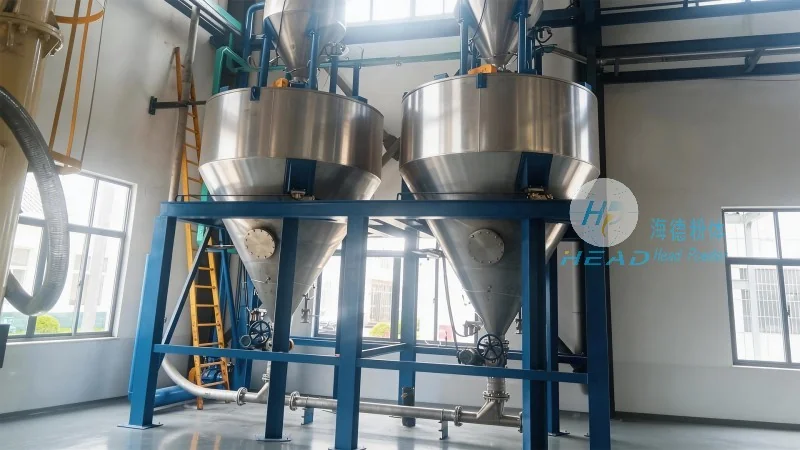
Resin delivery systems are designed to transport resin from storage tanks or containers to processing equipment such as mixers, injection molding machines, or extruders. The primary goal is to ensure a consistent and controlled flow of resin, which is vital for achieving uniform product properties and minimizing defects. Various methods are employed, each with its own advantages and applications. The selection of a resin delivery method depends on factors like resin type, viscosity, production volume, and the specific requirements of the manufacturing process.
Common Resin Delivery Methods
There are several common resin delivery methods used in industrial settings. The most prevalent include pump-based systems, gravity-fed systems, and pressure-fed systems. Each method offers distinct characteristics that make it suitable for different scenarios. For instance, pump systems provide precise control over flow rates and pressure, making them ideal for high-viscosity resins and demanding production environments. Gravity-fed systems, on the other hand, rely on the natural force of gravity to move resin, which is cost-effective and simple to implement for low-viscosity resins in smaller-scale operations.
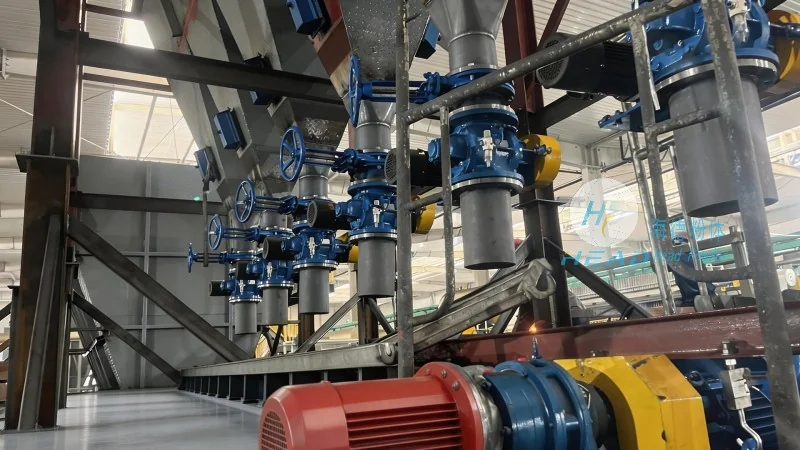
Pump-Based Resin Delivery Systems
Pump-based systems are widely used in resin delivery due to their ability to handle a wide range of resin viscosities and provide consistent pressure. These systems typically utilize positive displacement pumps or centrifugal pumps, depending on the specific resin characteristics. Positive displacement pumps, such as gear pumps or piston pumps, are particularly effective for high-viscosity resins as they maintain a constant flow rate regardless of pressure changes. This ensures stable resin delivery to processing equipment, reducing the risk of pressure fluctuations that could affect product consistency. The pump system also includes components like filters, strainers, and pressure regulators to ensure the resin is clean and the flow is controlled. The use of pump-based systems allows for precise control over the resin delivery process, which is crucial for applications requiring tight tolerances, such as in the production of high-quality molded parts.
Gravity-Fed Resin Delivery Systems
Gravity-fed systems are a simpler and more economical alternative to pump systems, especially for low-viscosity resins and smaller production volumes. In this method, resin is stored in elevated tanks or containers, and the force of gravity pulls the resin down through a piping system to the processing equipment. The system typically includes a reservoir, a filter, and a flow control valve to regulate the resin flow. Gravity-fed systems are particularly suitable for applications where the resin viscosity is low and the production rate is not high. They are commonly used in smaller-scale operations or in situations where the cost of a pump system is not justified. The main advantage of gravity-fed systems is their low maintenance requirements and minimal energy consumption, as they do not rely on external power sources for operation. However, they are limited by the height of the reservoir and the distance the resin needs to travel, as these factors affect the flow rate and pressure available at the processing equipment.
Pressure-Fed Resin Delivery Systems
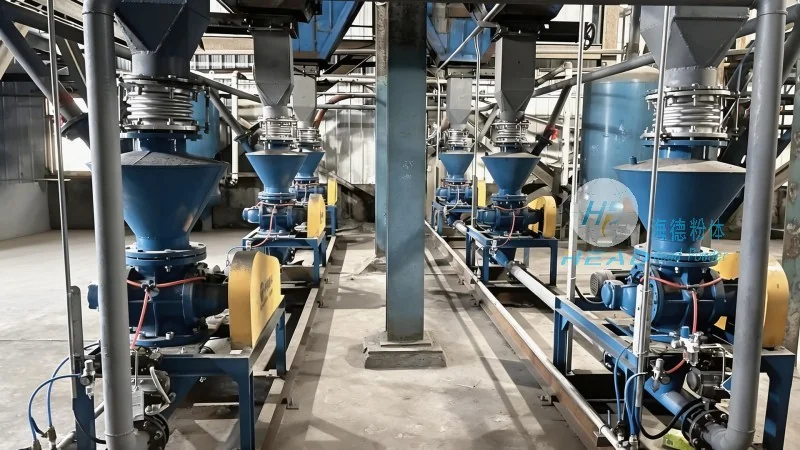
Pressure-fed systems combine elements of both pump and gravity-fed systems, using a pump to maintain pressure in the resin delivery line while also utilizing gravity to assist in the flow. This approach is often used for medium to high-viscosity resins where a consistent pressure is required but the resin is not too thick to be moved solely by gravity. The system typically includes a pressure pump, a reservoir, and a piping network that allows the resin to flow under pressure to the processing equipment. The pressure pump ensures that the resin is delivered at a controlled pressure, which is essential for maintaining the flow rate and preventing clogging in the system. The reservoir serves as a storage tank, providing a buffer of resin to ensure a continuous supply even during periods of high demand. Pressure-fed systems are versatile and can be adapted to various resin types and production scales, making them a popular choice in many industrial applications.
Factors Influencing Resin Delivery Method Selection
The choice of resin delivery method is influenced by several key factors that must be carefully considered to ensure optimal performance and cost-effectiveness. The first factor is the resin's viscosity, which directly impacts the required flow rate and pressure. High-viscosity resins, such as epoxy or polyester resins, typically require pump-based systems to maintain a consistent flow, while low-viscosity resins like acrylics may be suitable for gravity-fed systems. The second factor is the production volume and throughput requirements. High-volume production lines often benefit from pump systems that can handle large volumes of resin at a steady rate, whereas low-volume operations may find gravity-fed systems more economical. The third factor is the distance between the resin storage and the processing equipment. Longer distances may necessitate the use of pumps or pressure systems to overcome friction losses and maintain adequate pressure at the equipment. Additionally, the available space and budget constraints play a significant role in the selection process, as different systems have varying installation and maintenance costs.
Advantages and Disadvantages of Each Method
Each resin delivery method has its own set of advantages and disadvantages, which should be evaluated based on the specific application requirements. Pump-based systems offer high control over flow and pressure, making them suitable for precision applications, but they require regular maintenance and can be more expensive to install and operate. Gravity-fed systems are cost-effective and low-maintenance, but they are limited by the height of the reservoir and the resin viscosity, and may not provide sufficient pressure for high-viscosity resins. Pressure-fed systems offer a balance between the two, providing consistent pressure and flow while being more adaptable to different resin types and production scales. However, they may require more complex piping and control systems, increasing the overall system complexity and cost. The choice of method should be based on a thorough analysis of the resin properties, production needs, and operational constraints to ensure the most efficient and reliable resin delivery solution.
Conclusion
In conclusion, the selection of a resin delivery method is a critical decision that impacts the efficiency and quality of industrial operations. Understanding the different methods available, including pump-based, gravity-fed, and pressure-fed systems, is essential for choosing the most suitable solution for specific applications. Factors such as resin viscosity, production volume, and system requirements must be carefully considered to ensure optimal performance. Companies like Shandong HeadPowder Engineering Co., Ltd., a leading provider of resin delivery solutions, specialize in designing and implementing efficient resin delivery systems tailored to the specific needs of industrial clients. By leveraging their expertise in resin handling and processing, HeadPowder ensures that clients can select the most appropriate delivery method, whether it's a pump-based system for high-viscosity resins or a gravity-fed system for low-viscosity applications. The company's commitment to quality and innovation has made it a trusted partner in the industry, helping businesses optimize their resin delivery processes and achieve higher levels of productivity and profitability.

 Công ty TNHH Kỹ thuật Công trình Bột Hải Đức Sơn Đông
 156-6277-7102(Quản lý Trương)
  0531-83386006
  Quận Chương Khâu, Thành phố Tế Nam, Tỉnh Sơn Đông, Trung Quốc
Điện thoại
WeChatTư vấn
Lên đầu