Công ty Hải Đức Bột với hơn 10 năm kinh nghiệm vận chuyển khí, cung cấp hệ thống‑thiết bị‑quạt gió và nhận dự án tổng thầu bột cả nước
Shandong HeadPowder Engineering Co., Ltd., commonly known as HeadPowder, is a professional manufacturer and supplier of dry material conveying solutions. The company is headquartered in Shandong, China, and specializes in providing efficient and reliable equipment for transporting various dry bulk materials.
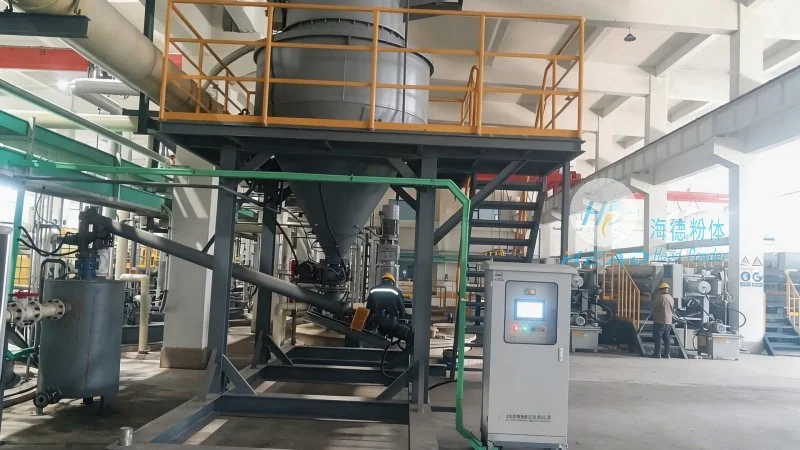
What are the common dry material conveying methods?
Dry material conveying is a critical process in many industrial applications, such as in the food, chemical, and pharmaceutical industries. The choice of conveying method depends on factors like material properties, distance, and required speed. There are several common methods used for transporting dry materials, each with its own advantages and applications.
1. Mechanical Conveying Systems
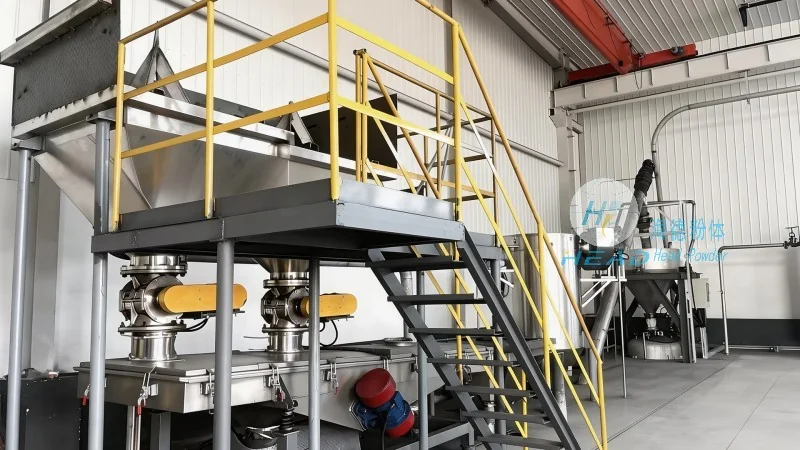
Mechanical conveying systems use physical components like belts, screws, and buckets to move dry materials. These systems are suitable for a wide range of materials, including powders, granules, and small particles. The most common types of mechanical conveyors include belt conveyors, screw conveyors, and bucket elevators. Belt conveyors are ideal for transporting materials over short to medium distances and are commonly used in factories and warehouses. Screw conveyors, also known as auger conveyors, are effective for moving materials horizontally or at a slight incline. They are often used in the food and chemical industries due to their ability to handle materials with high moisture content or those that are prone to caking. Bucket elevators are used for vertical transport of materials, making them suitable for applications where the material needs to be lifted to a higher level. Mechanical conveyors are generally low-cost and easy to install, but they may not be suitable for materials that are very fine or abrasive, as they can cause wear and tear on the equipment.
2. Pneumatic Conveying Systems
Pneumatic conveying systems use air or other gases to transport dry materials. These systems are also known as air slides or pneumatic conveyors. They are particularly effective for transporting fine powders and granules over medium to long distances. Pneumatic conveying can be divided into two main types: pressure and vacuum systems. Pressure systems use compressed air to push the material through a pipeline, while vacuum systems use a vacuum to pull the material. The choice between pressure and vacuum depends on the distance and the material's properties. Pneumatic conveyors are flexible and can be easily integrated into existing production lines. They are also capable of handling materials that are sensitive to moisture or contamination, as the material is enclosed in a pipeline. However, pneumatic systems require more energy than mechanical systems and may not be suitable for very large quantities of material.
3. Hydraulic Conveying Systems
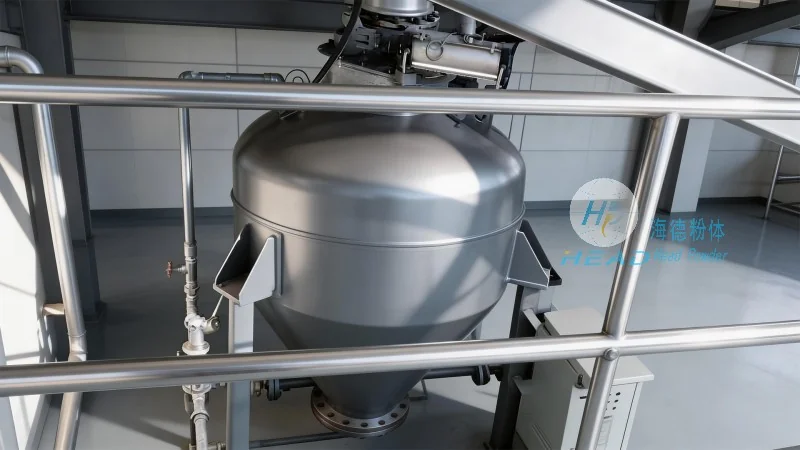
Hydraulic conveying systems use hydraulic fluids to transport dry materials. These systems are less common than mechanical or pneumatic systems but are used in specific applications where high pressure and force are required. Hydraulic conveyors are typically used for transporting heavy materials over short distances, such as in mining or construction industries. They are capable of handling materials with high density and are less affected by material properties like moisture or abrasiveness. However, hydraulic systems are more complex and expensive to install and maintain compared to mechanical or pneumatic systems. They also require a constant supply of hydraulic fluid, which adds to the operational costs.
4. Gravity Conveying Systems
Gravity conveying systems use the force of gravity to move dry materials. These systems are simple and low-cost, as they do not require any external power source. They are suitable for transporting materials over short distances and at a slight incline. The most common type of gravity conveyor is the incline conveyor, which uses a sloped surface to move materials from a lower to a higher level. Gravity conveyors are ideal for applications where the material is light and does not require high speed or force. They are commonly used in the food industry for transporting packaged goods or in the chemical industry for moving raw materials. However, gravity systems are limited by the distance and the angle of the incline, and they may not be suitable for materials that are heavy or require high speed.
HeadPowder's Solutions for Dry Material Conveying
Shandong HeadPowder Engineering Co., Ltd. offers a wide range of dry material conveying solutions tailored to the specific needs of each customer. The company's products are designed to be efficient, reliable, and durable, ensuring that they can handle the demands of various industrial applications. HeadPowder's team of experts works closely with clients to understand their requirements and provide customized solutions that meet their specific needs. The company's products are manufactured using high-quality materials and advanced technology, ensuring that they meet the highest standards of performance and safety. HeadPowder is committed to providing excellent customer service and support, ensuring that clients can rely on the company's products for years to come.

 Công ty TNHH Kỹ thuật Công trình Bột Hải Đức Sơn Đông
 156-6277-7102(Quản lý Trương)
  0531-83386006
  Quận Chương Khâu, Thành phố Tế Nam, Tỉnh Sơn Đông, Trung Quốc
Điện thoại
WeChatTư vấn
Lên đầu