Công ty Hải Đức Bột với hơn 10 năm kinh nghiệm vận chuyển khí, cung cấp hệ thống‑thiết bị‑quạt gió và nhận dự án tổng thầu bột cả nước
When it comes to handling bran, an essential byproduct in the grain processing industry, the choice of conveying method can significantly impact operational efficiency and product quality. Bran, with its fine texture and potential for dust generation, requires specialized equipment to ensure safe and effective transport. This article explores the primary types of bran conveying methods used in industrial settings, highlighting the advantages and typical applications of each system. As a leading provider of industrial conveying solutions, Shandong HeadPowder Engineering Co., Ltd. (headpowder) specializes in designing and manufacturing equipment tailored to the unique needs of bran handling, with operations based in Shandong, China.
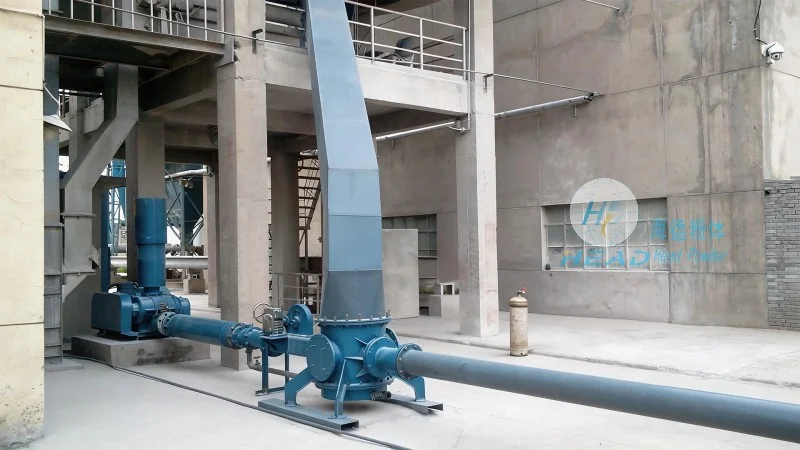
1. Screw Conveyors for Bran Transport
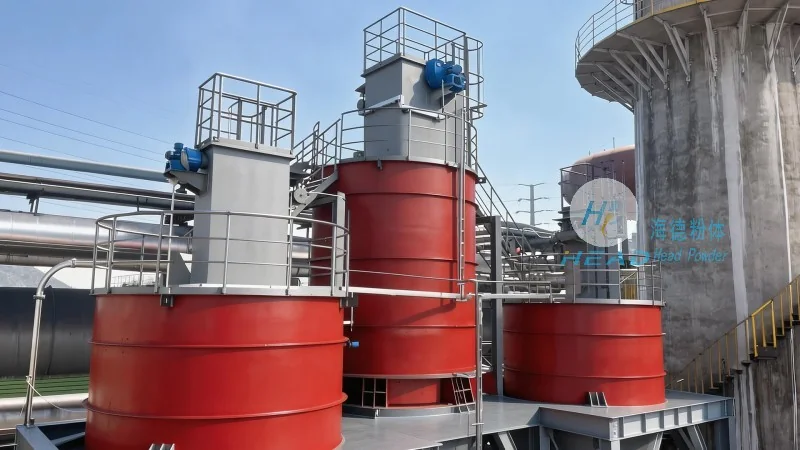
Screw conveyors, also known as auger conveyors, are among the most common solutions for moving bran. These systems consist of a rotating helical screw inside a cylindrical tube, which pulls bran material along the length of the conveyor. The design allows for vertical or inclined transport, making them versatile for various plant layouts. One key advantage of screw conveyors is their ability to handle bran with minimal dust dispersion, as the enclosed tube reduces exposure to the air. They are particularly suitable for applications where bran needs to be moved over short to medium distances, such as from a grinder to a storage silo or a processing unit. The smooth operation of screw conveyors also minimizes product degradation, preserving the bran's nutritional value and texture. However, it's important to note that screw conveyors may not be ideal for very fine or highly abrasive bran, as the screw and tube can experience wear over time. Regular maintenance, including lubrication and inspection of the screw and housing, is crucial to ensure long-term performance.
2. Pneumatic Conveying Systems for Bran
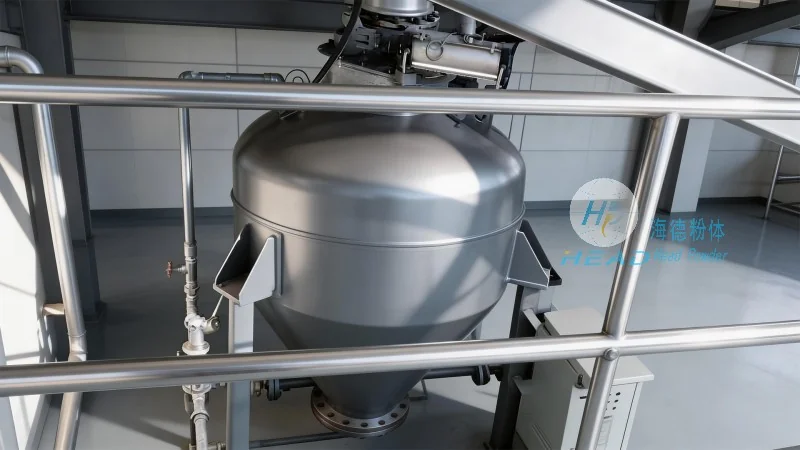
Pneumatic conveying, or air-based transport, offers a more dynamic approach to moving bran. This method uses compressed air to create a flow that carries bran particles through a pipeline. There are two main types of pneumatic systems: dilute-phase and dense-phase. Dilute-phase systems are suitable for transporting bran over longer distances, as they rely on a continuous stream of air to keep the material suspended. Dense-phase systems, on the other hand, use higher air pressure and lower air-to-material ratios, making them ideal for handling finer bran or products that are more prone to segregation. Pneumatic conveying is highly effective in reducing dust exposure and preventing contamination, as the bran is contained within the pipeline. This method is particularly beneficial in environments where dust control is a priority, such as in food processing facilities. Additionally, pneumatic systems can be integrated with other processing equipment, allowing for seamless transfer of bran to storage or further processing stages. However, the initial investment for pneumatic conveyors is typically higher than for mechanical systems like screw conveyors, and they require regular checks on air pressure and pipeline integrity to prevent leaks or blockages.

 Công ty TNHH Kỹ thuật Công trình Bột Hải Đức Sơn Đông
 156-6277-7102(Quản lý Trương)
  0531-83386006
  Quận Chương Khâu, Thành phố Tế Nam, Tỉnh Sơn Đông, Trung Quốc
Điện thoại
WeChatTư vấn
Lên đầu