Công ty Hải Đức Bột với hơn 10 năm kinh nghiệm vận chuyển khí, cung cấp hệ thống‑thiết bị‑quạt gió và nhận dự án tổng thầu bột cả nước
Calcium hydroxide, also known as slaked lime, is a critical chemical in numerous industrial processes. Its effective conveyance is essential for ensuring smooth operations and maintaining safety standards in manufacturing and processing facilities. This article explores the various methods employed for transporting calcium hydroxide, detailing the technical considerations and practical applications of each approach.
1. Pneumatic Conveying Systems
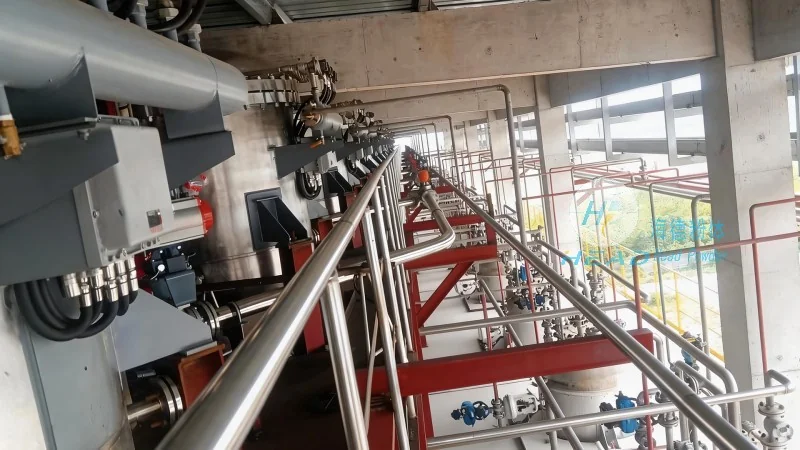
Pneumatic conveying is a popular method for transporting calcium hydroxide, especially in applications requiring high efficiency and minimal dust exposure. This technique involves using air pressure to move the material through a pipeline. The system typically consists of a hopper, a rotary valve, and a conveying line. The material is fed into the hopper, and as air is introduced, it creates a flow that carries the calcium hydroxide through the pipeline to the destination. Pneumatic systems are particularly effective for handling fine powders and can be designed for both low and high-pressure operations. The choice between positive and negative pressure systems depends on the specific requirements of the application, such as the distance and material characteristics. For instance, in industrial settings where calcium hydroxide is used in water treatment or chemical manufacturing, pneumatic conveyors can ensure a consistent and controlled flow, reducing the risk of material buildup or clogging. The technology behind pneumatic conveying allows for precise control over the material's movement, making it suitable for applications that demand accuracy and reliability. Companies like Shandong HeadPowder Engineering Co., Ltd. specialize in designing and implementing such systems, ensuring that the conveyance process meets the highest standards of efficiency and safety.
2. Screw Conveyors
Screw conveyors, also known as auger conveyors, are another common method for transporting calcium hydroxide. These systems use a rotating screw or auger to move the material along a trough. The screw is typically made of durable materials like stainless steel or high-grade plastic to withstand the abrasive nature of calcium hydroxide. The conveyor's design allows for vertical or horizontal transport, depending on the layout of the facility. The speed of the screw and the pitch of the threads can be adjusted to control the flow rate and prevent material from sticking or clogging. Screw conveyors are particularly effective for handling bulk quantities of calcium hydroxide and can be integrated with other processing equipment, such as mixers or storage silos. The simplicity of screw conveyors makes them a cost-effective solution for many industrial applications. However, they may not be suitable for very fine powders, as the risk of clogging increases with particle size. In such cases, additional measures, like adding a lubricant or using a more robust screw design, may be necessary. The reliability of screw conveyors has made them a staple in the calcium hydroxide industry, with companies like HeadPowder providing tailored solutions to meet the diverse needs of their clients.
3. Belt Conveyors
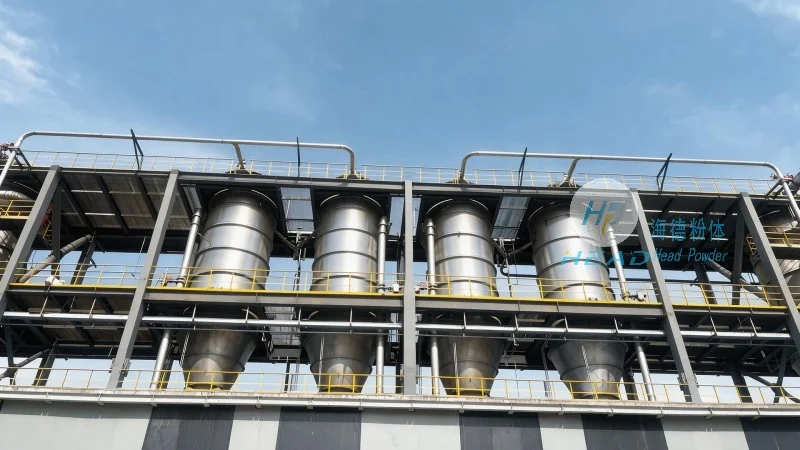
Belt conveyors are widely used for the horizontal transport of calcium hydroxide, especially in large-scale operations. These systems consist of a continuous belt that moves over rollers or pulleys, transporting the material from one point to another. The belt is typically made of durable materials like rubber or synthetic fabrics, which can handle the weight and abrasiveness of calcium hydroxide. The design of the conveyor system allows for long distances and high material throughput, making it ideal for applications where large quantities of calcium hydroxide need to be moved. Belt conveyors can be equipped with various accessories, such as feed hoppers, discharge chutes, and safety guards, to enhance their functionality and safety. The speed of the belt and the width of the conveyor can be adjusted to accommodate different material volumes and characteristics. For example, in mining or chemical processing facilities, belt conveyors are used to transport calcium hydroxide from storage silos to processing units. The efficiency of belt conveyors is enhanced by their ability to handle a wide range of particle sizes and moisture content. Companies specializing in material handling, such as Shandong HeadPowder Engineering Co., Ltd., offer customized belt conveyor solutions that optimize the conveyance process for specific industrial needs.
4. Hydraulic Conveying
Hydraulic conveying is a less common but effective method for transporting calcium hydroxide, particularly in applications where the material is mixed with water or other liquids. This technique involves using a pump to move a slurry of calcium hydroxide through a pipeline. The slurry is created by mixing the powder with water in a tank, and the pump then forces it through the pipeline to the destination. Hydraulic systems are suitable for handling wet or sticky materials and can be used to transport calcium hydroxide in a liquid form, which may be required for certain industrial processes. The design of hydraulic conveyors includes components like pumps, valves, and pipelines, all of which must be capable of handling the pressure and flow rates associated with the slurry. The efficiency of hydraulic conveying depends on the viscosity of the slurry and the distance it needs to be transported. For shorter distances, this method can be highly effective, but for longer distances, the energy consumption and maintenance requirements may increase. Hydraulic systems are often used in conjunction with other processing equipment, such as reactors or filters, to integrate the conveyance process into the overall production workflow. Companies like HeadPowder provide hydraulic conveying solutions tailored to the specific requirements of their clients, ensuring that the process is both efficient and cost-effective.
5. Manual and Mechanical Handling
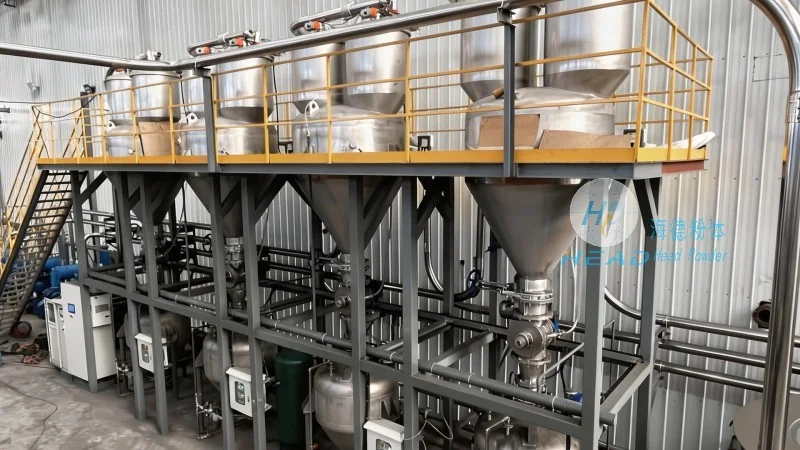
In some smaller-scale operations or for specific applications, manual and mechanical handling methods may be used for calcium hydroxide conveyance. These methods include using shovels, buckets, or forklifts to move the material. While less common in large industrial settings, they are practical for handling smaller quantities or for situations where specialized equipment is not available. Manual handling requires careful attention to safety, as calcium hydroxide can cause skin irritation or respiratory issues if not handled properly. Mechanical handling equipment, such as loaders or bucket elevators, can be used to move larger quantities of material with less labor. These systems are typically designed for specific applications and may require regular maintenance to ensure proper operation. The choice between manual and mechanical handling depends on the scale of the operation, the material characteristics, and the available resources. For example, in a small laboratory or a pilot plant, manual handling may be sufficient, while in a large industrial facility, mechanical systems are necessary. Companies specializing in material handling, such as Shandong HeadPowder Engineering Co., Ltd., offer a range of solutions to meet the diverse needs of their clients, from small-scale manual handling to large-scale automated systems.
Conclusion
The choice of calcium hydroxide conveyance method depends on several factors, including the material's characteristics, the distance to be transported, the required throughput, and the specific application. Pneumatic, screw, belt, hydraulic, and manual/mechanical systems each have their advantages and limitations. For efficient and safe conveyance, it is essential to select the appropriate method based on the operational requirements. Companies like Shandong HeadPowder Engineering Co., Ltd. provide expert guidance and customized solutions to ensure that the chosen conveyance method meets the needs of the industrial process. By understanding the technical aspects and practical considerations of each method, industries can optimize their calcium hydroxide handling processes, improving productivity and safety.

 Công ty TNHH Kỹ thuật Công trình Bột Hải Đức Sơn Đông
 156-6277-7102(Quản lý Trương)
  0531-83386006
  Quận Chương Khâu, Thành phố Tế Nam, Tỉnh Sơn Đông, Trung Quốc
Điện thoại
WeChatTư vấn
Lên đầu