Công ty Hải Đức Bột với hơn 10 năm kinh nghiệm vận chuyển khí, cung cấp hệ thống‑thiết bị‑quạt gió và nhận dự án tổng thầu bột cả nước
For industries dealing with silica micropowder, efficient and reliable conveyance is crucial to maintaining production efficiency and product quality. As a leading provider in the field, Shandong HeadPowder Engineering Co., Ltd. specializes in solutions tailored to the unique challenges of handling fine powders like silica micropowder. This article explores the primary methods of silica micropowder conveyance, highlighting the technologies and considerations that ensure safe and effective material transport.
Understanding Silica Micropowder and Conveyance Challenges
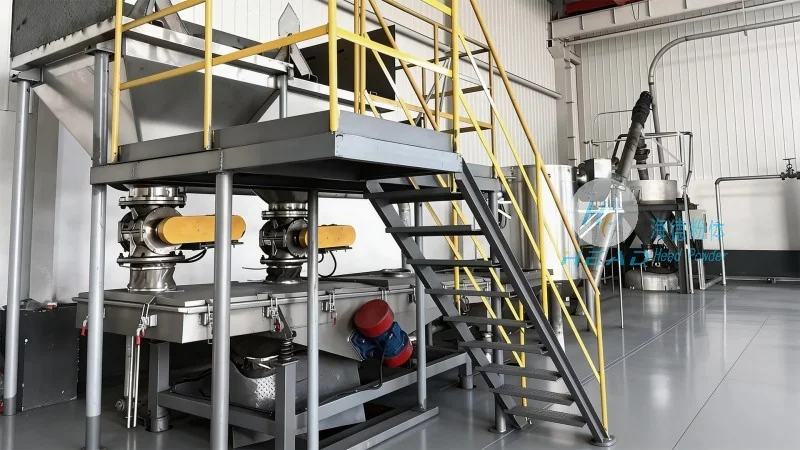
Silica micropowder, also known as fine silica powder, is characterized by its small particle size and high surface area. These properties make it highly susceptible to issues like dust accumulation, caking, and blockage during transport. Traditional bulk material handling methods often struggle with such fine powders, necessitating specialized equipment and techniques. The choice of conveyance method depends on factors including particle size distribution, moisture content, bulk density, and the required conveying distance. Shandong HeadPowder Engineering Co., Ltd. addresses these challenges by offering customized solutions that align with the specific characteristics of each silica micropowder application.
Common Methods for Silica Micropowder Conveyance
1. Air-Pressure Conveying (Pneumatic Conveying)
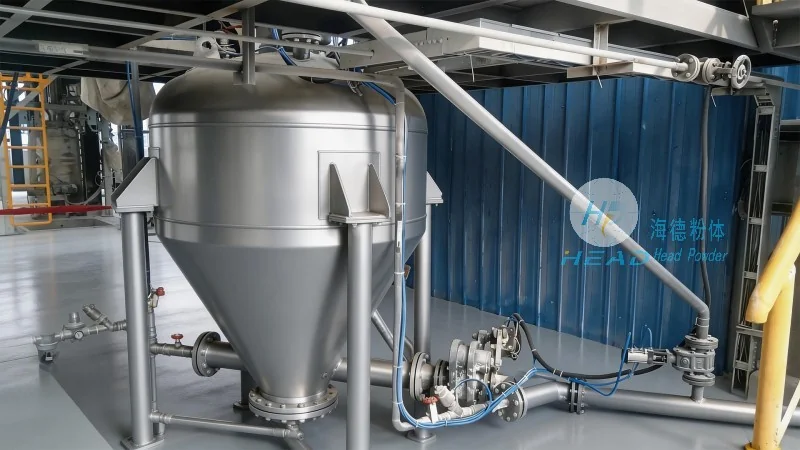
Air-pressure conveying, or pneumatic conveying, is one of the most widely used methods for transporting silica micropowder. This technique involves using compressed air to move the powder through a pipeline. There are two main types: pressure and vacuum systems. In pressure systems, air is introduced at the material inlet, creating a positive pressure that pushes the powder forward. Vacuum systems, on the other hand, use a vacuum at the discharge end to draw the powder through the line. The choice between pressure and vacuum depends on the distance to be covered and the material's properties. For silica micropowder, pressure systems are often preferred due to their ability to handle longer distances and higher volumes. Shandong HeadPowder Engineering Co., Ltd. utilizes advanced pneumatic conveying systems that ensure minimal particle degradation and efficient transport, even for delicate powders.
2. Mechanical Conveying
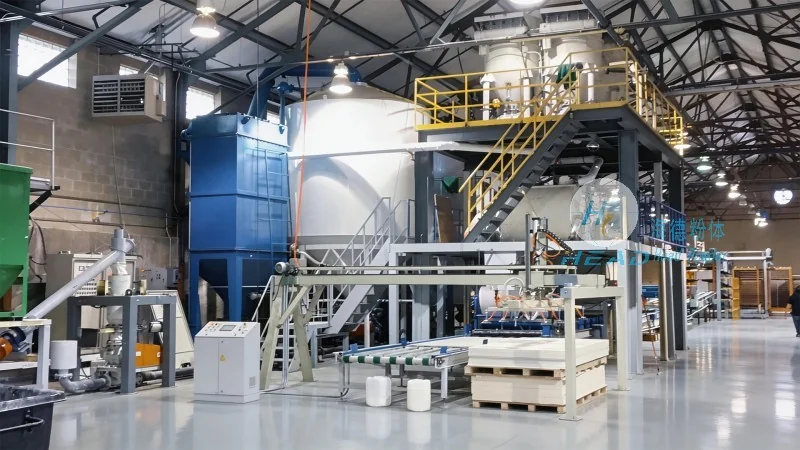
Mechanical conveying methods rely on mechanical components to move silica micropowder. The most common types include screw conveyors, belt conveyors, and bucket elevators. Screw conveyors use a rotating screw to push the powder along a trough, making them suitable for horizontal or slight incline transport. Belt conveyors, equipped with a continuous belt, are ideal for longer horizontal distances and can handle larger volumes. Bucket elevators, which lift the powder vertically, are effective for vertical transport but may require additional equipment for horizontal movement. Mechanical conveyors are generally more cost-effective for shorter distances and less abrasive materials. However, for silica micropowder, which can be abrasive and prone to caking, specialized designs are necessary to prevent wear and maintain efficiency. Shandong HeadPowder Engineering Co., Ltd. offers customized mechanical conveyors with materials like stainless steel or special coatings to withstand the demands of silica micropowder handling.
3. Hydraulic Conveying
Hydraulic conveying uses water or other liquids to transport silica micropowder. This method is particularly effective for materials that are difficult to handle via air or mechanical means. The powder is suspended in the liquid and pumped through pipelines. Hydraulic conveying is often used in applications where dust control is a priority, as the liquid helps to contain particles. However, it requires additional equipment for liquid handling and disposal, which can increase operational costs. Shandong HeadPowder Engineering Co., Ltd. may recommend hydraulic conveying for specific applications where other methods are not feasible, such as in environments with strict dust emission regulations.
4. Vacuum Conveying
Vacuum conveying is a variant of pneumatic conveying that uses a vacuum to draw the powder from the source to the destination. This method is well-suited for short to medium distances and is often used in applications where the powder needs to be collected from multiple points. Vacuum systems are typically more compact and require less space than pressure systems. They are also effective for handling powders with high moisture content or those that are prone to caking. Shandong HeadPowder Engineering Co., Ltd. employs vacuum conveying systems that are designed for efficient collection and transport of silica micropowder, ensuring minimal loss and consistent flow rates.
5. Screw Feeders and Auger Conveyors
Screw feeders and auger conveyors are specialized mechanical devices used for precise metering and conveying of silica micropowder. These systems are commonly used in batching and dosing applications where accurate control of powder flow is critical. The screw or auger rotates inside a housing, pushing the powder forward in a controlled manner. This method is particularly useful for preventing segregation and ensuring uniform material distribution. Shandong HeadPowder Engineering Co., Ltd. provides screw feeders with adjustable speeds and capacities, allowing for precise control over the amount of silica micropowder conveyed. These devices are often integrated with other processing equipment to create a seamless material handling system.
Choosing the Right Conveyance Method for Silica Micropowder
The selection of the most appropriate conveyance method for silica micropowder depends on several key factors. The first consideration is the distance between the source and destination. For short distances, mechanical conveyors or vacuum systems may be sufficient. For longer distances, pneumatic conveying is often the best option. Particle size and bulk density also play a significant role; finer powders may require air-pressure systems to prevent blockages. Moisture content and the tendency of the powder to cake or agglomerate are additional factors to consider. Shandong HeadPowder Engineering Co., Ltd. conducts thorough assessments of each application to recommend the most suitable conveyance method, ensuring optimal performance and minimal downtime. Their expertise in material handling allows them to address the unique challenges of silica micropowder, providing customized solutions that meet the specific needs of each client.
Conclusion
Efficient conveyance of silica micropowder is essential for maintaining production efficiency and product quality in various industries. Shandong HeadPowder Engineering Co., Ltd. offers a range of conveyance methods tailored to the specific requirements of silica micropowder handling. Whether through pneumatic, mechanical, hydraulic, or vacuum systems, their solutions are designed to ensure safe, reliable, and effective transport. By understanding the unique properties of silica micropowder and the available conveyance technologies, industries can select the most appropriate method to optimize their material handling processes. Shandong HeadPowder Engineering Co., Ltd. remains committed to providing innovative and effective solutions for silica micropowder conveyance, supporting clients in achieving their operational goals.

 Công ty TNHH Kỹ thuật Công trình Bột Hải Đức Sơn Đông
 156-6277-7102(Quản lý Trương)
  0531-83386006
  Quận Chương Khâu, Thành phố Tế Nam, Tỉnh Sơn Đông, Trung Quốc
Điện thoại
WeChatTư vấn
Lên đầu