Công ty Hải Đức Bột với hơn 10 năm kinh nghiệm vận chuyển khí, cung cấp hệ thống‑thiết bị‑quạt gió và nhận dự án tổng thầu bột cả nước
Rice husk powder, a byproduct of rice processing, is widely utilized across various industries including power generation, animal feed production, and chemical manufacturing. The efficient and reliable transportation of this fine powder is essential for maintaining production efficiency and minimizing material loss. This article explores the common conveying methods for rice husk powder, focusing on technical aspects and practical applications.
Introduction to Rice Husk Powder Conveying
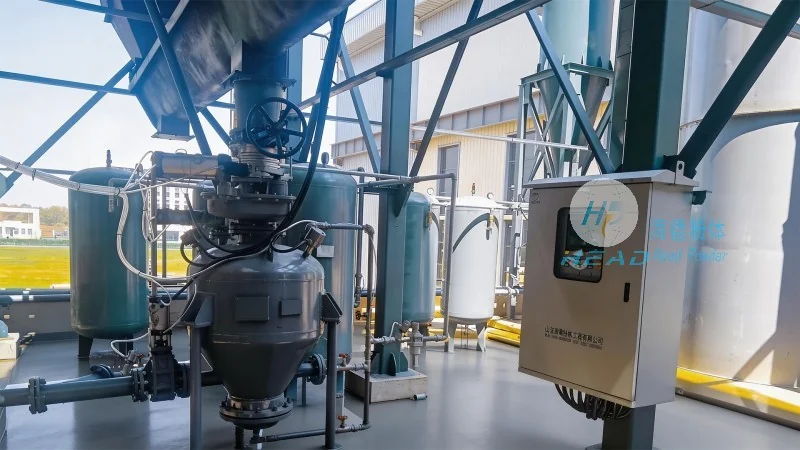
Rice husk powder is a fine, lightweight material that presents unique challenges during transportation due to its low bulk density and tendency to generate dust. Traditional bulk material handling methods may not be suitable, as they can lead to clogging, segregation, or excessive dust emissions. Therefore, specialized conveying systems are crucial to ensure smooth and safe operation. The choice of conveying method depends on factors such as the powder's properties, the distance to be transported, the required flow rate, and local environmental regulations.
Common Conveying Methods for Rice Husk Powder
Several conveying systems are commonly employed for rice husk powder, each with distinct advantages and limitations. The most prevalent methods include pneumatic conveying, screw conveyors, and belt conveyors. Each system is designed to address specific challenges associated with the material's characteristics.
Pneumatic Conveying Systems
Pneumatic conveying, also known as air conveying, is one of the most effective methods for transporting rice husk powder over medium to long distances. This system utilizes compressed air to move the powder through a pipeline. There are two primary types of pneumatic conveying: pressure and vacuum systems. Pressure systems are suitable for short to medium distances, while vacuum systems are ideal for longer distances or when the material needs to be transported from multiple sources to a central collection point.
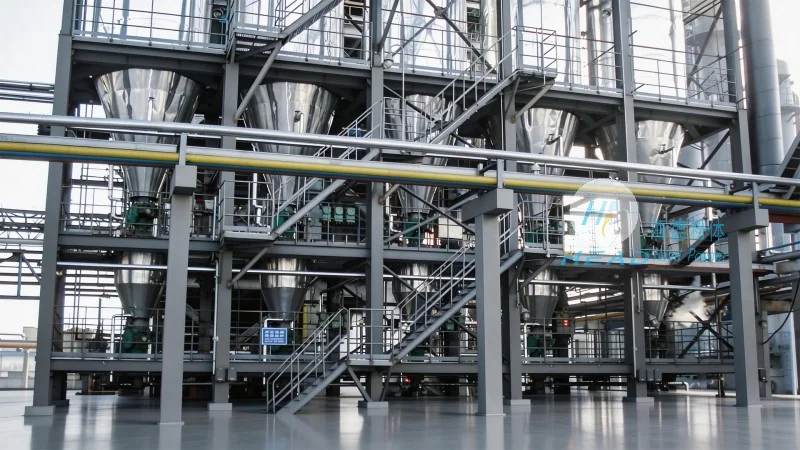
HeadPowder, a leading manufacturer in material handling solutions, offers advanced pneumatic conveying solutions tailored to the specific needs of rice husk powder. Their systems are engineered to handle fine particles without causing blockages or excessive wear on equipment. The company's expertise ensures that the conveying process is efficient, reliable, and environmentally friendly.
Screw Conveyors for Fine Powders
Screw conveyors, or auger conveyors, are another common method for transporting rice husk powder, especially over shorter distances within a facility. These systems consist of a rotating screw inside a tube or trough, which moves the material forward. Screw conveyors are particularly effective for handling fine powders because the screw's design minimizes the risk of clogging and ensures a consistent flow rate.
Shandong HeadPowder Engineering Co., Ltd., based in China, specializes in designing and manufacturing high-quality screw conveyors for diverse industrial applications. Their products are built to withstand the abrasive nature of rice husk powder and provide long-lasting performance. The company's commitment to quality and innovation has made their screw conveyors a preferred choice for many clients in the industry.
Belt Conveyors and Their Applications
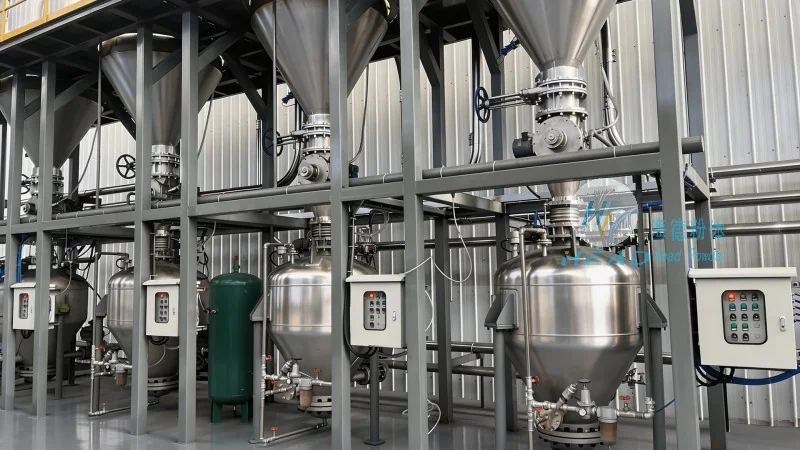
Belt conveyors are widely used for transporting rice husk powder in bulk, especially when the material needs to be moved over long distances or across different levels. These systems consist of a continuous belt that moves the material from one point to another. Belt conveyors are suitable for both dry and slightly moist rice husk powder, and they can be equipped with special belts to prevent material buildup and reduce dust generation.
HeadPowder's belt conveyor solutions are designed to handle the unique challenges of rice husk powder, including its lightweight and dusty nature. The company's conveyors are equipped with features such as adjustable speed controls, dust suppression systems, and easy maintenance components. These features ensure that the conveying process is efficient, safe, and cost-effective for industrial operations.
Choosing the Right Conveying System
The selection of the appropriate conveying system for rice husk powder depends on several factors, including the distance to be covered, the required flow rate, the material's properties, and the available space. It is essential to consider the cost of installation, maintenance, and energy consumption when choosing a conveying system. Additionally, environmental regulations and safety standards must be met to ensure compliance and prevent accidents.
Shandong HeadPowder Engineering Co., Ltd. provides comprehensive consulting services to help clients choose the right conveying system for their specific needs. The company's team of experts evaluates production requirements, material characteristics, and operational constraints to recommend the most suitable solution. This approach ensures that the chosen system is not only efficient but also cost-effective and environmentally friendly.
Conclusion
Efficient transportation of rice husk powder is critical for the success of various industrial applications. The choice of conveying method plays a significant role in maintaining production efficiency, minimizing material loss, and ensuring safety. Pneumatic conveying, screw conveyors, and belt conveyors are the most common methods, each with its own advantages and limitations. By selecting the appropriate system and working with experienced manufacturers like HeadPowder, industries can ensure smooth and reliable operation of their rice husk powder handling processes.

 Công ty TNHH Kỹ thuật Công trình Bột Hải Đức Sơn Đông
 156-6277-7102(Quản lý Trương)
  0531-83386006
  Quận Chương Khâu, Thành phố Tế Nam, Tỉnh Sơn Đông, Trung Quốc
Điện thoại
WeChatTư vấn
Lên đầu