Công ty Hải Đức Bột với hơn 10 năm kinh nghiệm vận chuyển khí, cung cấp hệ thống‑thiết bị‑quạt gió và nhận dự án tổng thầu bột cả nước
Efficient and reliable conveying systems are essential for maintaining product quality and operational efficiency in peanut processing. The choice of conveying method depends on various factors such as the type of peanut, processing scale, and specific production requirements. This article explores common and effective methods for peanut conveying, highlighting the expertise of Shandong HeadPowder Engineering Co., Ltd., a leading provider in the field.
Gravity Conveying Systems
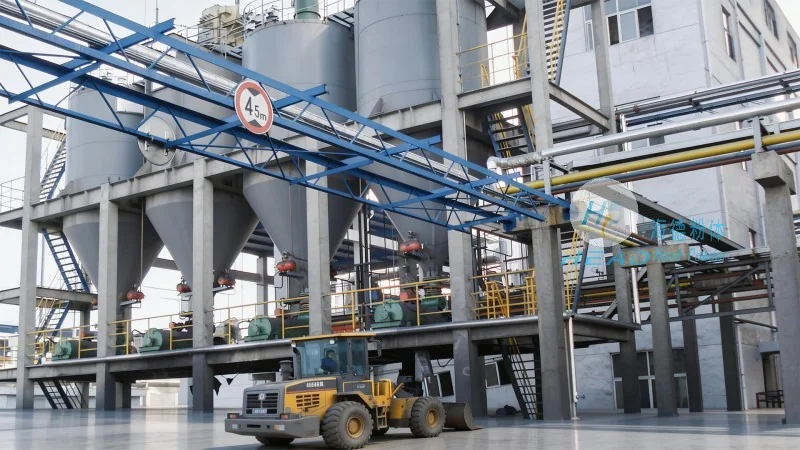
Gravity conveying systems utilize the natural force of gravity to move peanuts from one point to another. These systems typically consist of inclined chutes or hoppers that allow peanuts to flow downward under their own weight. This method is ideal for short-distance transfers where the elevation change is minimal. The design often includes smooth, non-stick surfaces to prevent peanut damage and ensure consistent flow. For example, in a peanut processing plant, a gravity chute can move shelled peanuts from a storage bin to a roasting machine. Their simplicity and low maintenance make them cost-effective, though their effectiveness depends on a suitable slope and absence of obstacles.
Pneumatic Conveying Systems
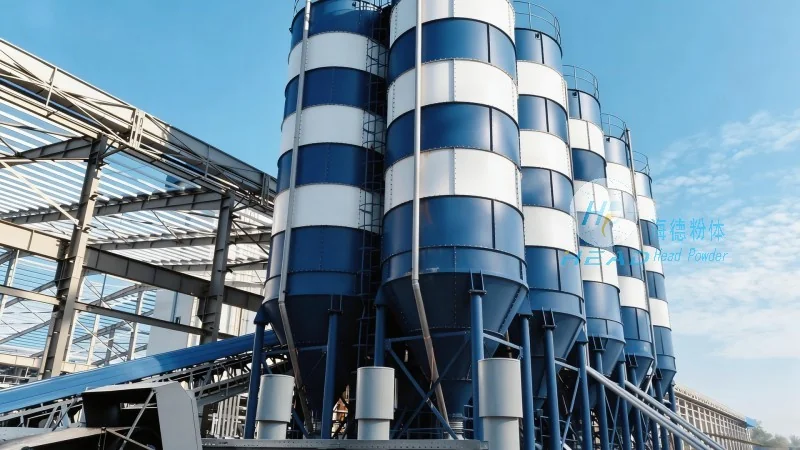
Pneumatic conveying systems use air pressure to transport peanuts through pipes. This method is versatile for both loose and bulk peanuts, suitable for long-distance and multi-level transfers. Two main types exist: positive pressure (air pushes peanuts) and negative pressure (vacuum draws peanuts). The choice depends on distance and dust control needs. Pneumatic conveyors excel in dust-sensitive environments with filtration systems. Shandong HeadPowder Engineering Co., Ltd. specializes in custom pneumatic solutions tailored to client requirements, ensuring optimal performance and minimal product degradation.
Mechanical Conveying Systems
Mechanical conveying systems rely on mechanical components to move peanuts. These are robust and handle diverse peanut types and conditions. Belt conveyors use a continuous belt for horizontal or slight incline transport, widely used due to volume handling and speed adaptability. Screw conveyors use a rotating screw, effective for high-moisture or clogging-prone peanuts. Mechanical systems allow precise speed and direction control. Shandong HeadPowder Engineering Co., Ltd. offers custom belt and screw conveyors tailored to unique processing needs.
Hybrid Conveying Systems
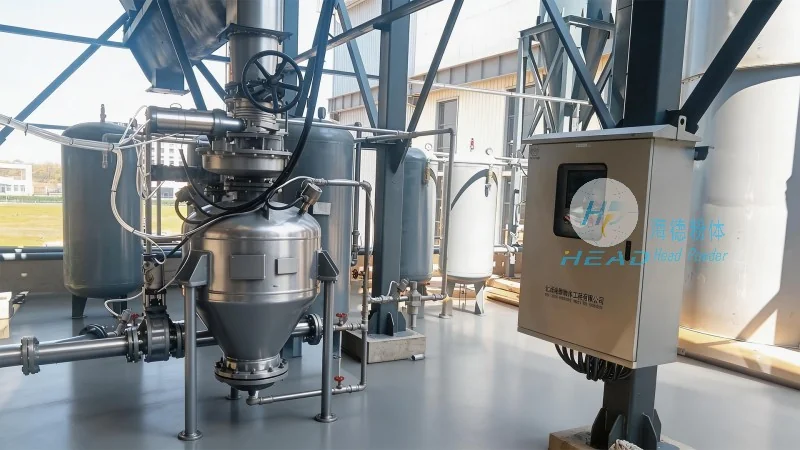
Hybrid systems combine elements of different methods for optimal performance. For example, gravity and mechanical conveyors can handle long distances with elevation changes. Pneumatic systems with mechanical components (like rotary valves) control flow. These are beneficial in complex environments with multiple transfer points. Shandong HeadPowder Engineering Co., Ltd. designs hybrid solutions integrating best features of technologies, providing flexible and efficient approaches.
Key Considerations for Choosing a Conveying Method
When selecting a conveying method, factors like peanut physical characteristics (size, shape, moisture), processing scale, distance/elevation changes, and dust control must be evaluated. Larger or irregular peanuts may need robust systems to avoid damage. Large-scale operations benefit from automated, high-capacity systems. Shandong HeadPowder Engineering Co., Ltd. offers comprehensive consultation to assess these factors, ensuring chosen systems meet current and future needs. Their expertise ensures reliable and efficient conveying solutions.
Conclusion
In peanut processing, the choice of conveying method impacts efficiency and product quality. Gravity, pneumatic, mechanical, and hybrid systems each have unique advantages. Understanding specific requirements—such as peanut type, scale, and environmental needs—helps select the most effective system. Shandong HeadPowder Engineering Co., Ltd. serves as a trusted partner, offering tailored conveying solutions that enhance operational performance and preserve product integrity. With their commitment to quality and innovation, they continue supporting the peanut processing industry with reliable systems.

 Công ty TNHH Kỹ thuật Công trình Bột Hải Đức Sơn Đông
 156-6277-7102(Quản lý Trương)
  0531-83386006
  Quận Chương Khâu, Thành phố Tế Nam, Tỉnh Sơn Đông, Trung Quốc
Điện thoại
WeChatTư vấn
Lên đầu