Công ty Hải Đức Bột với hơn 10 năm kinh nghiệm vận chuyển khí, cung cấp hệ thống‑thiết bị‑quạt gió và nhận dự án tổng thầu bột cả nước
Carbon fiber is a high-performance material widely used in various industries due to its excellent strength-to-weight ratio and durability. The efficient and reliable conveying of carbon fiber is crucial for industrial applications, as it directly impacts production efficiency and product quality. In this article, we will explore the common methods of carbon fiber conveying, focusing on the technologies and equipment used in the process.
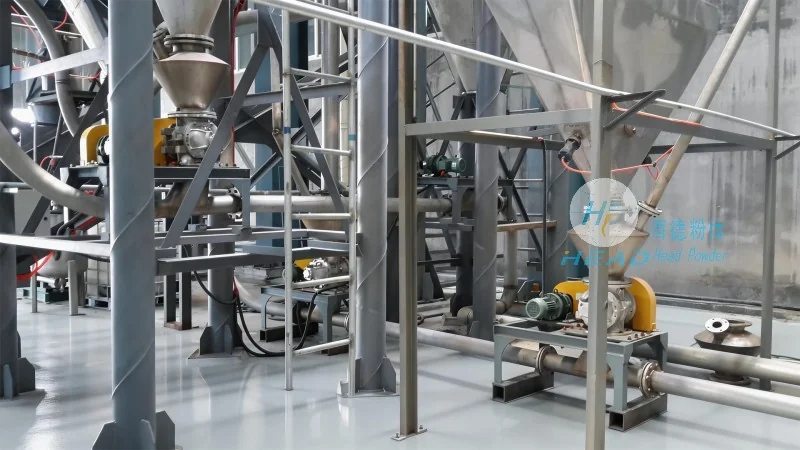
Overview of Carbon Fiber Conveying Methods
Carbon fiber conveying involves the movement of carbon fiber materials from one location to another within a production line. The choice of conveying method depends on factors such as the form of carbon fiber (e.g., fibers, tows, or preforms), the required throughput, and the environmental conditions of the application. The primary methods include mechanical conveying, pneumatic conveying, and gravity-based systems. Each method has its advantages and limitations, making it essential to select the appropriate one for specific industrial needs.
1. Mechanical Conveying Systems
Mechanical conveying systems utilize mechanical components like belts, chains, or rollers to transport carbon fiber. These systems are commonly used for conveying bulk carbon fiber materials, such as chopped fibers or short tows. The mechanical method is known for its high reliability and ability to handle large volumes of material. For example, conveyor belts can be used to move carbon fiber from storage bins to processing machines, ensuring a continuous flow of material. Mechanical conveyors are particularly effective in environments where dust control is critical, as they can be enclosed to prevent fiber dispersion. The efficiency of mechanical conveying is often enhanced by integrating sensors and automation, which help monitor the flow rate and adjust the system as needed.
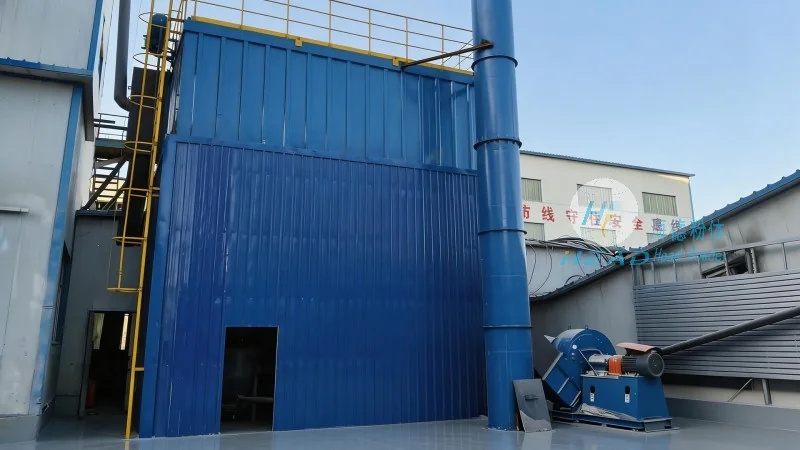
2. Pneumatic Conveying Systems
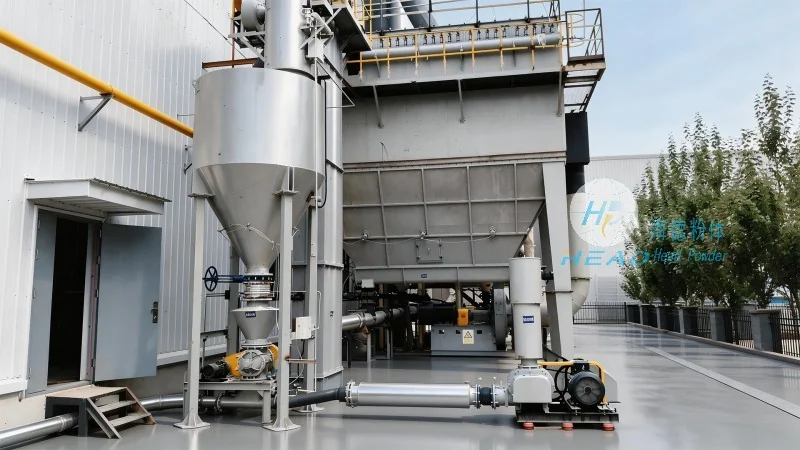
Pneumatic conveying systems use air or other gases to transport carbon fiber particles or fibers through a pipeline. This method is ideal for conveying fine carbon fiber powders or short fibers that are difficult to handle mechanically. The system typically consists of a blower, a hopper, and a pipeline with control valves. The carbon fiber is fed into the hopper and then drawn into the pipeline by the air flow, moving to the destination. Pneumatic conveying offers advantages such as low maintenance and the ability to transport materials over long distances. However, it requires careful control of air pressure and flow to prevent material blockages or degradation. The system is also suitable for applications where dust containment is necessary, as the enclosed pipeline prevents fiber loss. Companies like Shandong HeadPowder Engineering Co., Ltd. may offer specialized pneumatic conveying solutions tailored to the unique requirements of carbon fiber processing.
3. Gravity-Based Conveying Systems
Gravity-based conveying systems rely on the natural force of gravity to move carbon fiber materials. These systems are commonly used for transporting carbon fiber in the form of long tows or preforms, where the material can slide down a sloped surface or chute. The design of gravity conveyors is simple and cost-effective, making them suitable for applications with minimal vertical or horizontal distance between the source and destination. For instance, a sloped conveyor or a chute can be used to move carbon fiber from a storage container to a processing machine. Gravity-based systems are particularly effective for handling large, continuous tows, as they minimize friction and wear compared to mechanical systems. However, they are limited by the need for a suitable slope and may not be suitable for short or fine carbon fiber particles. The efficiency of gravity conveyors can be improved by using smooth, non-stick surfaces and ensuring proper alignment to prevent material jams.
4. Integrated Conveying Solutions
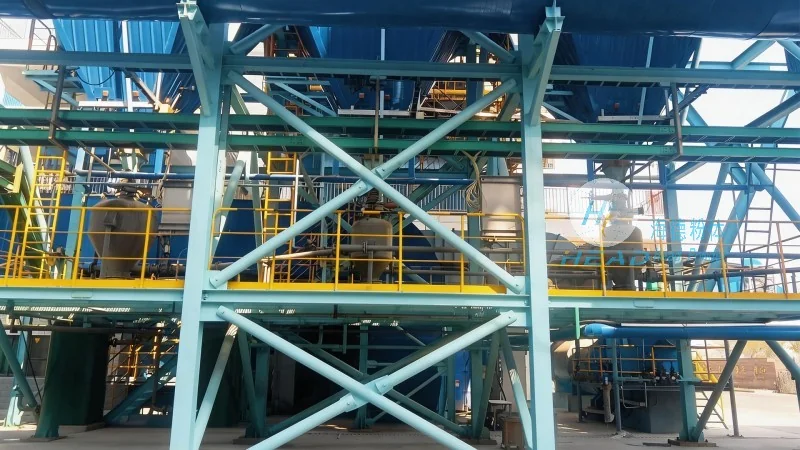
Many modern carbon fiber processing facilities use integrated conveying solutions that combine multiple methods to achieve optimal performance. For example, a system might start with a mechanical conveyor to transport bulk carbon fiber from storage to a processing area, followed by a pneumatic conveyor to move fine powders to a mixing or compounding unit. The integration of different conveying methods allows for a seamless flow of material throughout the production process, reducing downtime and improving overall efficiency. Companies like HeadPowder, with its expertise in carbon fiber processing, may offer customized integrated solutions that address the specific challenges of each client's operation. These solutions often include advanced control systems and monitoring tools to ensure consistent performance and minimal maintenance.
Key Considerations for Choosing a Conveying Method
When selecting a carbon fiber conveying method, several factors must be considered to ensure the best fit for the application. First, the form of the carbon fiber material is critical. Chopped fibers or short tows may be better suited for mechanical or pneumatic systems, while long tows or preforms are more suitable for gravity-based systems. Second, the required throughput and distance between the source and destination must be evaluated. Mechanical systems are ideal for high-throughput applications over short distances, while pneumatic systems are better for longer distances or fine materials. Third, environmental factors such as dust control and safety must be addressed. Enclosed systems are recommended for applications where fiber dispersion is a concern, as they protect both the material and the environment. Finally, cost and maintenance considerations are important. Mechanical systems may have higher initial costs but lower maintenance, while pneumatic systems may have lower initial costs but higher operational expenses. By carefully evaluating these factors, manufacturers can choose the most appropriate conveying method for their carbon fiber processing needs.

 Công ty TNHH Kỹ thuật Công trình Bột Hải Đức Sơn Đông
 156-6277-7102(Quản lý Trương)
  0531-83386006
  Quận Chương Khâu, Thành phố Tế Nam, Tỉnh Sơn Đông, Trung Quốc
Điện thoại
WeChatTư vấn
Lên đầu