Công ty Hải Đức Bột với hơn 10 năm kinh nghiệm vận chuyển khí, cung cấp hệ thống‑thiết bị‑quạt gió và nhận dự án tổng thầu bột cả nước
Perlite, a lightweight, volcanic glass material widely used in horticulture, construction, and industrial applications, requires efficient and reliable conveyance methods to ensure its proper handling and distribution. The methods used for perlite conveyance vary based on factors such as material properties, application requirements, and operational conditions. This article explores the primary methods of perlite conveyance, highlighting their advantages, applications, and considerations for effective implementation.
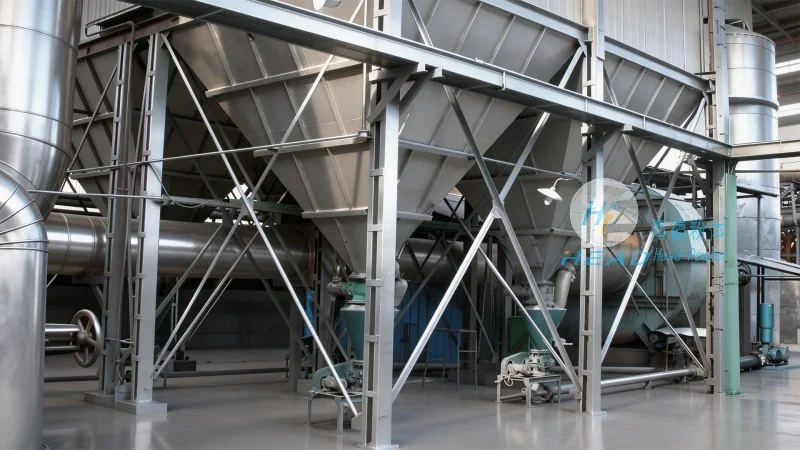
Introduction to Perlite and Conveyance Needs
Perlite is known for its exceptional thermal insulation properties, high porosity, and lightweight nature, making it a preferred material in various industries. However, its fine, granular structure and low bulk density pose challenges during transportation. Conveyance methods must address these characteristics to prevent material degradation, loss, or clogging in the system. The choice of conveyance method significantly impacts operational efficiency, cost, and product quality. Understanding the different perlite conveyance methods is crucial for businesses to select the most suitable approach for their specific needs.
Key Perlite Conveyance Methods
Several methods are commonly employed for perlite conveyance, each with distinct characteristics and applications. The primary methods include pneumatic conveying, mechanical conveying, and hybrid systems. Pneumatic conveying uses air or other gases to transport perlite particles through pipelines, while mechanical conveying relies on equipment like conveyors, elevators, and screw feeders. Hybrid systems combine elements of both pneumatic and mechanical methods to optimize performance.
Pneumatic Conveying Systems
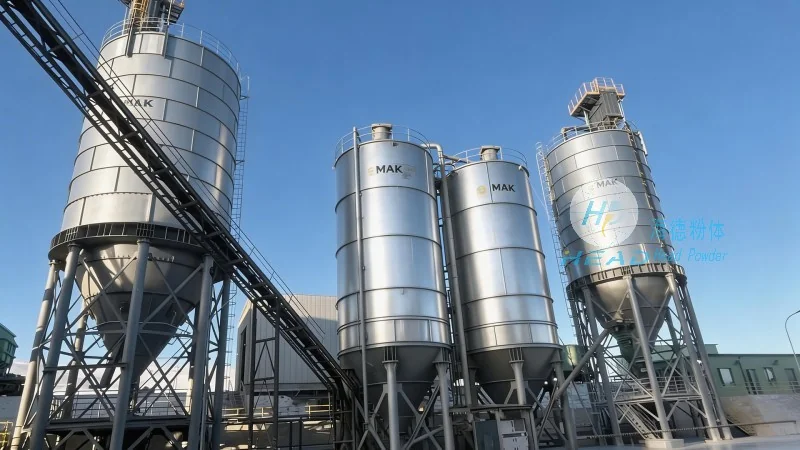
Pneumatic conveying is a popular method for perlite transport due to its ability to handle fine, dry powders efficiently. This method involves blowing air or a gas through a pipeline to move perlite particles. There are two main types of pneumatic conveying: pressure and vacuum systems. Pressure systems use compressed air to push the material forward, while vacuum systems use suction to draw the material into the pipeline. Pneumatic conveying is particularly effective for long-distance transport and can handle high volumes of perlite. However, it requires careful control of air flow and pressure to prevent material degradation or system clogging. The system also needs to be designed to handle the specific properties of perlite, such as its low bulk density and fine particle size.
Mechanical Conveying Systems
Mechanical conveying methods are widely used for perlite transport, especially in applications where pneumatic systems are not feasible or cost-effective. These systems include belt conveyors, bucket elevators, screw conveyors, and chain conveyors. Belt conveyors are suitable for transporting perlite over short to medium distances and are commonly used in horticulture and construction applications. Bucket elevators are ideal for vertical transport, moving perlite from lower to higher levels in processing facilities. Screw conveyors, also known as augers, are effective for horizontal or slight incline transport and can handle a wide range of material sizes. Chain conveyors are used in applications requiring high load capacity and durability. Mechanical conveying systems are generally more cost-effective for short-distance transport and do not require compressed air or vacuum systems. However, they may be less efficient for fine, dry powders and can cause more material degradation due to friction and impact.
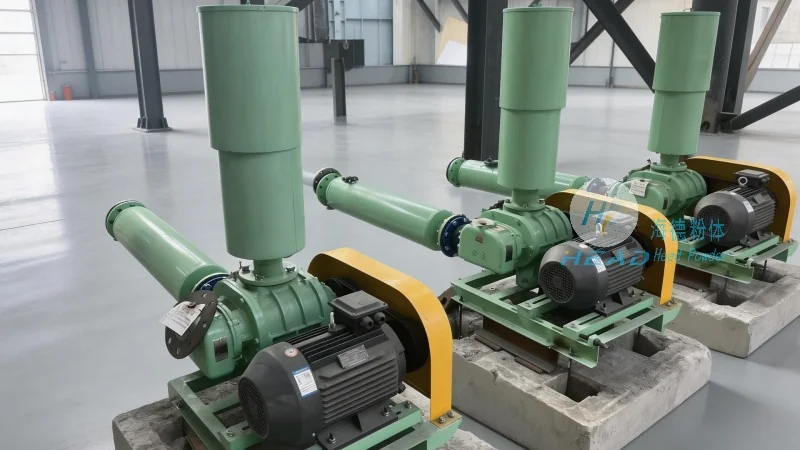
Hybrid Conveying Systems
Hybrid conveying systems combine the advantages of pneumatic and mechanical methods to provide a more versatile and efficient solution for perlite transport. These systems typically use pneumatic conveying for the initial transport of perlite from a storage silo to a processing point, followed by mechanical conveying for further handling or distribution. Hybrid systems are particularly useful in large-scale operations where both long-distance and short-distance transport is required. They offer the flexibility to handle varying material volumes and properties while maintaining operational efficiency. The design of hybrid systems requires careful integration of pneumatic and mechanical components to ensure smooth material flow and minimize system downtime.
Factors Influencing Perlite Conveyance Method Selection
The choice of perlite conveyance method depends on several factors, including the material's properties, application requirements, and operational constraints. Material properties such as particle size, bulk density, and moisture content significantly impact the suitability of a conveyance method. For example, fine perlite particles may require pneumatic conveying to avoid clogging in mechanical systems. Application requirements, such as the distance to be covered, the volume of material to be transported, and the need for dust control, also influence the method selection. Operational constraints, including budget, space availability, and maintenance requirements, play a crucial role in determining the most appropriate conveyance system. Businesses must consider these factors to select a method that maximizes efficiency, minimizes costs, and ensures product quality.
Conclusion
Efficient perlite conveyance is essential for businesses to meet their operational needs and maintain product quality. The primary methods of perlite conveyance—pneumatic, mechanical, and hybrid systems—each offer unique advantages and applications. Pneumatic conveying is ideal for long-distance transport and fine powders, while mechanical conveying is more cost-effective for short-distance transport. Hybrid systems provide a versatile solution for large-scale operations. The selection of the most suitable method depends on various factors, including material properties, application requirements, and operational constraints. By understanding these factors and the characteristics of each conveyance method, businesses can optimize their perlite handling processes and enhance overall operational efficiency.

 Công ty TNHH Kỹ thuật Công trình Bột Hải Đức Sơn Đông
 156-6277-7102(Quản lý Trương)
  0531-83386006
  Quận Chương Khâu, Thành phố Tế Nam, Tỉnh Sơn Đông, Trung Quốc
Điện thoại
WeChatTư vấn
Lên đầu