Công ty Hải Đức Bột với hơn 10 năm kinh nghiệm vận chuyển khí, cung cấp hệ thống‑thiết bị‑quạt gió và nhận dự án tổng thầu bột cả nước
When it comes to the efficient transportation of compound fertilizers, various methods are employed across the agricultural and industrial sectors. These methods are designed to ensure the safe, reliable, and cost-effective movement of these essential nutrients from production sites to end-users. The choice of conveying method often depends on factors such as the type of fertilizer, production scale, operational environment, and specific application requirements.
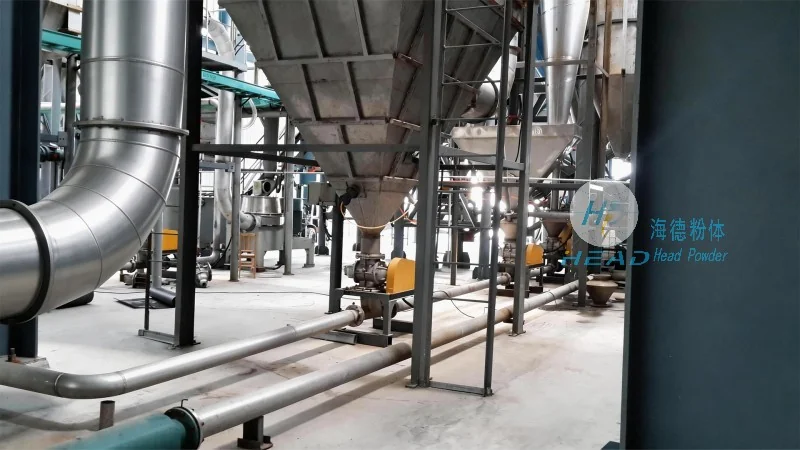
1. Belt Conveyors for Bulk Material Handling
Belt conveyors are among the most common and versatile systems used for transporting compound fertilizers. These systems utilize a continuous belt, typically made of rubber or synthetic materials, to move bulk materials horizontally or at slight inclines. The design allows for the smooth and continuous transfer of fertilizer, minimizing product degradation and spillage. Belt conveyors are particularly effective for handling dry, granular fertilizers, such as NPK (nitrogen, phosphorus, potassium) blends. They can be customized with features like variable speed drives, idler adjustments, and impact beds to accommodate different fertilizer types and operational conditions. The robust construction of these conveyors ensures durability in high-volume production environments, making them a preferred choice for many fertilizer manufacturers.
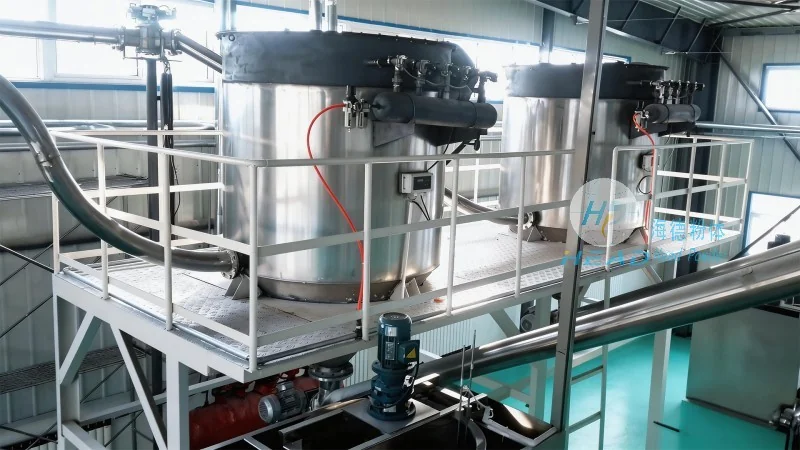
2. Screw Conveyors (Auger Conveyors) for Vertical and Horizontal Transport
Screw conveyors, also known as auger conveyors, are another widely used method for conveying compound fertilizers. These systems consist of a rotating screw (auger) enclosed in a tube or trough, which moves material through the system by pushing it along the screw's flight. Screw conveyors are highly effective for both horizontal and vertical transport, making them suitable for applications where space constraints or elevation changes are present. They are particularly advantageous for handling fine or powdery fertilizers, as the screw's design helps prevent material segregation and ensures consistent flow. The compact design of screw conveyors allows for installation in confined spaces, and they can be equipped with variable speed controls to adjust the conveying rate based on production needs. This flexibility makes screw conveyors a reliable option for both small-scale and large-scale fertilizer operations.
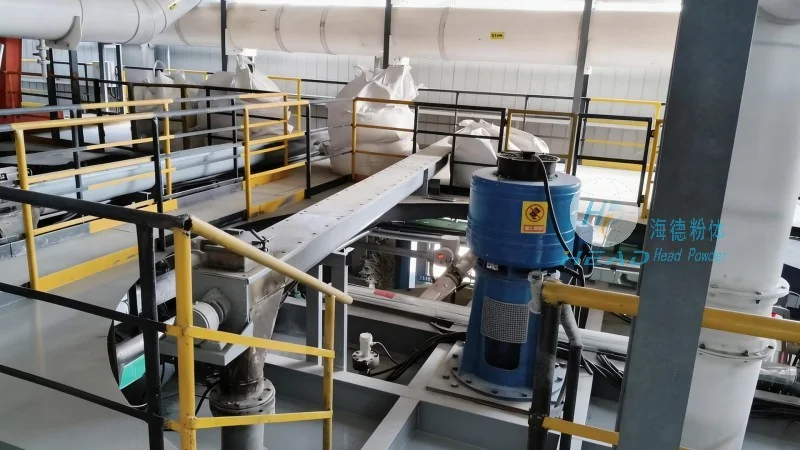
3. Pneumatic Conveying Systems for Dust-Free Transport
Pneumatic conveying systems offer a dust-free and enclosed method for transporting compound fertilizers, which is crucial for maintaining product quality and safety in industrial settings. These systems use air pressure or vacuum to move material through a network of pipes. There are two main types of pneumatic conveyors: pressure and vacuum systems. Pressure systems push material through the pipe using compressed air, while vacuum systems draw material into the system using a vacuum pump. Pneumatic conveyors are ideal for handling fine powders and granules, as they prevent dust generation and contamination. They are commonly used in applications where product purity is critical, such as in the production of high-value compound fertilizers. The enclosed design of these systems also reduces the risk of material exposure to the environment, enhancing safety and compliance with environmental regulations. However, pneumatic conveyors require careful system design to ensure efficient material flow and minimize pressure losses, which can impact operational efficiency.
4. Bucket Elevators for Vertical Material Lift
Bucket elevators are specialized vertical conveying systems designed to lift bulk materials, including compound fertilizers, from lower to higher levels. These systems consist of a continuous belt or chain with attached buckets that scoop material as they travel up a vertical or inclined shaft. The buckets then discharge the material at the top of the elevator, where it is collected and transferred to the next stage of processing. Bucket elevators are highly efficient for vertical transport, with the ability to handle large volumes of material at high speeds. They are particularly useful in applications where the fertilizer needs to be elevated to storage silos or processing units. The robust construction of bucket elevators ensures they can withstand the abrasive nature of fertilizer materials, and their enclosed design helps prevent dust and spillage. However, bucket elevators require regular maintenance to ensure smooth operation and prevent bucket wear, which can impact performance over time.
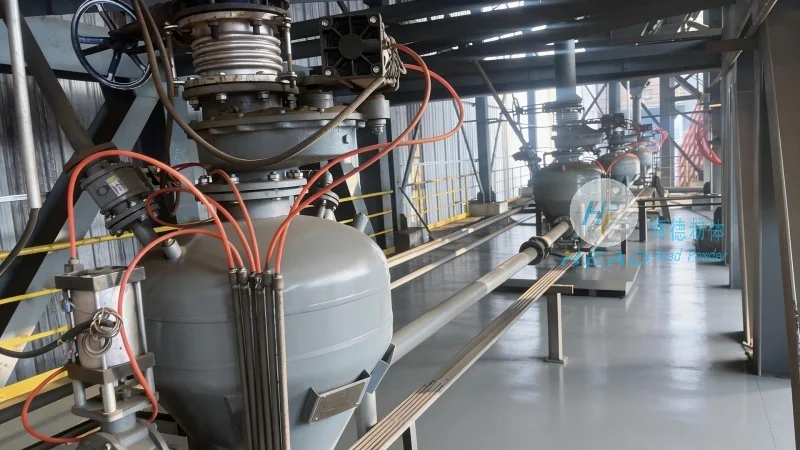
About Shandong HeadPowder Engineering Co., Ltd.
Shandong HeadPowder Engineering Co., Ltd., operating under the brand name headpowder, specializes in the design, manufacturing, and supply of advanced conveying systems for the fertilizer industry. With a focus on innovation and quality, the company provides tailored solutions to meet the diverse needs of fertilizer manufacturers worldwide. Headpowder's expertise lies in developing efficient and reliable conveying equipment that enhances production efficiency and product quality. The company's facilities are located in Shandong, China, where it leverages local manufacturing capabilities to deliver high-performance equipment at competitive prices. By combining years of industry experience with cutting-edge technology, headpowder aims to support the global fertilizer sector in optimizing its material handling processes and improving overall operational performance.

 Công ty TNHH Kỹ thuật Công trình Bột Hải Đức Sơn Đông
 156-6277-7102(Quản lý Trương)
  0531-83386006
  Quận Chương Khâu, Thành phố Tế Nam, Tỉnh Sơn Đông, Trung Quốc
Điện thoại
WeChatTư vấn
Lên đầu