Công ty Hải Đức Bột với hơn 10 năm kinh nghiệm vận chuyển khí, cung cấp hệ thống‑thiết bị‑quạt gió và nhận dự án tổng thầu bột cả nước
When it comes to handling rubber granules in industrial settings, selecting the right conveying method is crucial for efficiency, cost-effectiveness, and material integrity. Rubber granules, often used in applications like playground surfaces, sports flooring, and industrial flooring, require specialized equipment to ensure smooth and reliable transport. This article explores the primary methods used for rubber granule conveying, highlighting the key factors that influence the choice of equipment for different operational needs.
Key Factors Influencing Conveying Method Selection
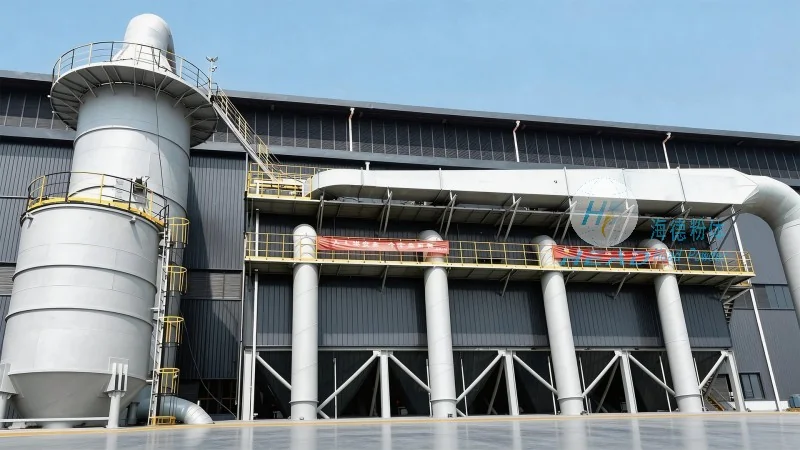
Before delving into specific rubber granule conveying methods, it's essential to understand the factors that guide the selection process. These factors include the material's properties—such as density, moisture content, and abrasiveness—the volume of material to be moved, the distance over which it needs to be transported, and the required speed and precision of the operation. Additionally, considerations like space availability, budget constraints, and environmental regulations play a significant role in determining the most suitable conveying solution. For companies like Shandong HeadPowder Engineering Co., Ltd., a leading manufacturer in the rubber granule industry, understanding these factors is paramount to providing tailored solutions that meet client requirements.
1. Screw Conveyors for Rubber Granules
Screw conveyors, also known as auger conveyors, are among the most common and versatile methods for transporting rubber granules. These systems consist of a rotating helical screw blade mounted inside a trough or tube, which moves material along the length of the conveyor. Screw conveyors are particularly effective for rubber granules due to their ability to handle materials with varying bulk densities and moisture levels. They are also suitable for vertical or inclined transport, making them ideal for applications where space is limited or where elevation changes are required. The design of screw conveyors can be customized to accommodate different granule sizes, with options for solid or flexible screw blades to prevent material buildup and ensure smooth flow. For rubber granule applications, companies like HeadPowder often recommend screw conveyors for their low maintenance requirements and reliability, especially in environments where continuous operation is critical.
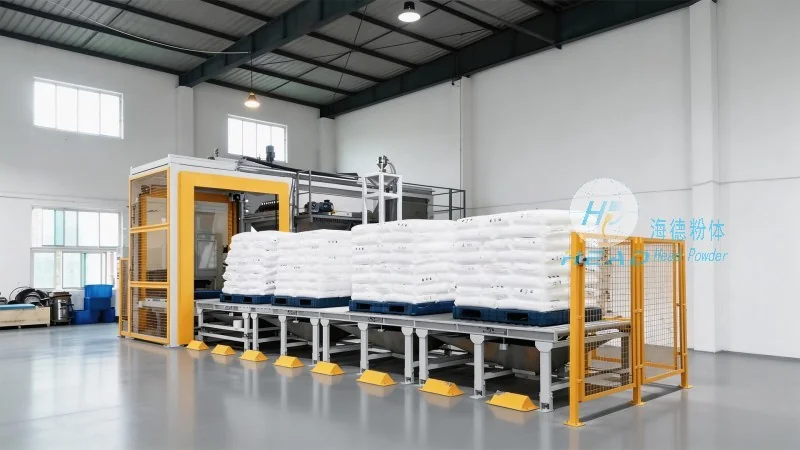
2. Belt Conveyors for Rubber Granule Transport
Belt conveyors are another widely used method for rubber granule conveying, particularly in applications requiring long-distance transport or high material throughput. These systems feature a continuous belt loop that moves over rollers or pulleys, with the rubber granules placed on the belt surface. Belt conveyors are highly efficient for transporting large volumes of material over horizontal or slightly inclined distances, making them suitable for manufacturing plants, storage facilities, and processing lines. The design of belt conveyors can be customized with different belt materials and widths to handle various granule sizes and weights. For example, a heavy-duty rubber or PVC belt may be used to prevent slippage and ensure the granules remain in place during transport. Belt conveyors are also relatively low-cost and easy to install, making them a popular choice for rubber granule handling in many industries. However, they may require more maintenance than screw conveyors, as the belts need regular inspection and replacement to avoid damage from abrasive granules.
3. Pneumatic Conveying Systems for Rubber Granules
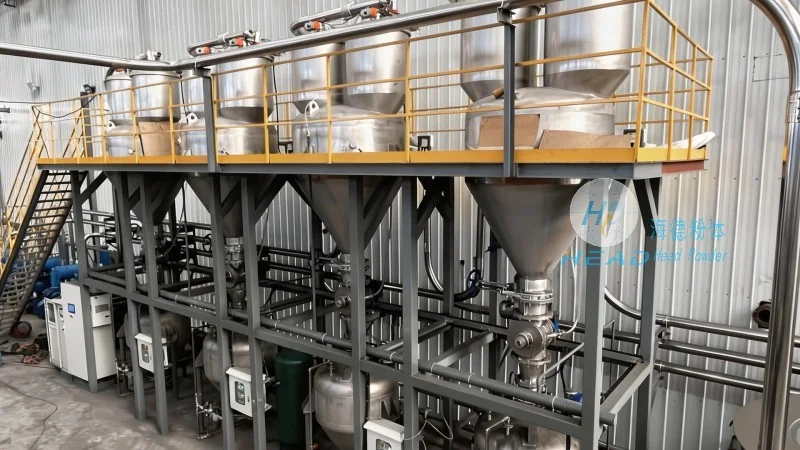
Pneumatic conveying systems use air or other gases to transport rubber granules through a network of pipes or ducts. These systems are ideal for applications where dust control is a priority or where the material needs to be transported over long distances without the need for physical contact. Pneumatic conveyors can be categorized into two main types: pressure and vacuum systems. Pressure systems use compressed air to push the material through the pipe, while vacuum systems use suction to draw the material into the system. Rubber granules are typically conveyed in a dilute phase (where the material is suspended in the air) or a dense phase (where the material is pushed in a slurry-like state). Pneumatic conveying is particularly effective for handling fine or dusty rubber granules, as it prevents material degradation and contamination. However, it requires careful control of air pressure and flow rates to ensure efficient transport and avoid system blockages. Companies like Shandong HeadPowder Engineering Co., Ltd. offer pneumatic conveying solutions tailored to the specific needs of rubber granule applications, ensuring optimal performance and minimal downtime.
4. Vibrating Conveyors for Rubber Granule Handling
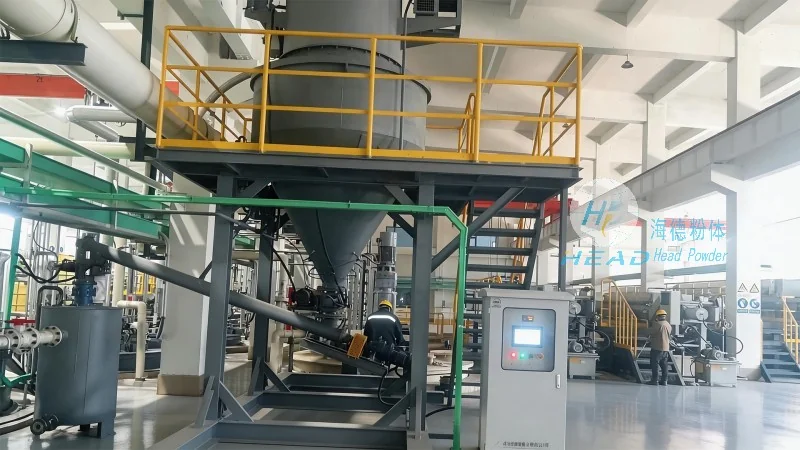
Vibrating conveyors utilize vibration to move rubber granules along a trough or conveyor bed. These systems consist of a conveyor trough that is mounted on a vibrating mechanism, which causes the material to move forward through the length of the conveyor. Vibrating conveyors are particularly effective for handling materials with high moisture content or those that tend to stick together, as the vibration helps to break up clumps and ensure smooth flow. They are also suitable for transporting materials over long distances or through multiple levels, as the vibration can be adjusted to control the speed and direction of the material. Vibrating conveyors are often used in applications where gentle handling is required, such as for rubber granules used in playground surfaces or sports flooring, where the material needs to be transported without causing damage. The design of vibrating conveyors can be customized with different vibration frequencies and amplitudes to accommodate various granule sizes and properties. For example, a low-frequency, high-amplitude vibration may be used for larger granules, while a higher frequency may be used for finer particles. Companies specializing in rubber granule handling, such as HeadPowder, often recommend vibrating conveyors for their ability to handle sticky or cohesive materials without the need for additional processing steps.
5. Hydraulic Conveying for Specialized Rubber Granule Applications
Hydraulic conveying systems use water or other liquids to transport rubber granules through a pipeline. These systems are typically used for applications where the material needs to be transported over very long distances or where the material is highly abrasive and requires a more controlled environment. Hydraulic conveyors are often used in mining or heavy industry applications, but they can also be adapted for rubber granule handling in specialized settings. The process involves mixing the rubber granules with water to create a slurry, which is then pumped through the pipeline using hydraulic pressure. The slurry is then separated from the water at the end of the pipeline, with the rubber granules collected for further processing. Hydraulic conveying is effective for handling large volumes of material and can be used in both horizontal and vertical transport. However, it requires significant infrastructure and maintenance, as the system must be designed to handle the high pressures and potential for clogging. For rubber granule applications, hydraulic conveying is generally used in niche industries where other methods are not feasible, such as in the production of rubberized asphalt or in large-scale recycling operations.
Conclusion: Choosing the Right Rubber Granule Conveying Method
Choosing the right rubber granule conveying method is a critical decision for any industrial operation, as it directly impacts efficiency, cost, and material quality. The selection process should consider the specific properties of the rubber granules, the operational requirements of the facility, and the budget constraints of the project. Companies like Shandong HeadPowder Engineering Co., Ltd. provide expert guidance and customized solutions to help clients select the most appropriate conveying method for their needs. Whether using screw, belt, pneumatic, vibrating, or hydraulic systems, the goal is to ensure smooth, reliable transport of rubber granules while minimizing downtime and maintenance costs. By understanding the advantages and limitations of each method, businesses can make informed decisions that enhance their operational performance and support long-term success in the rubber granule industry.

 Công ty TNHH Kỹ thuật Công trình Bột Hải Đức Sơn Đông
 156-6277-7102(Quản lý Trương)
  0531-83386006
  Quận Chương Khâu, Thành phố Tế Nam, Tỉnh Sơn Đông, Trung Quốc
Điện thoại
WeChatTư vấn
Lên đầu