Công ty Hải Đức Bột với hơn 10 năm kinh nghiệm vận chuyển khí, cung cấp hệ thống‑thiết bị‑quạt gió và nhận dự án tổng thầu bột cả nước
For industrial operations dealing with coal ash, the efficient and reliable transport of particle materials is crucial. Shandong HeadPowder Engineering Co., Ltd., a leading provider in the field, specializes in advanced solutions for coal ash particle conveying. This article explores the various methods employed in transporting coal ash particles, highlighting the technical aspects and practical applications that ensure optimal performance in industrial settings.
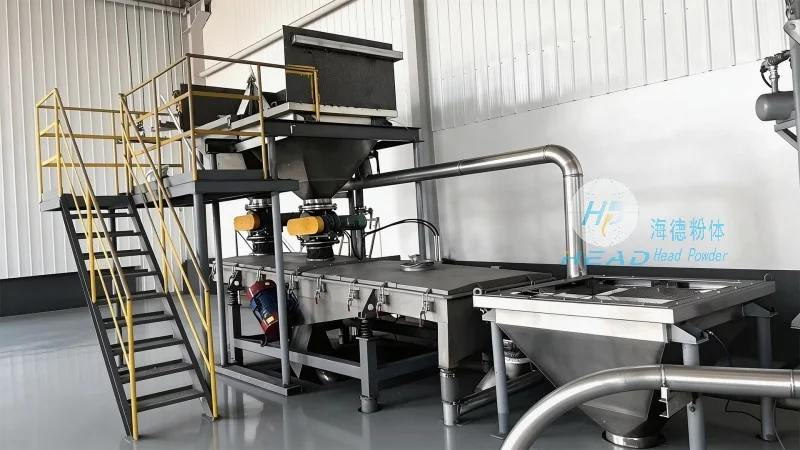
Understanding Coal Ash Particle Conveying
Coal ash, a byproduct of coal combustion, consists of fine particles that require specialized handling to prevent dust dispersion and ensure environmental compliance. The methods used for conveying these particles vary based on the particle size, moisture content, and the distance over which they need to be transported. Effective conveying systems not only enhance operational efficiency but also contribute to safety and sustainability in industrial processes.
Common Conveying Methods for Coal Ash Particles
Several techniques are widely used for transporting coal ash particles, each with its own advantages and specific applications. The choice of method depends on factors such as the volume of material, the distance to be covered, and the need for dust control. Below are some of the most common approaches:
Pneumatic Conveying Systems
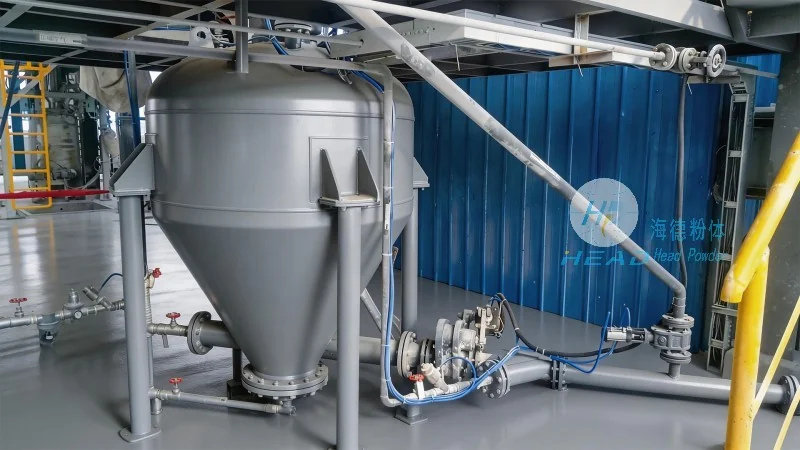
Pneumatic conveying uses air pressure to move coal ash particles through a pipeline. This method is particularly effective for fine particles and can handle long distances with minimal maintenance. There are two main types of pneumatic conveying: pressure and vacuum systems. Pressure systems push air and particles through the line, while vacuum systems draw particles into the line using a vacuum pump. Pneumatic systems are known for their ability to transport materials in a closed environment, reducing dust emissions and improving safety. However, they may require higher energy consumption and careful design to prevent particle segregation or blockages.
Screw Conveyors
Screw conveyors, also known as auger conveyors, use a rotating screw to move coal ash particles along a trough. This method is suitable for moderate to high volumes of material and is commonly used in horizontal or slightly inclined applications. Screw conveyors are relatively simple in design, making them cost-effective and easy to maintain. They can handle a wide range of particle sizes and are effective for transporting materials with low to moderate moisture content. However, they may not be suitable for very fine or abrasive particles, as this can lead to increased wear on the screw and trough.
Belt Conveyors
Belt conveyors use a continuous belt to transport coal ash particles over a series of rollers. This method is ideal for long-distance horizontal or slightly inclined transport and is widely used in mining and processing industries. Belt conveyors can handle large volumes of material and are capable of transporting particles over significant distances with minimal energy consumption. They are also suitable for transporting materials with high moisture content, as the belt can be designed to handle wet or sticky particles. However, belt conveyors require regular maintenance to ensure the belt remains in good condition and to prevent material buildup or spillage.
Hydraulic Conveying
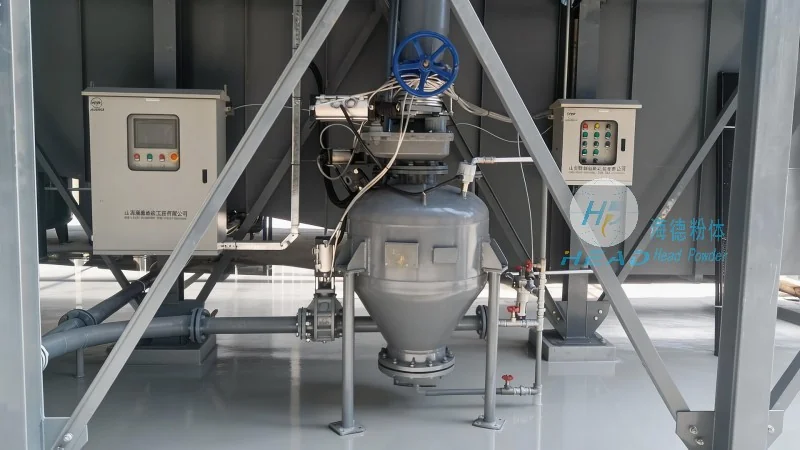
Hydraulic conveying uses water to transport coal ash particles through a pipeline. This method is particularly effective for fine particles and can handle long distances with high efficiency. The particles are suspended in water and moved through the pipeline by the flow of water. Hydraulic systems are known for their ability to transport materials with high moisture content and are often used in applications where dust control is critical. However, they require additional equipment for water treatment and may not be suitable for materials that are not water-resistant.
Selection Criteria for Coal Ash Conveying Systems
When selecting a coal ash particle conveying system, several factors must be considered to ensure optimal performance and efficiency. The first consideration is the particle size and characteristics, as different methods are better suited for specific particle types. For example, pneumatic systems are ideal for fine particles, while screw conveyors may be more suitable for larger particles. The second factor is the distance to be covered, as some methods are better for short distances while others are designed for long-distance transport. The third factor is the need for dust control, as some systems are more effective at reducing dust emissions than others. Finally, the cost and maintenance requirements of the system must be considered, as these can impact the overall operational efficiency and profitability of the operation.
Conclusion
Efficient coal ash particle conveying is essential for industrial operations to ensure safety, compliance, and operational efficiency. Shandong HeadPowder Engineering Co., Ltd. offers a range of advanced solutions tailored to the specific needs of coal ash handling. By understanding the different conveying methods and selecting the appropriate system, industrial facilities can improve their performance and contribute to a more sustainable and environmentally friendly operation. Whether using pneumatic, screw, belt, or hydraulic systems, the key is to choose a method that matches the specific requirements of the application and ensures reliable, long-term performance.

 Công ty TNHH Kỹ thuật Công trình Bột Hải Đức Sơn Đông
 156-6277-7102(Quản lý Trương)
  0531-83386006
  Quận Chương Khâu, Thành phố Tế Nam, Tỉnh Sơn Đông, Trung Quốc
Điện thoại
WeChatTư vấn
Lên đầu