Công ty Hải Đức Bột với hơn 10 năm kinh nghiệm vận chuyển khí, cung cấp hệ thống‑thiết bị‑quạt gió và nhận dự án tổng thầu bột cả nước
Lead powder, a critical material in various industrial applications such as battery manufacturing and construction, requires efficient and reliable conveying systems to ensure safe and effective material handling. The choice of conveying method significantly impacts operational efficiency, cost, and safety. This article provides a detailed comparison of common lead powder conveying methods, highlighting their advantages and disadvantages, to assist industry professionals in selecting the most suitable solution for their specific needs.
Introduction to Lead Powder Conveying Methods
Lead powder, due to its fine particle size and potential for dust generation, demands specialized conveying techniques to prevent contamination, ensure material integrity, and maintain workplace safety. Conveying systems for lead powder typically include both mechanical and pneumatic solutions, each with distinct characteristics and applications. The primary goal of any conveying system is to transport lead powder from a source to a destination while minimizing material loss, maintaining particle size distribution, and ensuring compliance with safety regulations.
1. Pneumatic Conveying Systems: Advantages and Disadvantages
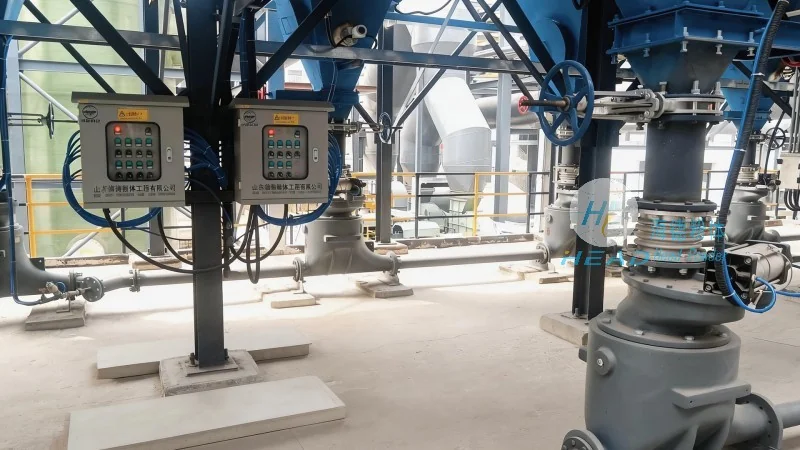
Pneumatic conveying, also known as air-powered conveying, utilizes compressed air to transport lead powder through a pipeline. This method is widely used in industries dealing with powders due to its flexibility and ability to handle fine particles. The main advantages of pneumatic conveying for lead powder include:
Efficient Material Transport: Pneumatic systems can move lead powder over long distances with minimal pressure drops, making them suitable for large-scale operations.
Low Maintenance: Compared to mechanical systems, pneumatic conveyors have fewer moving parts, reducing the risk of mechanical failure and lowering maintenance costs.
Versatility: Pneumatic systems can handle a wide range of particle sizes and moisture contents, adapting to different production requirements.
However, pneumatic conveying also has several disadvantages that must be considered:
High Energy Consumption: Compressed air generation requires significant energy input, increasing operational costs.
Pressure Drop and Particle Deposition: Over time, fine lead powder particles can accumulate in the pipeline, leading to increased pressure drop and potential blockages.
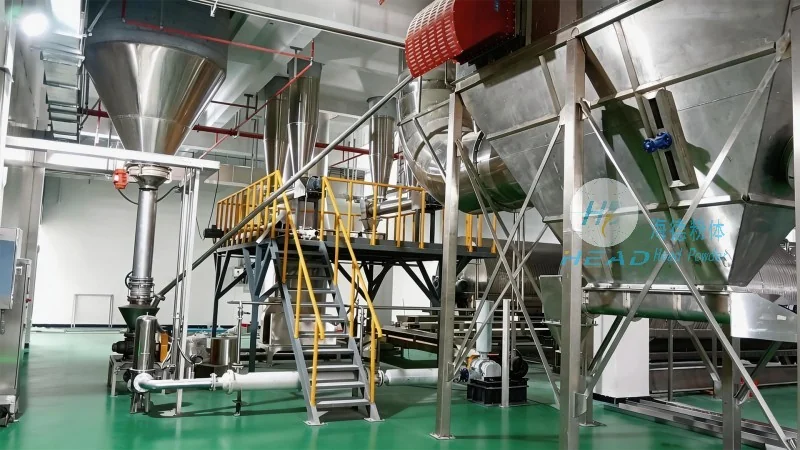
Equipment Complexity: Pneumatic systems often require specialized components like air filters, cyclones, and dust collectors, which can increase initial investment and maintenance complexity.
2. Mechanical Conveying Systems: Advantages and Disadvantages
Mechanical conveying systems rely on mechanical components such as belts, screws, or buckets to transport lead powder. These systems are commonly used in applications where high material throughput is required and where pneumatic systems may not be feasible due to space or cost constraints.
The primary advantages of mechanical conveying for lead powder include:
High Throughput: Mechanical systems can handle large volumes of lead powder, making them ideal for high-production environments.
Lower Energy Costs: Unlike pneumatic systems, mechanical conveyors do not require compressed air, resulting in lower energy consumption and operational costs.
Simple Design: Mechanical conveyors typically have a straightforward design with fewer components, reducing the risk of mechanical failure and simplifying maintenance.
Nevertheless, mechanical conveying also presents challenges:
Particle Size Limitations: Mechanical systems may struggle with very fine lead powder particles, as they can cause increased wear on components and reduce system efficiency.
Space Requirements: Mechanical conveyors often require more floor space compared to pneumatic systems, which can be a constraint in existing facilities.
Wear and Tear: Continuous operation can lead to increased wear on belts, screws, and other components, necessitating regular replacement and maintenance.
3. Hybrid Conveying Systems: Combining Pneumatic and Mechanical Advantages
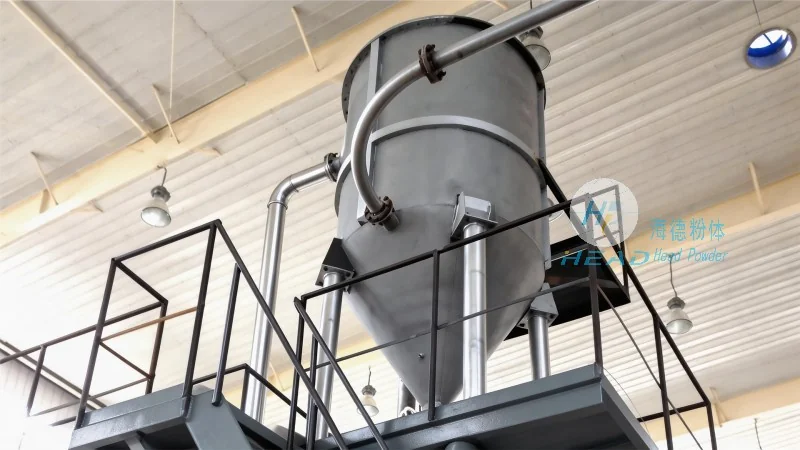
Hybrid conveying systems integrate both pneumatic and mechanical components to leverage the strengths of each method while mitigating their weaknesses. For example, a hybrid system might use a mechanical conveyor to transport lead powder over short distances and then switch to a pneumatic system for long-distance transport. This approach can optimize material handling efficiency and reduce operational costs.
Advantages of hybrid systems include:
Balanced Performance: By combining the high throughput of mechanical systems with the flexibility of pneumatic systems, hybrid solutions offer a balanced approach to lead powder conveying.
Reduced Energy Consumption: Hybrid systems can minimize energy use by using mechanical conveyors for short distances and pneumatic systems for longer distances, where mechanical systems may be less efficient.
Enhanced Reliability: The redundancy of components in hybrid systems can improve overall system reliability and reduce downtime.
However, hybrid systems also come with challenges:
Increased Complexity: The integration of multiple components increases the system's complexity, potentially leading to higher initial costs and more complex maintenance procedures.
Space Constraints: Hybrid systems may require additional space to accommodate both mechanical and pneumatic components, which can be a limitation in compact facilities.
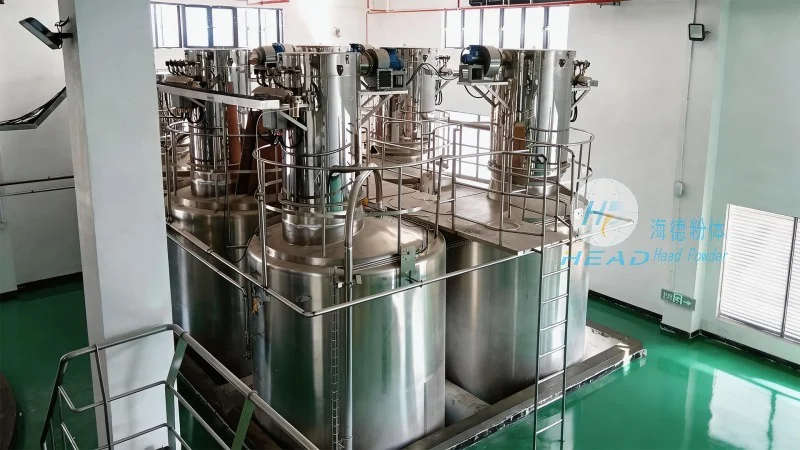
System Synchronization: Ensuring proper synchronization between mechanical and pneumatic components is crucial to avoid inefficiencies or equipment damage.
4. Key Considerations for Selecting a Lead Powder Conveying Method
When selecting a lead powder conveying method, several factors must be considered to ensure the best fit for the application. These factors include:
Material Properties: The particle size, density, and moisture content of the lead powder will influence the choice of conveying system. For example, very fine particles may require pneumatic systems to prevent clogging.
Distance and Layout: The distance between the source and destination, as well as the layout of the facility, will determine whether a mechanical or pneumatic system is more suitable. Long distances often favor pneumatic systems, while short distances may allow for mechanical solutions.
Operational Costs: The initial investment and ongoing operational costs, including energy consumption and maintenance, must be evaluated. Mechanical systems generally have lower energy costs but higher initial investment, while pneumatic systems have higher energy costs but lower initial investment.
Safety and Environmental Regulations: Lead powder is a hazardous material, and conveying systems must comply with safety regulations to prevent dust explosions and ensure worker safety. Both pneumatic and mechanical systems can be designed with safety features, but pneumatic systems may require additional dust collection equipment.
Conclusion
Choosing the right lead powder conveying method is a critical decision that impacts operational efficiency, cost, and safety. Pneumatic conveying offers flexibility and efficiency for long-distance transport but at higher energy costs. Mechanical conveying provides high throughput and lower energy costs but may have limitations with fine particles and space requirements. Hybrid systems offer a balanced approach but with increased complexity. Ultimately, the best choice depends on the specific application requirements, including material properties, distance, layout, and budget constraints.
Shandong HeadPowder Engineering Co., Ltd., a leading manufacturer of lead powder processing equipment, specializes in providing customized conveying solutions tailored to the unique needs of each client. With years of experience in the industry, the company offers a range of high-quality conveying systems designed to optimize lead powder handling while ensuring compliance with safety regulations. For more information on lead powder conveying systems and other industrial solutions, please contact Shandong HeadPowder Engineering Co., Ltd., located in Shandong, China.

 Công ty TNHH Kỹ thuật Công trình Bột Hải Đức Sơn Đông
 156-6277-7102(Quản lý Trương)
  0531-83386006
  Quận Chương Khâu, Thành phố Tế Nam, Tỉnh Sơn Đông, Trung Quốc
Điện thoại
WeChatTư vấn
Lên đầu