Công ty Hải Đức Bột với hơn 10 năm kinh nghiệm vận chuyển khí, cung cấp hệ thống‑thiết bị‑quạt gió và nhận dự án tổng thầu bột cả nước
Bone meal, a vital nutrient source in animal feed and soil amendment, requires efficient and reliable delivery systems to ensure optimal distribution. The choice of delivery method significantly impacts operational efficiency, cost, and product integrity. This article provides a detailed comparison of common bone meal delivery methods, highlighting their advantages and disadvantages, with a focus on practical applications and industry considerations.
1. Screw Conveyors: Traditional and Reliable
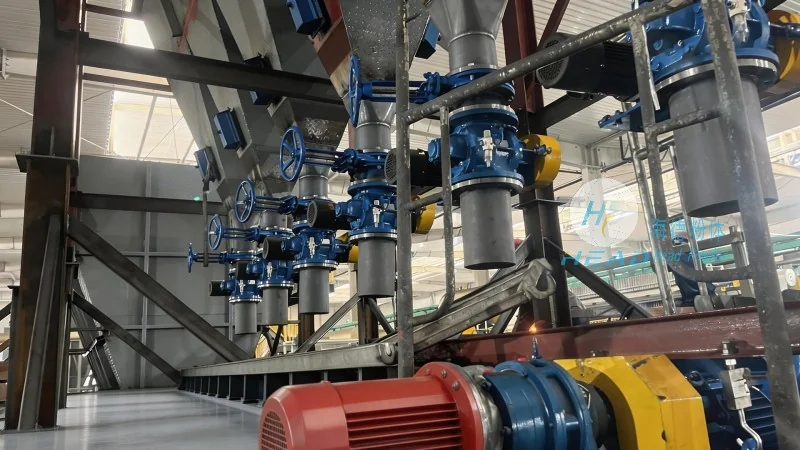
Screw conveyors, also known as auger conveyors, are among the most widely used systems for bone meal transport. These devices consist of a rotating helical screw inside a trough, which moves material along the conveyor's length. The primary advantage of screw conveyors is their simplicity and low maintenance requirements. They are particularly effective for horizontal or slightly inclined transport, making them suitable for short to medium distances. Additionally, screw conveyors can handle a wide range of materials, including bone meal with varying moisture content and particle sizes. However, their limitations include lower capacity compared to other methods and potential for material degradation due to friction and heat generation. The design of screw conveyors also restricts the ability to transport materials vertically over long distances, as this can lead to excessive wear and energy consumption.
2. Pneumatic Conveying Systems: High-Capacity and Flexible
Pneumatic conveying systems use air or other gases to transport bone meal through a pipeline. These systems are categorized into pressure and vacuum types, each offering distinct advantages. Pressure systems, which force material through the pipeline using compressed air, are ideal for long-distance horizontal or slight vertical transport. They can handle high capacities and are suitable for applications requiring minimal product contact with equipment. The flexibility of pneumatic systems allows for easy integration into existing infrastructure, enabling changes in delivery routes without major modifications. A key advantage is the ability to transport bone meal in a closed system, reducing dust emissions and improving safety. However, pneumatic conveying has higher energy costs compared to mechanical systems, and the equipment is more complex, requiring regular maintenance of air compressors and filters. Additionally, the system's performance can be affected by variations in material moisture and particle size, potentially leading to blockages or reduced efficiency.
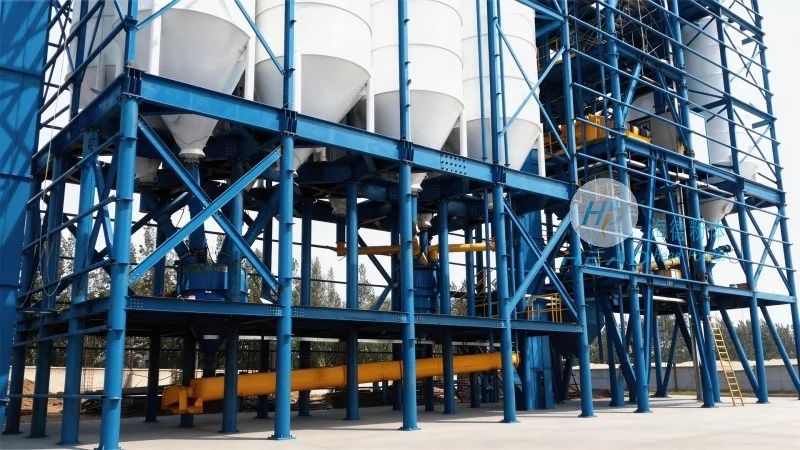
3. Hydraulic or Pump-Mediated Delivery: Suitable for Liquids and Slurries
Hydraulic or pump-mediated systems are primarily used for transporting bone meal in liquid or slurry form. These systems utilize pumps to move the material through pipes, often in conjunction with other equipment like mixers or classifiers. The main advantage of this method is its ability to handle viscous or high-density slurries, which may be difficult to transport using other systems. Hydraulic delivery is particularly effective for applications where bone meal is mixed with water or other liquids to create a slurry for application in agriculture or industrial processes. This method ensures consistent flow rates and can handle long horizontal distances with minimal pressure loss. However, the equipment is more specialized and expensive, and the system requires careful monitoring to prevent clogging or pump wear. Additionally, the use of hydraulic systems may involve higher operational costs due to energy consumption and the need for regular maintenance of pumps and seals.
4. Belt Conveyors: High-Volume and Continuous Transport
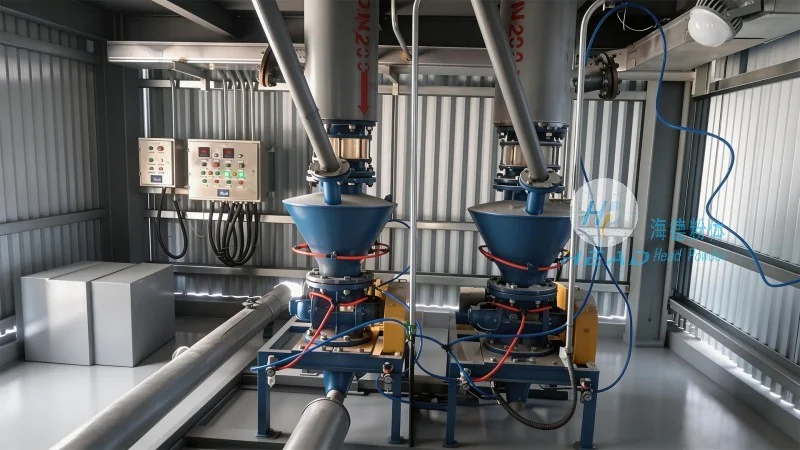
Belt conveyors are another common option for bone meal delivery, especially in large-scale operations. These systems use a continuous belt that moves material along a fixed path, supported by rollers or idlers. The primary advantage of belt conveyors is their high capacity and ability to transport materials over long distances, both horizontally and slightly inclined. They are particularly effective for bulk material handling, such as in feed mills or fertilizer plants, where large quantities of bone meal need to be moved efficiently. Belt conveyors also offer low maintenance costs and can handle a wide range of material types, including bone meal with varying moisture levels. However, their design is less flexible compared to other systems, as changes in delivery routes require significant modifications. Additionally, belt conveyors may be prone to material spillage or damage if not properly maintained, and they can be less suitable for vertical transport due to the risk of belt slippage or wear.
5. Comparison and Selection Criteria
When selecting a bone meal delivery method, several factors must be considered to ensure optimal performance and cost-effectiveness. The first consideration is the distance and layout of the delivery route, as this determines the suitability of each system. For short horizontal distances, screw conveyors or belt conveyors may be sufficient, while pneumatic systems are better for longer distances. The material characteristics, such as moisture content, particle size, and bulk density, also play a critical role. For example, if the bone meal is in a slurry form, hydraulic systems are the most appropriate. The budget and maintenance capabilities of the operation are also important, as some systems require higher initial investment and ongoing maintenance. Additionally, environmental and safety considerations, such as dust control and material containment, should be evaluated. By carefully assessing these factors, operators can choose the most suitable delivery method for their specific needs.
Conclusion: Choosing the Right Delivery Method for Bone Meal
The choice of bone meal delivery method is a critical decision that impacts operational efficiency, cost, and product quality. Each method has its unique advantages and limitations, and the optimal selection depends on the specific application and operational requirements. Screw conveyors offer simplicity and reliability for short distances, while pneumatic systems provide high capacity and flexibility for longer routes. Hydraulic systems are ideal for liquid or slurry applications, and belt conveyors are suitable for large-scale bulk transport. By understanding the characteristics of each method and considering the relevant factors, operators can make informed decisions to enhance their bone meal delivery processes. Shandong HeadPowder Engineering Co., Ltd., with its expertise in material handling systems, provides tailored solutions to meet the diverse needs of the industry, ensuring efficient and effective bone meal delivery for various applications.

 Công ty TNHH Kỹ thuật Công trình Bột Hải Đức Sơn Đông
 156-6277-7102(Quản lý Trương)
  0531-83386006
  Quận Chương Khâu, Thành phố Tế Nam, Tỉnh Sơn Đông, Trung Quốc
Điện thoại
WeChatTư vấn
Lên đầu