Công ty Hải Đức Bột với hơn 10 năm kinh nghiệm vận chuyển khí, cung cấp hệ thống‑thiết bị‑quạt gió và nhận dự án tổng thầu bột cả nước
When it comes to transporting oxide iron powder, selecting the right conveying method is crucial for ensuring efficiency, safety, and cost-effectiveness in industrial operations. Oxide iron powder, a common material used in various industries such as pigments, coatings, and magnetic materials, requires specialized handling due to its fine particle size and potential for dust generation. The choice of conveying method directly impacts the overall performance of production lines, making it essential to understand the available options and their specific advantages.
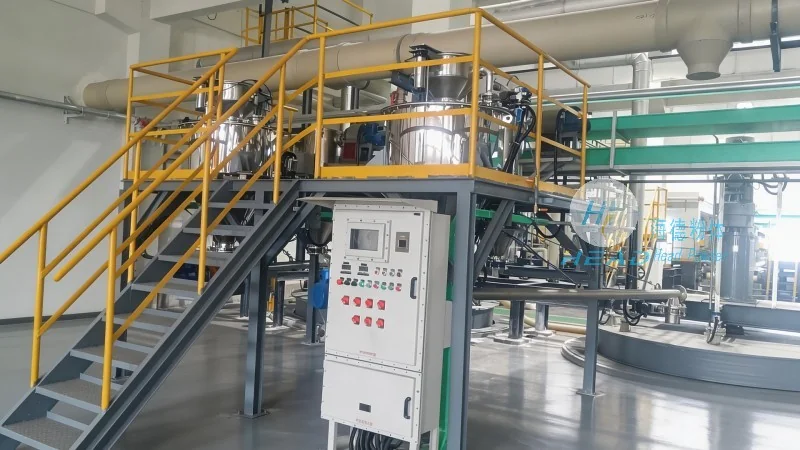
Common Conveying Methods for Oxide Iron Powder
There are several conventional methods used for transporting oxide iron powder, including mechanical conveying systems like screw conveyors, belt conveyors, and bucket elevators. These methods are widely used in many industries and have been proven reliable for handling bulk materials. However, they often face challenges when dealing with fine powders, such as particle segregation, blockages, and increased maintenance requirements. Mechanical conveyors may not be the most suitable choice for oxide iron powder due to its high dust content and potential for clogging, which can lead to operational inefficiencies and safety hazards.
Pneumatic Conveying: The Preferred Solution for Oxide Iron Powder
Pneumatic conveying has emerged as the preferred method for oxide iron powder transportation, offering a range of advantages that address the limitations of traditional mechanical systems. Pneumatic conveying uses air or other gases to transport powder through a pipeline system, eliminating the need for moving parts that come into direct contact with the material. This approach significantly reduces the risk of contamination and equipment wear, making it ideal for handling sensitive materials like oxide iron powder. The core of pneumatic conveying systems involves the use of a blower or compressor to generate airflow, which draws or pushes the powder through the pipeline. This method is particularly effective for fine powders, as it prevents particle segregation and maintains a consistent flow rate.
Key Advantages of Pneumatic Conveying for Oxide Iron Powder
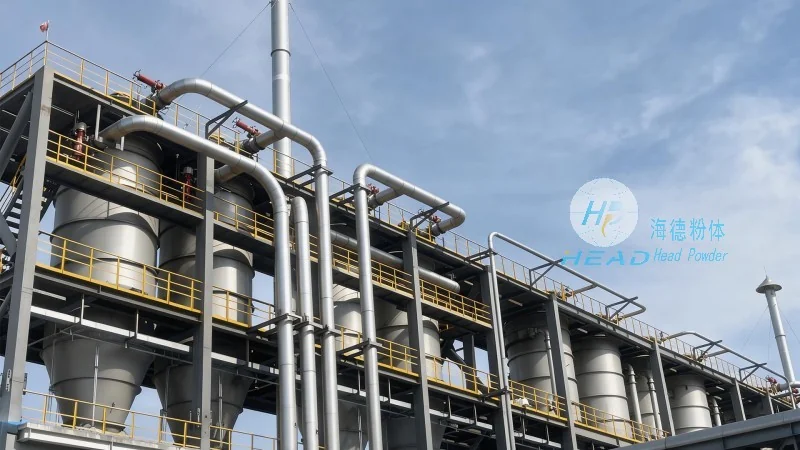
One of the primary advantages of pneumatic conveying is its high efficiency in material transport. Unlike mechanical conveyors that rely on gravity or mechanical force, pneumatic systems can transport oxide iron powder over long distances with minimal energy consumption. This makes it an economical choice for large-scale operations, where the cost of energy and maintenance is a significant factor. Additionally, pneumatic conveying offers excellent control over the flow rate and pressure, allowing for precise regulation of the powder delivery. This is crucial for processes that require consistent material supply, such as in the production of pigments or magnetic materials.
Environmental and Safety Benefits
Environmental and safety considerations are critical when handling oxide iron powder, as it can pose health risks if not managed properly. Pneumatic conveying systems are designed to minimize dust emissions and contain the material within the pipeline, reducing the risk of airborne particles and improving workplace safety. The enclosed system also helps in controlling the dust and preventing environmental contamination, which is essential for compliance with environmental regulations. Furthermore, the lack of moving parts in pneumatic systems reduces the risk of mechanical failures and associated safety hazards, providing a safer working environment for operators.
Customization and Scalability
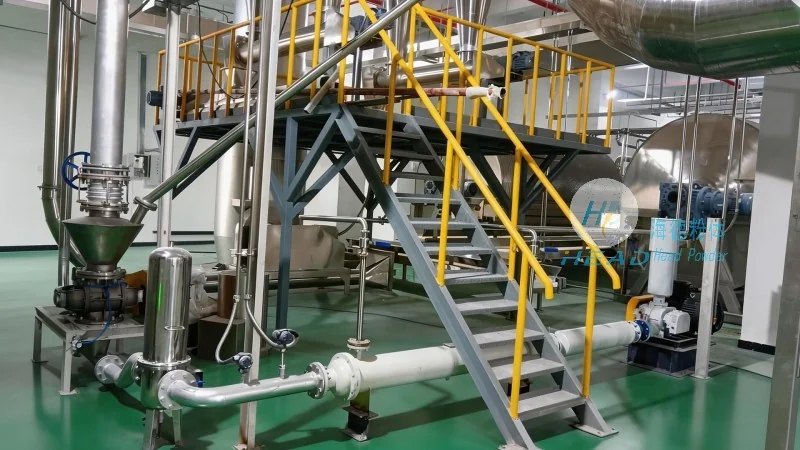
Another advantage of pneumatic conveying is its flexibility and scalability. Pneumatic systems can be easily customized to meet the specific requirements of oxide iron powder applications, including varying particle sizes, flow rates, and distances. This adaptability makes it suitable for both small-scale and large-scale operations, allowing companies to scale their production without significant changes to the conveying system. The modular design of pneumatic conveying equipment also enables easy integration with existing production lines, minimizing downtime and disruption during installation.
Conclusion
In conclusion, pneumatic conveying is the most effective and efficient method for transporting oxide iron powder. Its advantages in terms of efficiency, environmental safety, and scalability make it the preferred choice for industries dealing with fine powders. By leveraging the benefits of pneumatic conveying, companies can improve their operational performance, reduce costs, and ensure compliance with safety and environmental regulations. As the demand for oxide iron powder continues to grow, the adoption of advanced conveying technologies like pneumatic systems will become increasingly important for maintaining competitiveness in the market.

 Công ty TNHH Kỹ thuật Công trình Bột Hải Đức Sơn Đông
 156-6277-7102(Quản lý Trương)
  0531-83386006
  Quận Chương Khâu, Thành phố Tế Nam, Tỉnh Sơn Đông, Trung Quốc
Điện thoại
WeChatTư vấn
Lên đầu