Công ty Hải Đức Bột với hơn 10 năm kinh nghiệm vận chuyển khí, cung cấp hệ thống‑thiết bị‑quạt gió và nhận dự án tổng thầu bột cả nước
When it comes to handling fine powders in industrial applications, selecting the right conveying method is crucial for efficiency, cost-effectiveness, and product integrity. Various technologies are available, each with distinct advantages and limitations. This article provides a detailed comparison of common fine powder conveying methods, focusing on the key factors that influence their suitability for different industrial processes. The information is presented by Shandong HeadPowder Engineering Co., Ltd., a leading provider of powder handling solutions based in China.
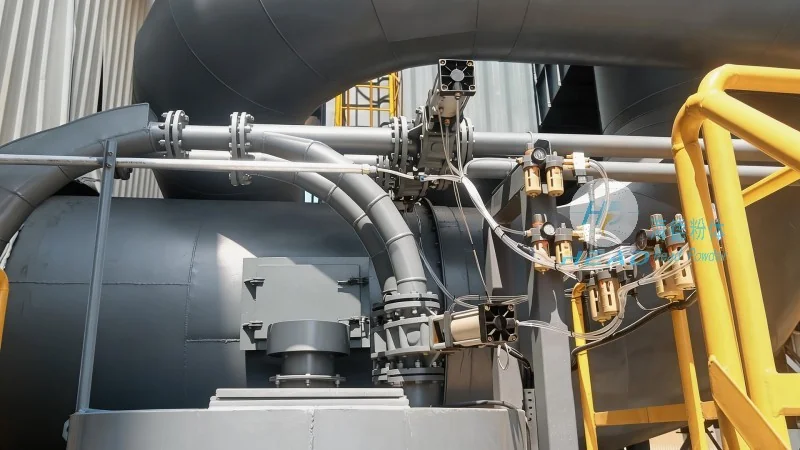
Company Profile
Shandong HeadPowder Engineering Co., Ltd., commonly known as HeadPowder, is a professional manufacturer and supplier specializing in powder conveying equipment. With a strong presence in the industry, HeadPowder offers a wide range of solutions tailored to the unique needs of clients. The company is located in Shandong, China, and has built a reputation for delivering high-quality, reliable equipment that meets international standards.
Overview of Fine Powder Conveying Methods
Fine powder conveying involves transporting powders from one location to another, often over short or long distances. The choice of method depends on factors such as powder properties (e.g., particle size, moisture content, abrasiveness), required capacity, and environmental considerations. Common methods include pneumatic conveying (both positive and negative pressure), mechanical conveying (e.g., screw conveyors, vibratory conveyors), and hybrid systems. Each method has its own set of advantages and disadvantages, which are discussed below.
1. Positive Pressure Pneumatic Conveying
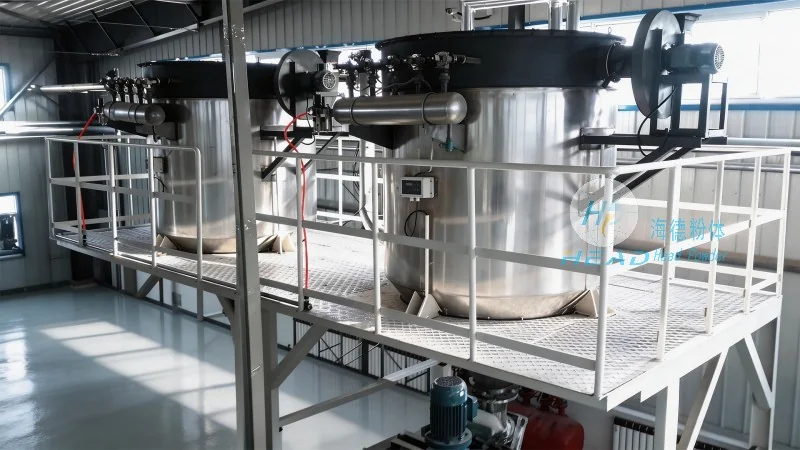
Positive pressure pneumatic conveying uses compressed air to push the powder through a pipeline. This method is suitable for short to medium distances and can handle a wide range of powder types, including those that are abrasive or have high moisture content. One of the main advantages is its ability to transport powders in a closed system, which minimizes dust emissions and protects the product from contamination. Additionally, it allows for high conveying speeds and can be integrated with other processing equipment. However, the system requires a constant supply of compressed air, which can increase operational costs. Another drawback is that it may not be suitable for very fine powders that are prone to clogging, as the high air pressure can cause particle agglomeration.
2. Negative Pressure Pneumatic Conveying
Negative pressure pneumatic conveying, also known as vacuum conveying, uses a vacuum to draw the powder into the system. This method is ideal for long-distance transport and is often used for handling powders that are sensitive to air exposure or require gentle handling. The main advantage is its ability to transport powders over longer distances with less energy consumption compared to positive pressure systems. It also allows for the collection of powders from multiple sources and can be integrated with dust collection systems. However, the system is more susceptible to clogging, especially with fine powders, as the low air velocity can cause particles to settle in the pipeline. Additionally, the vacuum system requires more maintenance and can be more complex to operate.
3. Screw Conveyors (Mechanical Conveying)
Screw conveyors are a type of mechanical conveying system that uses a rotating screw to move powders through a trough. This method is suitable for short to medium distances and is commonly used in industries such as food, chemicals, and pharmaceuticals. The main advantage is its simplicity and low cost, as it requires minimal maintenance and can be easily installed. Screw conveyors can handle a wide range of powder types and are effective for horizontal or slightly inclined transport. However, they are not suitable for very fine powders that are prone to clogging, as the screw can cause particle agglomeration. Additionally, the system may not be suitable for abrasive powders, as the screw and trough can wear out quickly.
4. Vibratory Conveyors (Mechanical Conveying)
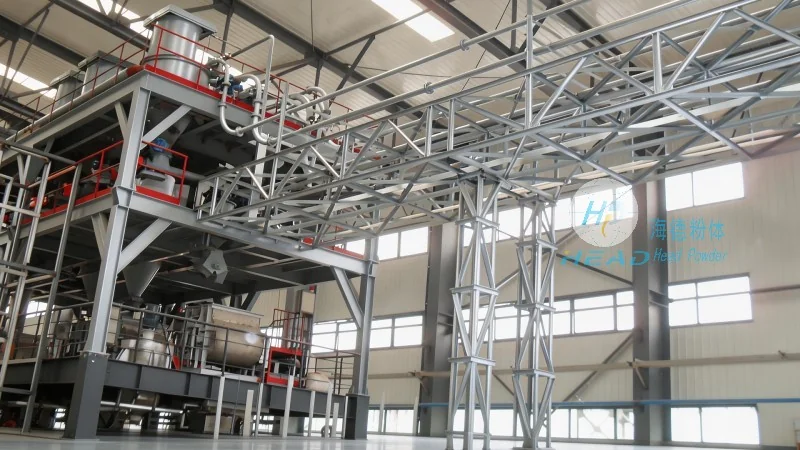
Vibratory conveyors use vibration to move powders through a trough. This method is ideal for handling fine powders that are prone to clogging or have high moisture content. The main advantage is its ability to transport powders gently, which minimizes product degradation and maintains product integrity. It is also suitable for long-distance transport and can handle a wide range of powder types. However, the system requires a vibration source, which can increase energy consumption. Additionally, the trough and vibration mechanism may need more maintenance compared to other mechanical systems.
5. Hybrid Conveying Systems
Hybrid conveying systems combine elements of pneumatic and mechanical methods to leverage the advantages of both. For example, a system may use a screw conveyor to transport powders to a point where a pneumatic conveyor takes over for the final stage of transport. This approach is often used for complex powder handling processes that require both gentle handling and long-distance transport. The main advantage is its flexibility and ability to handle a wide range of powder types and conditions. However, the system is more complex and may require more maintenance compared to single-method systems.
Conclusion
Choosing the right fine powder conveying method depends on a variety of factors, including the specific properties of the powder, the required transport distance, and the operational constraints of the process. Positive pressure pneumatic conveying is suitable for short distances and abrasive powders, while negative pressure systems are better for long distances and sensitive powders. Mechanical systems like screw and vibratory conveyors are cost-effective for horizontal transport but may not handle fine powders well. Hybrid systems offer flexibility but come with higher complexity and maintenance requirements. Shandong HeadPowder Engineering Co., Ltd. provides comprehensive solutions tailored to these needs, ensuring that clients can select the most appropriate conveying method for their industrial applications.

 Công ty TNHH Kỹ thuật Công trình Bột Hải Đức Sơn Đông
 156-6277-7102(Quản lý Trương)
  0531-83386006
  Quận Chương Khâu, Thành phố Tế Nam, Tỉnh Sơn Đông, Trung Quốc
Điện thoại
WeChatTư vấn
Lên đầu