Công ty Hải Đức Bột với hơn 10 năm kinh nghiệm vận chuyển khí, cung cấp hệ thống‑thiết bị‑quạt gió và nhận dự án tổng thầu bột cả nước
When it comes to the efficient handling of aluminum dross, selecting the right conveying method is crucial for optimizing production processes and ensuring safety. Aluminum dross, a byproduct of aluminum smelting and processing, requires specialized equipment to transport it from one location to another. In this article, we will explore the common aluminum dross conveying methods, evaluating their advantages and disadvantages to help industrial facilities make informed decisions.
Gravity Flow Conveying: Traditional and Cost-Effective
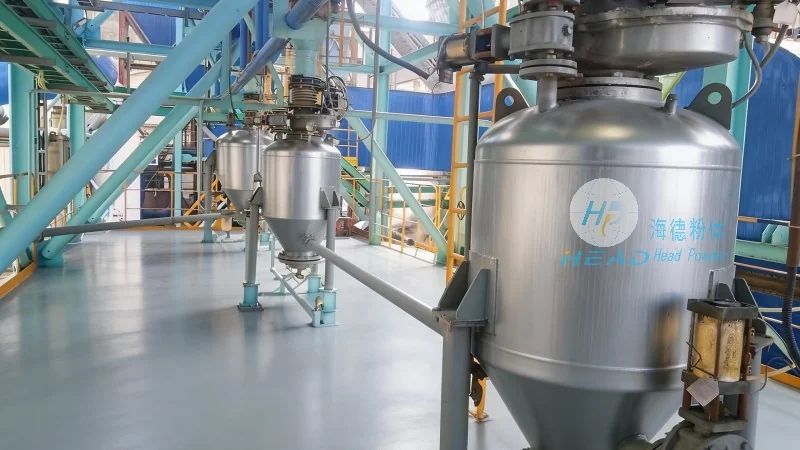
Gravity flow conveying, also known as a chute or trough system, relies on the natural force of gravity to move aluminum dross from a higher elevation to a lower one. This method is often considered one of the most traditional and cost-effective options for dross handling. The primary advantage of gravity flow is its simplicity; it typically involves a sloped pipe or channel that allows the dross to slide down without the need for external power. This reduces energy consumption and maintenance costs, making it an attractive choice for facilities with existing infrastructure that can accommodate a gravity-based system.
However, gravity flow conveying has several limitations. The most significant drawback is its dependence on the height difference between the source and destination. If the distance or elevation change is insufficient, the dross may not move efficiently, leading to clogging or the need for additional mechanical assistance. Additionally, the method is not suitable for long horizontal distances or when the dross needs to be transported to a different floor or level within a facility. The flow rate is also limited by the slope and the size of the chute, which may not meet the throughput requirements of modern aluminum processing plants.
Mechanical Conveying: Versatile and Reliable
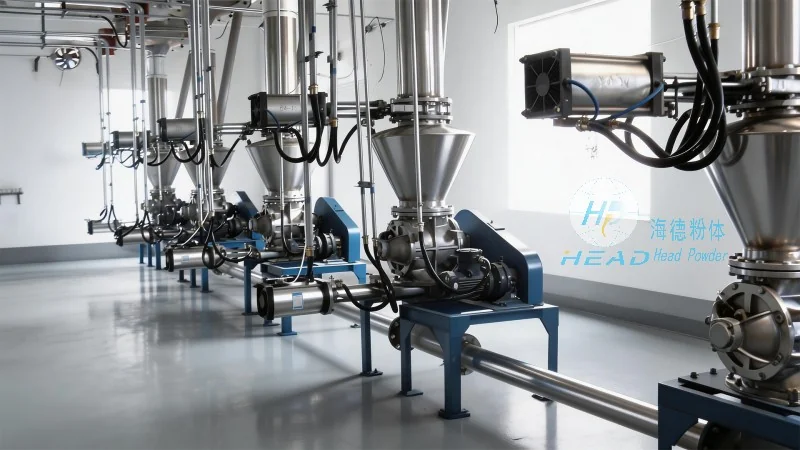
Mechanical conveying systems, such as screw conveyors, belt conveyors, and chain conveyors, utilize mechanical power to transport aluminum dross. These systems are highly versatile and can handle a wide range of dross types and volumes. One of the key advantages of mechanical conveyors is their ability to operate over longer distances and varying elevations, including both horizontal and vertical movement. They can be designed to handle different particle sizes and moisture content, making them suitable for diverse aluminum dross compositions.
Despite their versatility, mechanical conveying systems come with higher initial costs and maintenance requirements compared to gravity flow. Regular inspection and lubrication of moving parts are necessary to prevent wear and tear, which can lead to breakdowns and downtime. Additionally, the risk of clogging is higher with mechanical systems, especially when dealing with dross that contains moisture or fine particles. Proper design and maintenance are critical to ensure smooth operation and avoid costly repairs.
Gas-Pneumatic Conveying: High-Pressure and Efficient
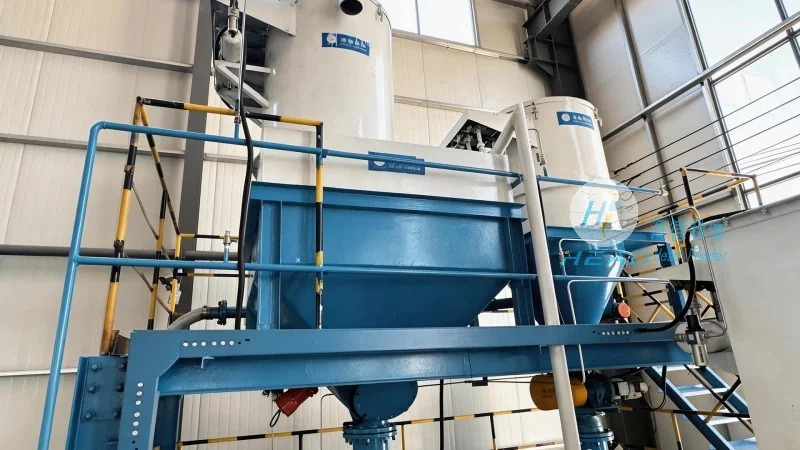
Gas-pneumatic conveying, or air-based conveying, uses compressed air to transport aluminum dross through a pipeline. This method is particularly effective for long-distance and high-volume dross transport, as it can move material over several hundred meters with minimal pressure loss. The primary advantage of pneumatic conveying is its ability to handle fine or dusty dross particles without the need for additional equipment. It also allows for the integration of multiple collection points and can be easily adapted to existing piping networks.
However, gas-pneumatic conveying has significant drawbacks, including higher energy consumption and the need for robust filtration systems to prevent dust accumulation in the air handling units. The high pressure required can also lead to increased wear on the pipeline and components, necessitating more frequent replacements. Furthermore, the method is not suitable for all dross types, as some materials may be too heavy or abrasive for efficient pneumatic transport. The cost of compressed air generation and filtration equipment adds to the overall operational expenses.
Choosing the Right Conveying Method for Your Facility
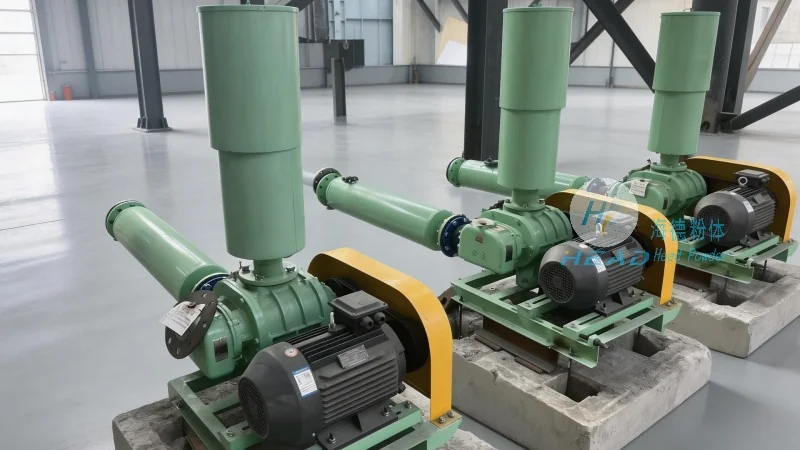
When selecting an aluminum dross conveying method, several factors must be considered, including the facility's layout, the volume and characteristics of the dross, budget constraints, and operational requirements. Gravity flow is ideal for short distances and simple layouts, while mechanical conveyors offer more flexibility for complex setups. Pneumatic conveying is best suited for long-distance or high-volume applications where speed and efficiency are paramount.
It is essential to consult with experts in the field, such as Shandong HeadPowder Engineering Co., Ltd., a leading provider of aluminum dross handling solutions. With years of experience in the industry, HeadPowder offers tailored conveying systems that address the unique needs of each client. Their expertise ensures that the chosen method not only meets the current operational demands but also accommodates future expansion and technological advancements.
By carefully evaluating the advantages and disadvantages of each conveying method, industrial facilities can make informed decisions that enhance productivity, reduce costs, and improve safety in aluminum dross handling. The right choice of conveying system is a critical component of an efficient aluminum processing operation, and with the right guidance, facilities can achieve optimal performance and longevity.

 Công ty TNHH Kỹ thuật Công trình Bột Hải Đức Sơn Đông
 156-6277-7102(Quản lý Trương)
  0531-83386006
  Quận Chương Khâu, Thành phố Tế Nam, Tỉnh Sơn Đông, Trung Quốc
Điện thoại
WeChatTư vấn
Lên đầu