Công ty Hải Đức Bột với hơn 10 năm kinh nghiệm vận chuyển khí, cung cấp hệ thống‑thiết bị‑quạt gió và nhận dự án tổng thầu bột cả nước
When it comes to the efficient and reliable transportation of carbon powder, selecting the right conveying method is crucial for industrial operations. As a leading provider in the field, Shandong HeadPowder Engineering Co., Ltd. specializes in delivering advanced solutions tailored to the unique needs of various industries. Based in Shandong, China, the company has built a reputation for excellence in carbon powder handling systems, ensuring optimal performance and minimal downtime.
Understanding Carbon Powder Conveying: The Core Challenges
Carbon powder, with its fine particle size and potential for static charge, presents specific challenges during transportation. Traditional methods may struggle with issues such as dust accumulation, material segregation, and equipment wear. To address these challenges, modern conveying systems have evolved to incorporate advanced technologies that enhance efficiency, safety, and sustainability. The choice of conveying method depends on factors like material properties, production scale, and operational environment, making it essential to evaluate each option carefully.
Common Methods for Carbon Powder Conveying
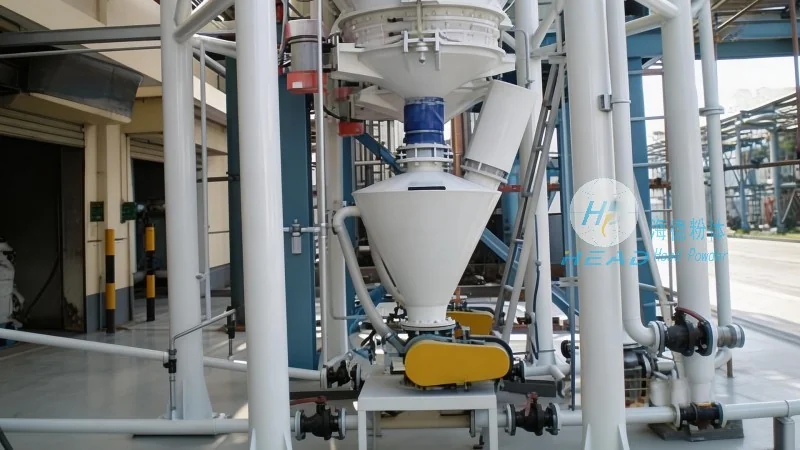
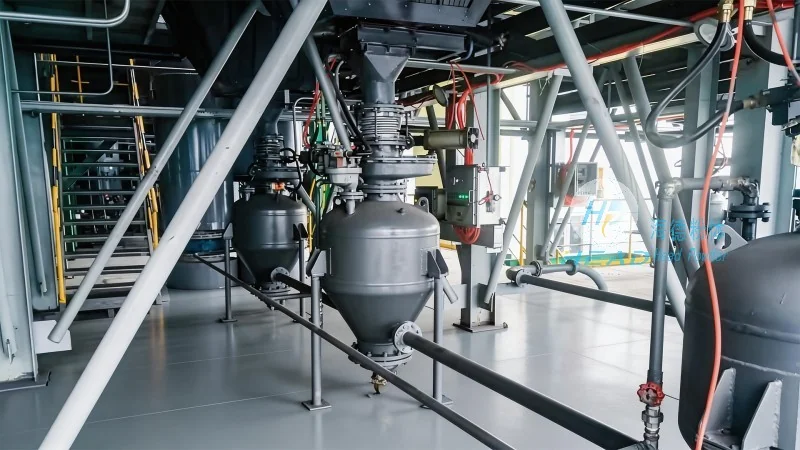
Several effective methods are commonly employed for carbon powder conveying, each with its own advantages and applications. The most prevalent approach is air-assisted pneumatic conveying, which uses compressed air to transport powder through a network of pipes. This method is ideal for long-distance and high-volume transport, offering flexibility and the ability to handle abrasive or sensitive materials. Pneumatic systems can be further categorized into pressure and vacuum types, with pressure systems typically used for short to medium distances and vacuum systems for longer runs.
Another widely used method is mechanical screw or auger conveyors. These systems utilize rotating screws to move powder through a tube, providing a continuous and controlled flow. Screw conveyors are particularly suitable for handling bulk materials with moderate to high moisture content, as they can maintain a stable and consistent transport rate. However, they may not be as effective for very fine powders or materials prone to caking, as the screw design can cause compaction and blockages.
For applications requiring high-speed and low-maintenance transport, belt conveyors are often preferred. These systems use a continuous belt to move carbon powder over rollers, making them suitable for horizontal and slight incline transport. Belt conveyors are known for their durability and ability to handle large quantities of material, but they may require more space and regular maintenance to prevent belt wear and slippage.
Additionally, bucket elevators are employed in vertical or steep incline applications, where carbon powder needs to be lifted to significant heights. These systems use a series of buckets attached to a chain or belt, which transport the material upward. Bucket elevators are efficient for vertical transport but may have limitations in handling very fine powders due to potential dusting and material spillage.
Key Considerations for Selecting the Right Conveying System
When choosing a conveying method for carbon powder, several factors must be considered to ensure optimal performance. First, the particle size and flowability of the material play a critical role. Fine powders may require air-assisted systems to prevent blockages, while larger particles might be better suited for mechanical conveyors. Second, the production capacity and required throughput must align with the system's capabilities. High-volume operations may benefit from pneumatic or belt systems, while smaller-scale applications might use screw or bucket elevators.
Environmental and safety considerations are also paramount. Carbon powder can generate static electricity, which may lead to dust explosions in certain environments. Therefore, systems must incorporate grounding and anti-static measures to mitigate risks. Additionally, the space availability and layout of the facility influence the choice of conveyor type, as some systems require more horizontal space than others.
Conclusion: Partnering with HeadPowder for Effective Conveying Solutions
Efficient carbon powder conveying is essential for maintaining productivity and safety in industrial processes. By understanding the unique properties of carbon powder and the capabilities of different conveying methods, companies can select the most suitable system for their operations. Shandong HeadPowder Engineering Co., Ltd., with its expertise and commitment to quality, offers comprehensive solutions that address the specific challenges of carbon powder handling. Whether through pneumatic, mechanical, or other advanced systems, the company ensures that carbon powder is transported reliably and efficiently, supporting the success of its clients in various industries.

 Công ty TNHH Kỹ thuật Công trình Bột Hải Đức Sơn Đông
 156-6277-7102(Quản lý Trương)
  0531-83386006
  Quận Chương Khâu, Thành phố Tế Nam, Tỉnh Sơn Đông, Trung Quốc
Điện thoại
WeChatTư vấn
Lên đầu