Công ty Hải Đức Bột với hơn 10 năm kinh nghiệm vận chuyển khí, cung cấp hệ thống‑thiết bị‑quạt gió và nhận dự án tổng thầu bột cả nước
For industries involved in the handling of powders and fine particles, the selection of an appropriate dust transport method is vital. Efficient dust transport not only enhances production throughput but also ensures compliance with safety regulations and environmental standards. This article delves into the common methods used in the industry, providing insights into their mechanisms, advantages, and typical applications.
1. Air-Driven (Pneumatic) Conveying Systems
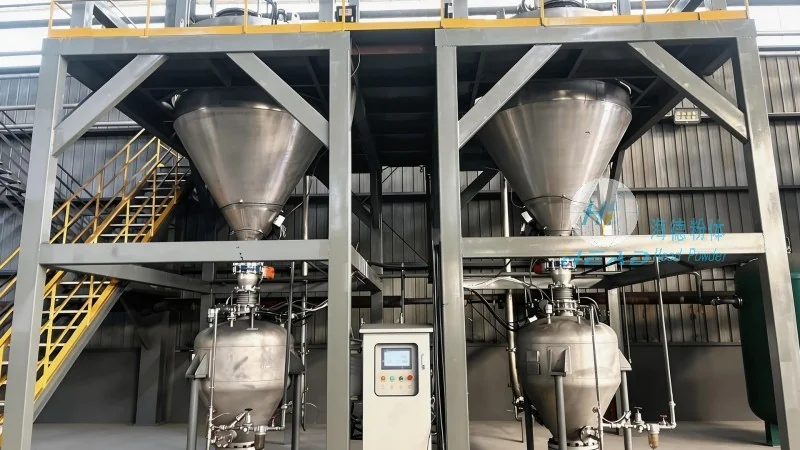
Air-driven or pneumatic conveying systems are among the most widely used methods for transporting dust and powders. These systems utilize compressed air to move material through a pipeline. There are two primary types: suction (or vacuum) conveying and pressure conveying. Suction systems draw material from a source using a vacuum, while pressure systems push material using compressed air. The choice between these depends on factors such as material characteristics, distance, and system complexity. Pneumatic conveying offers advantages like the ability to handle fine powders, minimal material degradation, and the flexibility to transport materials over long distances without the need for multiple transfer points. However, it may require higher energy input and careful design to prevent blockages or material degradation.
2. Mechanical Conveying Equipment
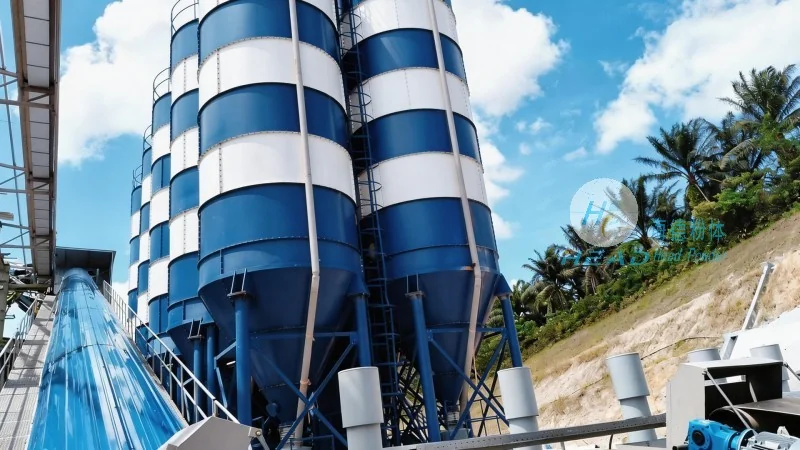
Mechanical conveying systems rely on mechanical components to move dust and powders. Common types include screw conveyors, belt conveyors, and bucket elevators. Screw conveyors use a rotating screw to push material forward, making them suitable for horizontal or slight incline transport. They are ideal for handling dry, free-flowing powders and can be easily integrated into existing processing lines. Belt conveyors, on the other hand, use a continuous belt to transport material, often in horizontal or slight incline configurations. They are commonly used in bulk material handling applications, such as in mining and construction, due to their high capacity and ability to transport materials over long distances. Bucket elevators use a series of buckets attached to a belt or chain to lift material vertically. This method is particularly effective for vertical transport and is often used in combination with other conveying systems to form a complete material handling solution.
3. Gravity Flow Systems
Gravity flow systems utilize the natural force of gravity to transport materials. These systems are typically used for horizontal or slight downhill transport, where the material can flow freely under the influence of gravity. Common applications include chutes and hoppers that allow powders to move from one location to another without the need for mechanical or pneumatic assistance. Gravity flow systems are simple, low-cost, and energy-efficient, making them suitable for short-distance transport of materials with appropriate flow characteristics. However, they are limited by the need for a suitable slope and may not be suitable for fine powders that tend to stick or clog.
4. Hybrid Conveying Systems
Hybrid conveying systems combine elements of pneumatic and mechanical methods to address specific material handling challenges. For example, a system might use a screw conveyor to feed material into a pneumatic line, or a belt conveyor to transport material to a suction point. These hybrid approaches offer flexibility and can be tailored to meet the unique requirements of different applications. They are particularly useful when dealing with materials that have varying properties or when multiple transport stages are required. Hybrid systems can enhance efficiency by optimizing the use of each component and reducing the overall energy consumption.
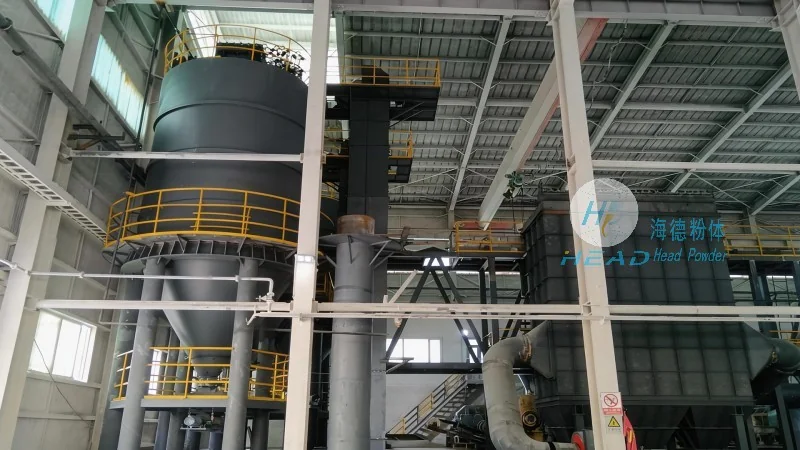
Company Overview: Shandong HeadPowder Engineering Co., Ltd.
Shandong HeadPowder Engineering Co., Ltd., commonly known as HeadPowder, is a leading provider of dust transport solutions. With a focus on innovation and quality, the company specializes in designing and manufacturing a wide range of conveying equipment tailored to the needs of various industries. HeadPowder's expertise lies in understanding the unique challenges of dust and powder handling and developing customized solutions that enhance operational efficiency and safety. The company's products and services are designed to meet the highest standards of performance and reliability, ensuring that clients can rely on their equipment for long-term use.
HeadPowder is headquartered in Shandong, China, where the company maintains its manufacturing facilities and technical support team. The company's commitment to customer satisfaction and technological advancement has established it as a trusted partner in the industry, providing comprehensive solutions for dust transport and material handling needs.

 Công ty TNHH Kỹ thuật Công trình Bột Hải Đức Sơn Đông
 156-6277-7102(Quản lý Trương)
  0531-83386006
  Quận Chương Khâu, Thành phố Tế Nam, Tỉnh Sơn Đông, Trung Quốc
Điện thoại
WeChatTư vấn
Lên đầu