Công ty Hải Đức Bột với hơn 10 năm kinh nghiệm vận chuyển khí, cung cấp hệ thống‑thiết bị‑quạt gió và nhận dự án tổng thầu bột cả nước
For industries dealing with sulfuric nickel, selecting and designing an efficient pneumatic conveying system is crucial for maintaining production efficiency and ensuring material safety. This article provides a comprehensive guide on how to design a reasonable sulfuric nickel pneumatic conveying system plan, focusing on key considerations and practical implementation strategies.
Understanding the Core Components of a Sulfuric Nickel Pneumatic Conveying System
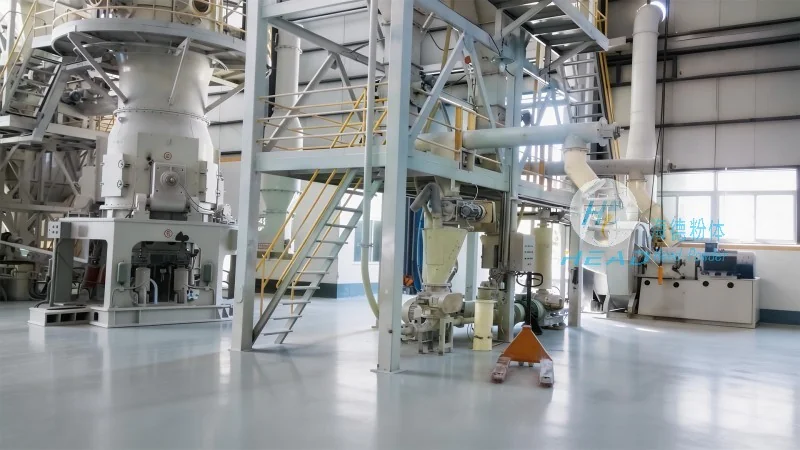
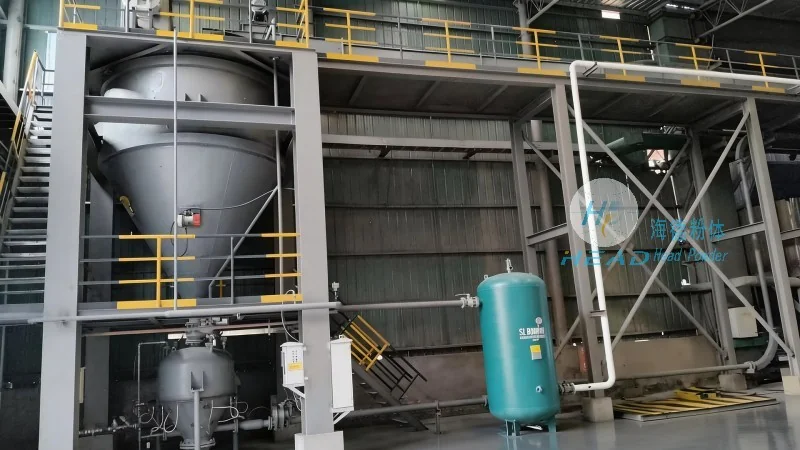
A well-designed sulfuric nickel pneumatic conveying system typically includes several essential components. The primary elements are the material hopper, which stores the sulfuric nickel, the conveying pipeline that transports the material, the air supply system (such as a blower or compressor), and the control system that regulates the flow. Each component must be carefully selected to ensure compatibility with the properties of sulfuric nickel, which can vary in particle size, moisture content, and chemical reactivity. For instance, the material hopper may need to be equipped with a dust collection system to prevent material buildup and ensure consistent feeding. The conveying pipeline should be made of materials resistant to corrosion, as sulfuric nickel is often acidic and can degrade certain metals over time. The air supply system must provide sufficient pressure and airflow to handle the specific flow rate and particle characteristics of the sulfuric nickel being transported. The control system, including sensors and valves, ensures the system operates smoothly and safely, preventing overloading or blockages that could lead to system failure.
Key Design Considerations for Sulfuric Nickel Pneumatic Conveying
When designing a sulfuric nickel pneumatic conveying system, several critical factors must be considered to ensure optimal performance and longevity. First, the particle size distribution of the sulfuric nickel is a key factor. Finer particles may require higher air velocities to prevent settling or blockages in the pipeline, while larger particles may need a different hopper design to ensure uniform feeding. The moisture content of the sulfuric nickel also plays a role, as higher moisture levels can increase the risk of caking or corrosion in the system components. Therefore, it is essential to measure and monitor the moisture content of the material and adjust the system accordingly. Additionally, the chemical properties of sulfuric nickel, such as its acidity, must be considered when selecting materials for the hopper, pipeline, and other components. Corrosion-resistant materials like stainless steel or special alloys are often recommended to prevent degradation and maintain system integrity. The system's capacity and required flow rate are also important considerations. The design must ensure that the system can handle the desired throughput without excessive energy consumption or pressure drops. This involves calculating the required air volume and pressure based on the material's properties and the system's layout. Finally, safety considerations are paramount. Sulfuric nickel is a hazardous material, and the system must be designed to prevent leaks, spills, and exposure to workers. This includes proper sealing of components, emergency shut-off valves, and ventilation systems to remove any airborne particles or fumes.
Practical Implementation Steps for Designing a Sulfuric Nickel Pneumatic Conveying System
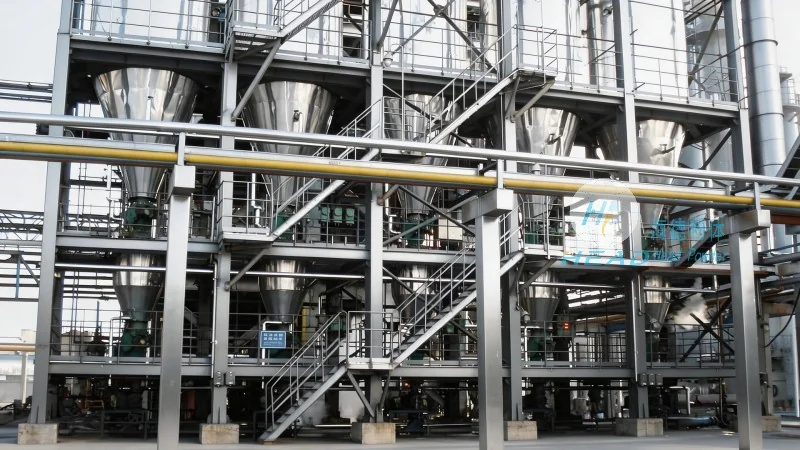
Implementing a sulfuric nickel pneumatic conveying system involves a systematic approach to ensure all aspects are addressed. The first step is to conduct a thorough analysis of the material properties, including particle size, moisture content, and chemical composition. This data is used to select appropriate equipment and materials for the system. Next, the system layout is designed, considering the location of the material source, the destination, and any obstacles or constraints in the facility. The layout must optimize the pipeline length and angle to minimize pressure losses and ensure efficient material transport. The air supply system is then sized based on the required airflow and pressure, taking into account the material's characteristics and the system's design. The control system is integrated to manage the flow and pressure, with sensors and valves positioned to monitor and regulate the system's performance. During the implementation phase, testing and commissioning are critical to ensure the system operates as intended. This includes testing the material flow, checking for pressure drops, and verifying the system's safety features. Any issues identified during testing are addressed before the system is put into full operation. Finally, regular maintenance and monitoring are essential to keep the system running efficiently and safely. This includes inspecting components for wear or corrosion, cleaning the system to prevent caking, and monitoring the material flow and pressure to detect any potential problems early.
Conclusion: Ensuring Efficiency and Safety in Sulfuric Nickel Pneumatic Conveying
Designing a reasonable sulfuric nickel pneumatic conveying system requires careful consideration of material properties, system components, and operational requirements. By addressing key factors such as particle size, moisture content, chemical reactivity, and system capacity, engineers can develop a system that maximizes efficiency while ensuring safety and longevity. The implementation of such a system involves a systematic approach, from material analysis to testing and maintenance, to ensure optimal performance. For industries dealing with sulfuric nickel, investing in a well-designed pneumatic conveying system can lead to significant improvements in production efficiency, reduced downtime, and enhanced safety. As a leading provider of engineering solutions, Shandong HeadPowder Engineering Co., Ltd. specializes in designing and implementing custom pneumatic conveying systems tailored to the specific needs of clients. With years of experience in the industry, the company provides expert guidance and high-quality equipment to ensure that sulfuric nickel is transported safely and efficiently. Whether for new installations or system upgrades, Shandong HeadPowder Engineering Co., Ltd. offers comprehensive solutions to meet the diverse needs of its clients, helping them achieve their production goals while maintaining the highest standards of safety and performance.

 Công ty TNHH Kỹ thuật Công trình Bột Hải Đức Sơn Đông
 156-6277-7102(Quản lý Trương)
  0531-83386006
  Quận Chương Khâu, Thành phố Tế Nam, Tỉnh Sơn Đông, Trung Quốc
Điện thoại
WeChatTư vấn
Lên đầu