Công ty Hải Đức Bột với hơn 10 năm kinh nghiệm vận chuyển khí, cung cấp hệ thống‑thiết bị‑quạt gió và nhận dự án tổng thầu bột cả nước
When it comes to designing an efficient and reliable lysine pneumatic conveying system, several key factors must be considered to ensure optimal performance and cost-effectiveness. The process involves careful analysis of material properties, operational requirements, and environmental considerations to develop a system that meets both current and future production needs.
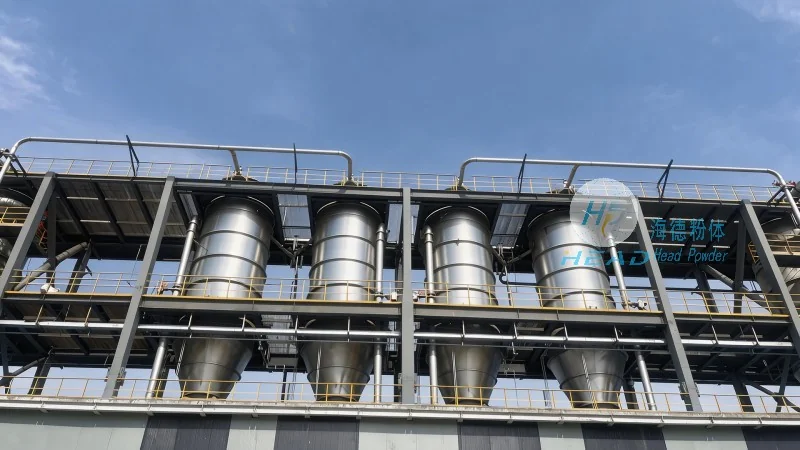
Company Overview
HeadPowder, a leading engineering firm based in Shandong, China, specializes in the design and implementation of advanced pneumatic conveying solutions for the chemical and food processing industries. With years of experience in handling sensitive materials like lysine, the company leverages its expertise to deliver customized systems that enhance productivity while maintaining product integrity.
Key Design Considerations for Lysine Pneumatic Conveying
The first step in designing a lysine pneumatic conveying system is to evaluate the physical and chemical characteristics of the material. Lysine, a crucial amino acid used in animal feed and pharmaceuticals, has specific handling requirements due to its hygroscopic nature and potential for dust generation. Engineers at HeadPowder analyze factors such as particle size distribution, bulk density, and moisture content to select the appropriate conveying method—whether it's a positive or negative pressure system. Positive pressure systems are often preferred for lysine as they provide better control over dust and prevent contamination from external air.
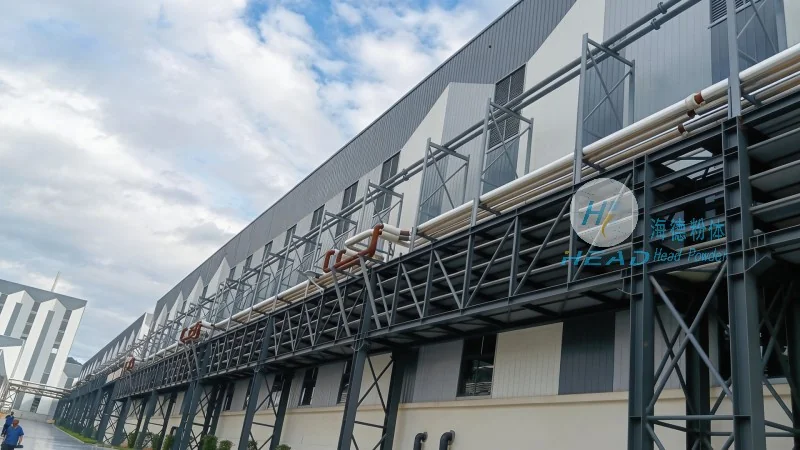
Core Components of the Lysine Pneumatic Conveying System
A well-designed lysine pneumatic conveying system typically includes several critical components that work in tandem to ensure smooth material transport. The primary components are the material feed hopper, which stores and feeds the lysine into the system, and the air compressor or blower that generates the necessary airflow. The pipeline system, made from corrosion-resistant materials like stainless steel, is designed to handle the material's properties and maintain hygiene standards. Additionally, the system incorporates dust collection and filtration equipment to comply with environmental regulations and protect the environment from particulate emissions.
System Layout and Optimization Strategies
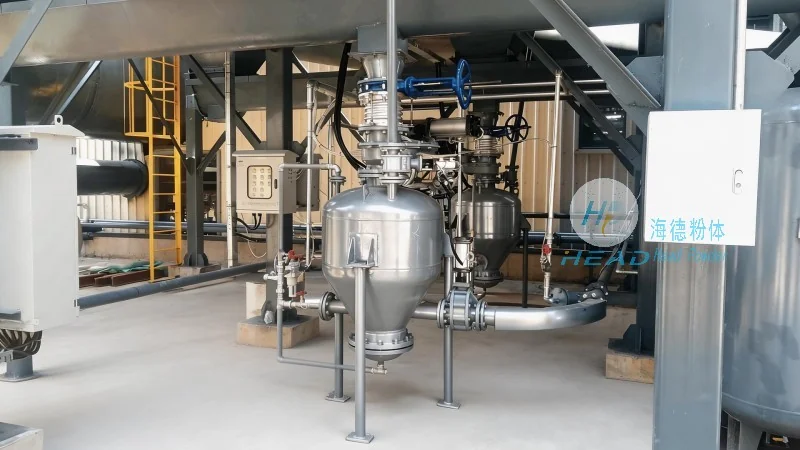
The layout of the lysine pneumatic conveying system is critical for minimizing energy consumption and maximizing efficiency. Engineers at HeadPowder consider the plant's layout, existing infrastructure, and future expansion plans when designing the system. They use computational fluid dynamics (CFD) simulations to model airflow patterns and identify potential bottlenecks or areas of high pressure loss. By optimizing the pipeline diameter, length, and bends, the system can operate with lower air pressure, reducing energy costs and extending the lifespan of components. Furthermore, the integration of automated controls allows for real-time monitoring of system performance, enabling quick adjustments to maintain optimal conveying rates.
Safety and Maintenance Protocols
Ensuring the safety of personnel and the integrity of the lysine product is paramount in any pneumatic conveying system. HeadPowder incorporates various safety features, such as explosion-proof air compressors, pressure relief valves, and emergency shut-off systems, to mitigate risks associated with material handling. Regular maintenance is also essential to prevent system failures and ensure consistent performance. The company provides comprehensive maintenance services, including routine inspections, component replacement, and performance testing, to keep the system operating at peak efficiency. By adhering to strict maintenance protocols, customers can extend the system's lifespan and reduce long-term operational costs.
Conclusion
Designing a reasonable lysine pneumatic conveying system requires a comprehensive approach that balances technical expertise, material properties, and operational needs. HeadPowder Engineering Co., Ltd., with its headquarters in Shandong, China, offers tailored solutions that address the unique challenges of lysine handling. By leveraging advanced engineering principles and industry best practices, the company helps clients achieve efficient, reliable, and cost-effective material transport systems. Whether for new installations or system upgrades, HeadPowder's expertise ensures that the final design meets the highest standards of performance and safety.

 Công ty TNHH Kỹ thuật Công trình Bột Hải Đức Sơn Đông
 156-6277-7102(Quản lý Trương)
  0531-83386006
  Quận Chương Khâu, Thành phố Tế Nam, Tỉnh Sơn Đông, Trung Quốc
Điện thoại
WeChatTư vấn
Lên đầu