Công ty Hải Đức Bột với hơn 10 năm kinh nghiệm vận chuyển khí, cung cấp hệ thống‑thiết bị‑quạt gió và nhận dự án tổng thầu bột cả nước
Designing an efficient and reliable sand and gravel pneumatic conveying system is a critical task for industries dealing with bulk materials. A well-planned system not only ensures smooth material transfer but also minimizes operational costs and enhances safety. This article provides a comprehensive guide to designing a reasonable sand and gravel pneumatic conveying system, incorporating key considerations and best practices from industry experts at Shandong HeadPowder Engineering Co., Ltd., a leading provider in the field.
Understanding the Core Requirements for Sand and Gravel Conveying
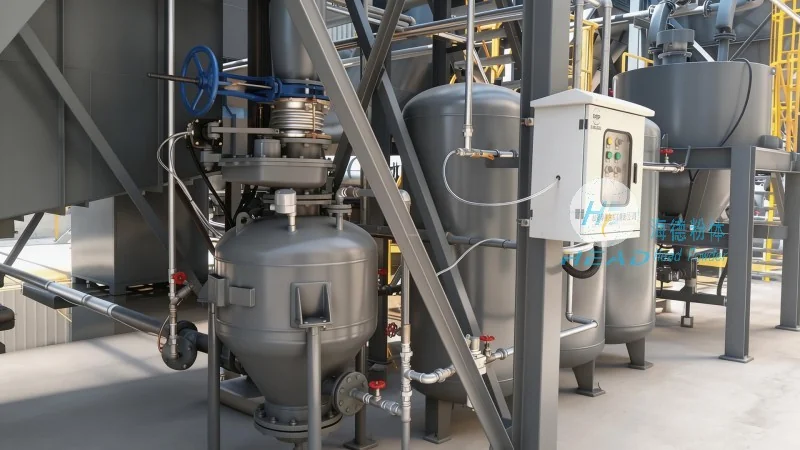
Before diving into system design, it is essential to thoroughly analyze the specific requirements of the sand and gravel material being handled. Factors such as particle size distribution, moisture content, bulk density, and abrasiveness significantly impact the choice of conveying method and equipment. For instance, fine-grained sand with high moisture content may require a different approach compared to coarse gravel with low moisture levels. By accurately characterizing the material properties, engineers can select the most suitable pneumatic conveying system type—whether it be positive pressure, negative pressure, or a combination of both. This initial step ensures that the system is tailored to the unique characteristics of the sand and gravel, optimizing performance and longevity.
Key Design Considerations for Pneumatic Conveying Systems
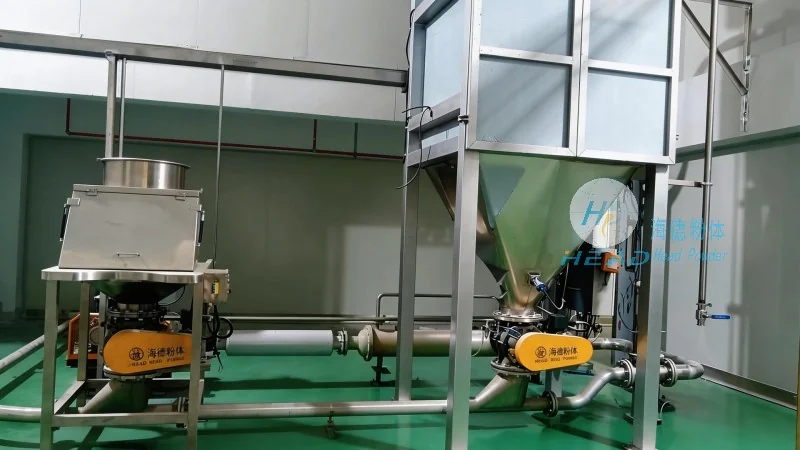
Several critical factors must be considered when designing a sand and gravel pneumatic conveying system. The first is the distance and layout of the conveying route. Long-distance or complex layouts may necessitate multiple stages or different system configurations to maintain material flow efficiency. Additionally, the choice between positive and negative pressure systems depends on the material's properties and the operational environment. Positive pressure systems are often preferred for abrasive materials like sand and gravel due to their ability to handle high-pressure air and reduce the risk of material degradation. The system's capacity, which is determined by the required flow rate, also plays a vital role in equipment selection. Shandong HeadPowder Engineering Co., Ltd. emphasizes that a balanced approach to these factors ensures the system meets both current and future operational needs.
Equipment Selection and System Components
The success of a sand and gravel pneumatic conveying system hinges on the proper selection of key components. The primary equipment includes the material feeder, which must handle the bulk material efficiently without blockages or spillage. For sand and gravel, a rotary valve or a star feeder is commonly used to provide a consistent material flow. The conveying line, typically made of stainless steel or other corrosion-resistant materials, must be designed to withstand the abrasive nature of the material. The air mover, such as a centrifugal blower or a positive displacement blower, is another critical component. The choice of blower depends on the system's pressure and flow requirements. The system also includes a dust separator or cyclone to separate the material from the air, ensuring clean air discharge and preventing material loss. Each component must be carefully matched to the system's specifications to achieve optimal performance and minimize maintenance.
System Layout and Installation Guidelines
Proper system layout and installation are crucial for the efficient operation of a sand and gravel pneumatic conveying system. The layout should minimize the number of bends and changes in direction, as excessive bends can cause pressure drops and material deposition. The height and angle of the conveying line must be designed to maintain the material's suspension in the air stream. For vertical or inclined sections, the velocity of the air must be sufficient to keep the particles airborne. Additionally, the system should include appropriate supports and bracing to handle the weight of the material and the pressure of the air. Shandong HeadPowder Engineering Co., Ltd. recommends consulting with experienced engineers to ensure the layout adheres to industry standards and maximizes system efficiency. Proper installation also involves regular checks for leaks and proper alignment of components to prevent operational issues.
Safety and Maintenance Protocols
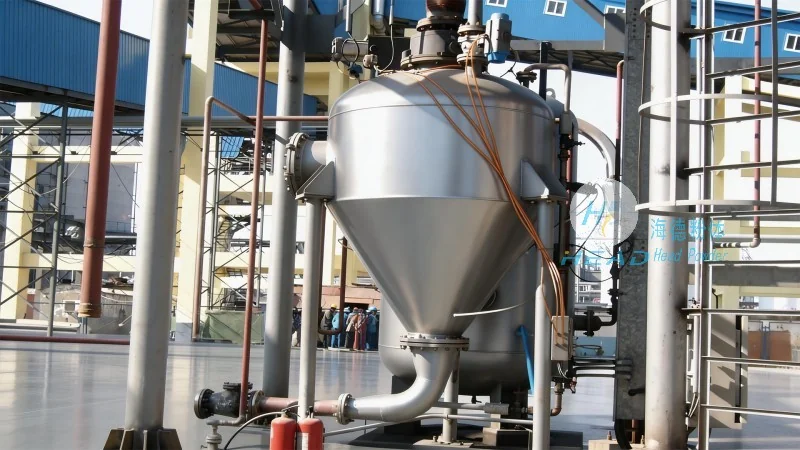
Ensuring the safety of personnel and the longevity of the system requires adherence to strict safety and maintenance protocols. Sand and gravel pneumatic conveying systems involve high-pressure air and moving parts, posing potential hazards if not properly managed. Regular inspections of the system components, such as the feeder, blower, and separator, are essential to identify and address any wear or damage. The system should also be equipped with safety features like pressure relief valves and emergency shut-off mechanisms. Maintenance schedules should be established based on the system's usage and the material's characteristics, with regular cleaning of the conveying line and separator to prevent clogging. By following these protocols, the system can operate safely and efficiently for extended periods, reducing downtime and maintenance costs.
Conclusion and Expert Guidance
Designing a reasonable sand and gravel pneumatic conveying system is a multifaceted process that requires careful consideration of material properties, system requirements, and operational constraints. Shandong HeadPowder Engineering Co., Ltd. offers expert guidance and tailored solutions to help industries achieve efficient and reliable material transfer. By following the best practices outlined in this article, engineers can design systems that meet their specific needs while optimizing performance and minimizing costs. The key to a successful system lies in thorough planning, proper equipment selection, and adherence to safety and maintenance protocols. With the right approach, sand and gravel pneumatic conveying systems can provide long-term benefits to industrial operations.

 Công ty TNHH Kỹ thuật Công trình Bột Hải Đức Sơn Đông
 156-6277-7102(Quản lý Trương)
  0531-83386006
  Quận Chương Khâu, Thành phố Tế Nam, Tỉnh Sơn Đông, Trung Quốc
Điện thoại
WeChatTư vấn
Lên đầu