Công ty Hải Đức Bột với hơn 10 năm kinh nghiệm vận chuyển khí, cung cấp hệ thống‑thiết bị‑quạt gió và nhận dự án tổng thầu bột cả nước
When it comes to managing cornmeal handling processes, selecting the appropriate pneumatic conveying system is a critical decision that impacts efficiency, product quality, and operational costs. For businesses in the food processing industry, especially those dealing with cornmeal, the right system can streamline operations and ensure consistent performance. This guide will walk you through the key considerations and steps to choose a suitable pneumatic conveying system tailored to your cornmeal handling needs.
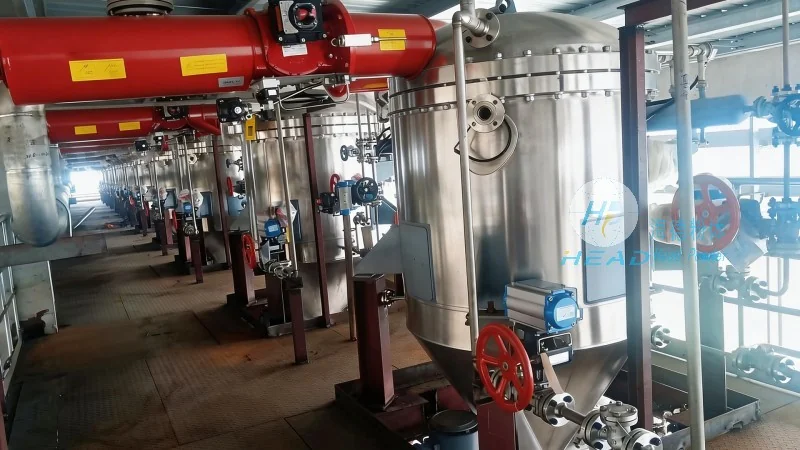
Understanding the Basics of Pneumatic Conveying for Cornmeal
Pneumatic conveying systems use air or gas to transport bulk materials like cornmeal from one location to another. Unlike mechanical systems, these systems offer advantages such as minimal product degradation, low maintenance requirements, and the ability to handle fine powders without clogging. For cornmeal, which is a fine powder, a well-designed pneumatic system can prevent agglomeration and maintain the product's quality throughout the conveying process. It's essential to understand the different types of pneumatic conveying systems available, including pressure and vacuum systems, to determine which best suits your cornmeal handling requirements.
Key Factors to Consider When Selecting a Pneumatic Conveying System
Choosing the right pneumatic conveying system for cornmeal involves evaluating several key factors. First, consider the material characteristics of cornmeal. Cornmeal is a fine, dry powder that can be prone to dusting and caking if not handled properly. The system must be designed to prevent these issues, ensuring the material remains in a free-flowing state. Second, assess the distance and elevation changes between the source and destination of the cornmeal. Longer distances or significant vertical lifts may require higher pressure systems or more robust components to maintain material flow. Third, evaluate the required capacity and flow rate. The system should be capable of handling the volume of cornmeal your operation needs, whether it's for small-scale production or large industrial facilities. Fourth, consider the environmental and safety requirements. Pneumatic systems should be designed to minimize dust emissions and comply with local regulations, ensuring a safe working environment for your staff.
Types of Pneumatic Conveying Systems for Cornmeal
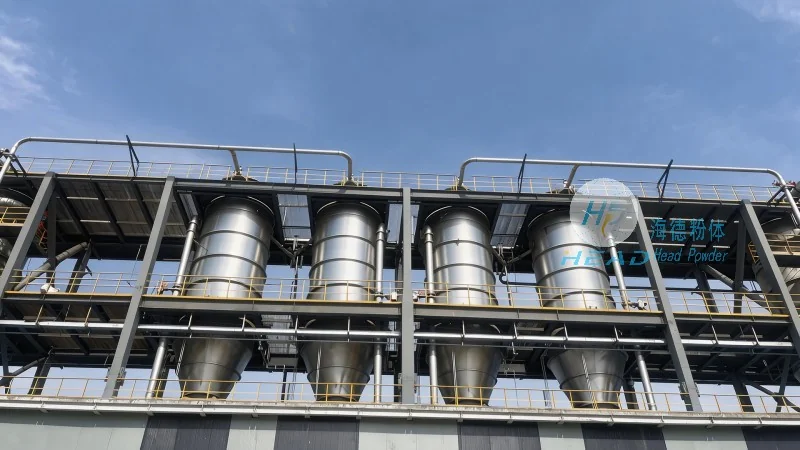
There are primarily two types of pneumatic conveying systems used for cornmeal: pressure and vacuum systems. Pressure systems use compressed air to push the cornmeal through a pipeline, while vacuum systems use a vacuum to pull the material. For cornmeal, pressure systems are often preferred due to their ability to handle longer distances and higher capacities. However, vacuum systems may be suitable for shorter distances or when the cornmeal needs to be transported from multiple points to a central collection point. The choice between these systems depends on the specific layout of your cornmeal handling process and the operational constraints you face.
Components of a Pneumatic Conveying System for Cornmeal
A pneumatic conveying system for cornmeal typically consists of several key components. These include a hopper or feeder to store and meter the cornmeal, a conveying line (usually made of stainless steel to prevent corrosion and contamination), a blower or compressor to generate the air pressure, and a receiver or silo to collect the cornmeal at the destination. The hopper and feeder are critical components as they ensure a consistent flow of cornmeal into the system, preventing blockages and maintaining system efficiency. The conveying line must be properly sized and designed to handle the pressure and flow rates required for cornmeal transport. The blower or compressor must be capable of providing sufficient air volume and pressure to move the cornmeal through the system without excessive energy consumption. Finally, the receiver or silo should be designed to store the cornmeal safely and efficiently, with features like dust collection and level monitoring to ensure proper operation.
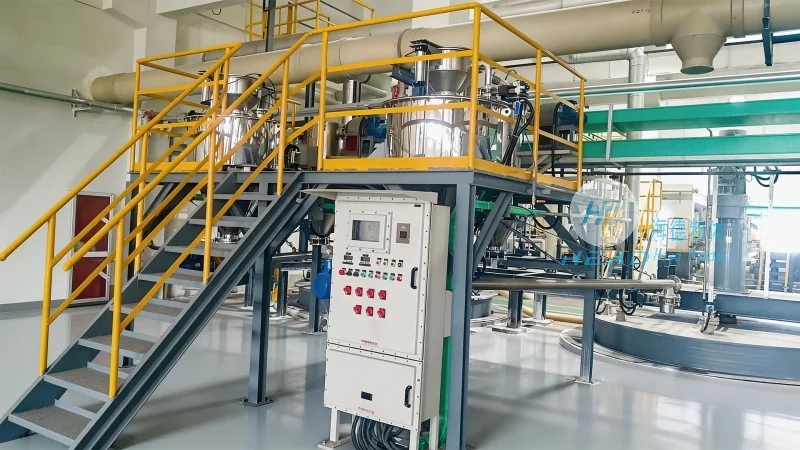
Customizing the System for Your Specific Cornmeal Handling Needs
Every cornmeal handling process is unique, and a one-size-fits-all pneumatic conveying system may not be the best solution. It's important to work with a supplier who can customize the system to meet your specific requirements. For example, if your cornmeal handling process involves multiple processing stages, the system may need to be integrated with other equipment, such as mixers or dryers. If you have limited space, a compact system design may be necessary. Additionally, the system should be designed to accommodate any future expansion or changes in your cornmeal handling operations. A reputable supplier like Shandong HeadPowder Engineering Co., Ltd. can provide expert guidance and customized solutions to ensure the system meets all your needs and delivers long-term benefits.
Installation and Maintenance Considerations
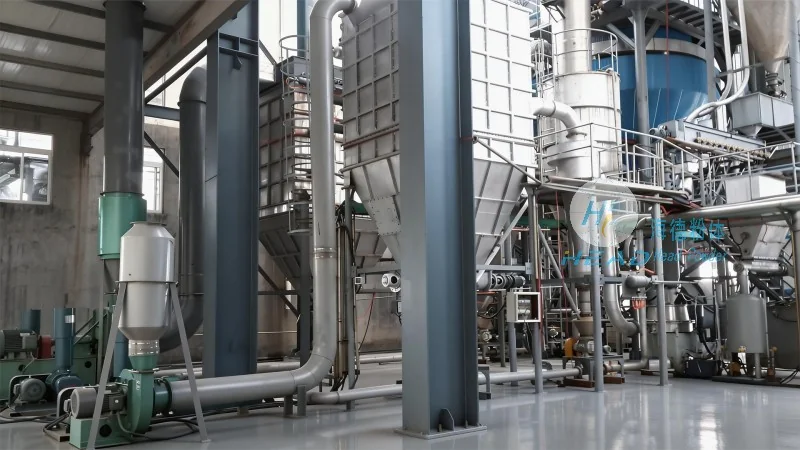
Proper installation and regular maintenance are crucial for the long-term performance and reliability of a pneumatic conveying system for cornmeal. During installation, it's important to ensure that all components are properly aligned and connected to prevent leaks or blockages. The system should be installed with appropriate supports and bracing to handle the weight and vibrations of the conveying line. Regular maintenance, including cleaning the hopper, checking the blower or compressor, and inspecting the conveying line for wear or damage, is essential to keep the system running efficiently. A well-maintained system will not only ensure consistent performance but also extend the lifespan of the equipment and reduce long-term costs.
Conclusion: Choosing the Right Pneumatic Conveying System for Your Cornmeal Handling Process
Selecting the right pneumatic conveying system for your cornmeal handling process is a decision that requires careful consideration of material characteristics, operational requirements, and system components. By understanding the different types of systems available and evaluating key factors such as distance, capacity, and safety, you can choose a system that optimizes your operations and maintains the quality of your cornmeal. Working with a trusted supplier like Shandong HeadPowder Engineering Co., Ltd. can provide the expertise and customized solutions needed to ensure the system meets all your needs and delivers long-term benefits. Whether you're a small-scale operation or a large industrial facility, investing in the right pneumatic conveying system is a smart choice that can enhance efficiency, reduce costs, and improve the overall performance of your cornmeal handling process.

 Công ty TNHH Kỹ thuật Công trình Bột Hải Đức Sơn Đông
 156-6277-7102(Quản lý Trương)
  0531-83386006
  Quận Chương Khâu, Thành phố Tế Nam, Tỉnh Sơn Đông, Trung Quốc
Điện thoại
WeChatTư vấn
Lên đầu