Công ty Hải Đức Bột với hơn 10 năm kinh nghiệm vận chuyển khí, cung cấp hệ thống‑thiết bị‑quạt gió và nhận dự án tổng thầu bột cả nước
When it comes to handling fiber materials in industrial processes, selecting the appropriate pneumatic conveying system is crucial for ensuring efficient material transport, maintaining product quality, and optimizing operational costs. Fiber materials, such as wood chips, paper pulp, or textile fibers, present unique challenges due to their physical properties like particle size, moisture content, and flow characteristics. The right pneumatic conveying system not only facilitates smooth material movement but also protects the integrity of the fibers, preventing damage that could affect downstream processes.
Key Factors to Consider in System Selection
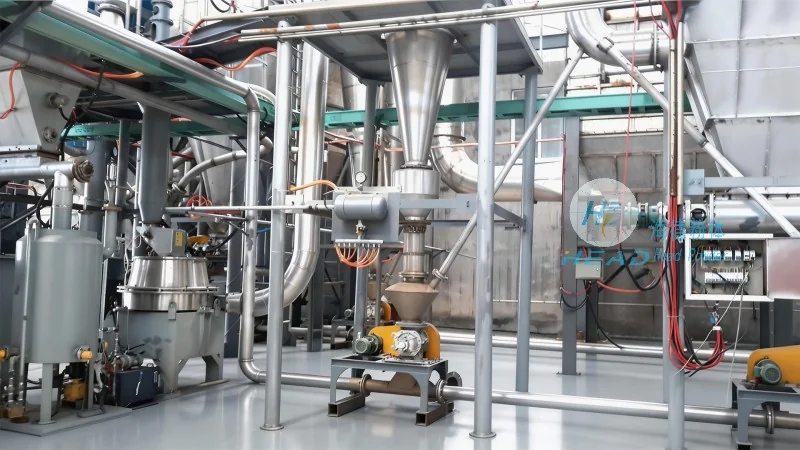
Choosing the right pneumatic conveying system for fiber materials involves evaluating several critical factors. First, the physical characteristics of the fiber material are paramount. Factors like particle size distribution, bulk density, and moisture level significantly impact system design. For instance, fine fibers may require systems with higher air velocities to prevent clogging, while larger, bulkier fibers might benefit from lower velocity designs that reduce wear on equipment. The moisture content is another critical consideration, as excessive moisture can lead to material agglomeration and increased friction, affecting system performance and maintenance requirements.
Second, the required conveying distance and layout of the facility play a vital role. Systems designed for short distances may use simpler configurations like venturi or pressure systems, while long-distance applications often necessitate more complex setups with multiple stages or booster units. The layout of the plant, including the locations of the material source, processing points, and storage areas, must be carefully considered to ensure the chosen system can accommodate the required routing and minimize installation costs.
Third, operational efficiency and maintenance considerations are essential. The system should offer optimal throughput while maintaining energy efficiency. Factors like air pressure requirements, power consumption, and the frequency of maintenance tasks should be evaluated. For example, systems with lower air pressure may consume less energy but could require more frequent cleaning or maintenance to prevent blockages. Additionally, the durability of components, especially those in contact with abrasive fiber materials, is crucial to minimize downtime and repair costs.
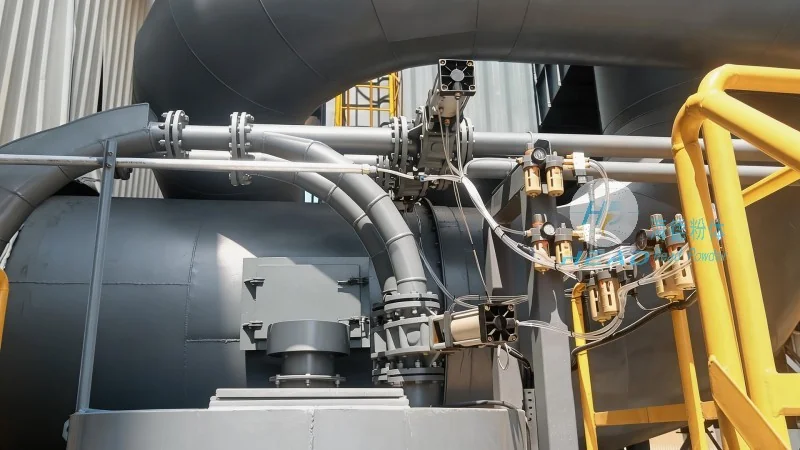
Types of Pneumatic Conveying Systems for Fiber Materials
Several types of pneumatic conveying systems are available, each with distinct advantages and suitable applications for fiber materials. The primary categories include pressure systems, vacuum systems, and hybrid systems. Pressure systems, which use compressed air to push material through the pipeline, are commonly used for short to medium distances and are effective for handling dry, free-flowing fibers. These systems typically operate at higher air pressures (up to 100 psi or more) and are suitable for applications where the material source is elevated or where the destination is at a higher elevation.
Vacuum systems, on the other hand, use suction to draw material into the pipeline, making them ideal for applications where the material source is at a lower level or where the material needs to be collected from multiple points. These systems operate at lower air pressures (usually below 15 psi) and are particularly effective for handling fine or dusty fibers that might be difficult to push through a pressure system. Vacuum systems are often preferred in environments where dust control is a priority, as they can help contain particles and reduce airborne emissions.
Hybrid systems combine elements of both pressure and vacuum systems, offering flexibility for complex conveying routes. These systems may use a pressure section to move material from the source to a central point and then switch to a vacuum section to transport it to the destination. This approach is particularly useful for long-distance or multi-stage applications, as it allows for efficient material transport while minimizing energy consumption and wear on components.
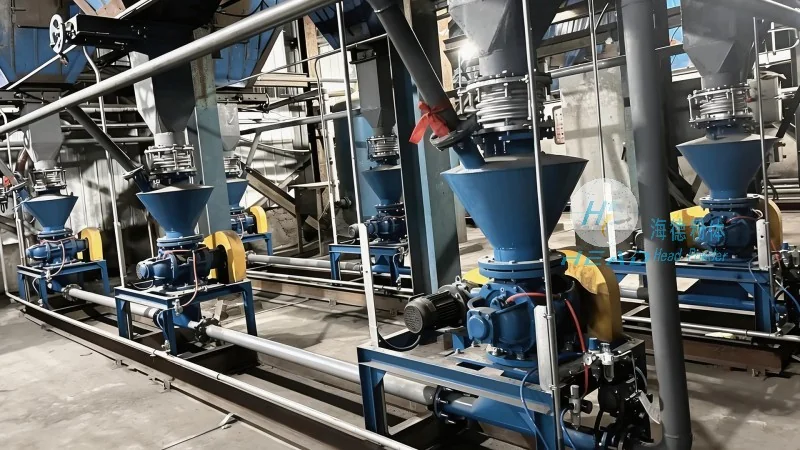
Role of HeadPowder in Fiber Material Handling Solutions
Shandong HeadPowder Engineering Co., Ltd., a leading provider of industrial material handling solutions, specializes in designing and manufacturing customized pneumatic conveying systems tailored to the unique needs of fiber material processing. With years of experience in the industry, HeadPowder understands the challenges associated with handling fiber materials and offers comprehensive solutions that address the specific requirements of each application.
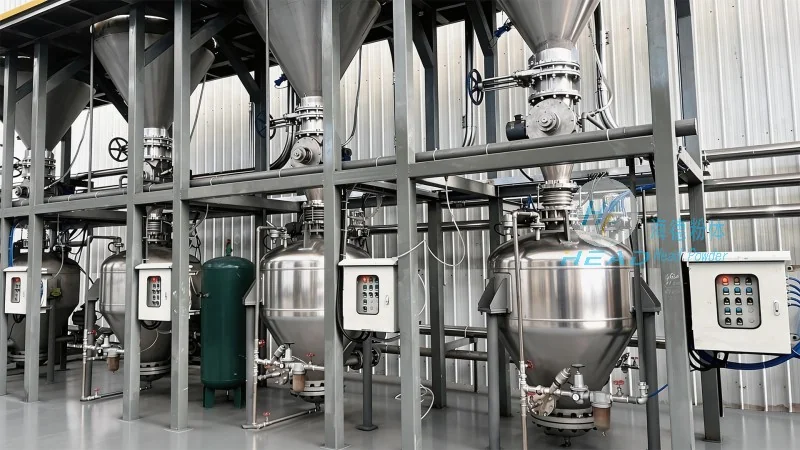
HeadPowder’s expertise lies in evaluating the physical properties of fiber materials and selecting the most appropriate system configuration. The company’s engineers work closely with clients to assess factors such as particle size, moisture content, conveying distance, and operational constraints, ensuring that the final system design meets both performance and cost objectives. By leveraging advanced engineering techniques and state-of-the-art equipment, HeadPowder delivers systems that provide reliable, efficient, and cost-effective material transport for fiber materials.
HeadPowder’s commitment to quality and customer satisfaction is evident in their approach to system design and installation. The company adheres to strict manufacturing standards and conducts thorough testing to ensure that each system meets or exceeds industry benchmarks for performance and durability. Additionally, HeadPowder provides comprehensive support services, including maintenance, troubleshooting, and system optimization, to help clients maximize the lifespan and efficiency of their conveying systems.
Conclusion: Making the Right Choice for Your Fiber Material Handling Process
Selecting the right pneumatic conveying system for fiber materials is a critical decision that can significantly impact the efficiency and profitability of industrial operations. By carefully evaluating the physical characteristics of the fiber material, the conveying requirements, and the operational constraints, businesses can choose a system that delivers optimal performance while minimizing costs and downtime. With the expertise and experience of companies like Shandong HeadPowder Engineering Co., Ltd., businesses can ensure that their fiber material handling processes are optimized for efficiency, reliability, and long-term success.

 Công ty TNHH Kỹ thuật Công trình Bột Hải Đức Sơn Đông
 156-6277-7102(Quản lý Trương)
  0531-83386006
  Quận Chương Khâu, Thành phố Tế Nam, Tỉnh Sơn Đông, Trung Quốc
Điện thoại
WeChatTư vấn
Lên đầu