Công ty Hải Đức Bột với hơn 10 năm kinh nghiệm vận chuyển khí, cung cấp hệ thống‑thiết bị‑quạt gió và nhận dự án tổng thầu bột cả nước
At Shandong HeadPowder Engineering Co., Ltd., we specialize in the production and supply of high-quality Polyvinyl Butyral (PVB), a versatile polymer widely used in various industries. Understanding the efficient delivery methods for PVB is crucial for ensuring smooth operations and maintaining product integrity throughout the supply chain.
Understanding PVB Delivery Methods: Ensuring Efficiency and Product Integrity
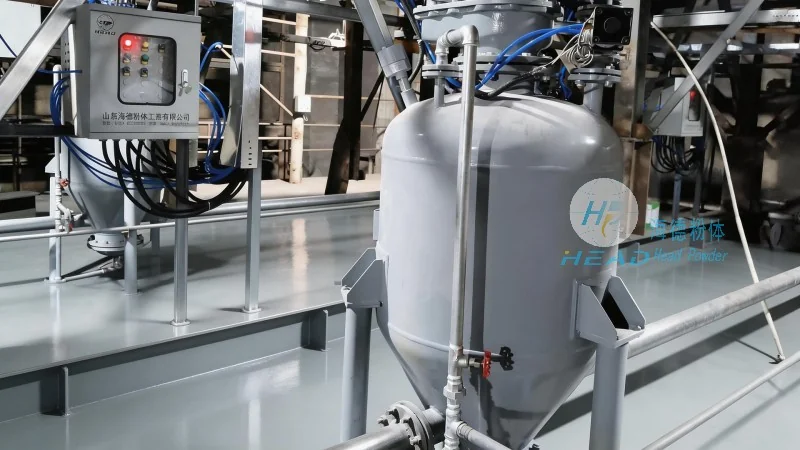
When it comes to delivering Polyvinyl Butyral (PVB), several methods are commonly employed by manufacturers and suppliers to meet the diverse needs of clients. These methods are designed to optimize the transportation process while preserving the quality and properties of the polymer. The choice of delivery method often depends on factors such as the volume of PVB being transported, the distance involved, and the specific requirements of the end-user.
1. Bulk Transportation via Pipelines and Tanks
For large-scale operations, bulk transportation of PVB is often achieved through pipelines and specialized tank trucks. This method is particularly effective for long-distance delivery and high-volume shipments. The PVB is typically stored in bulk tanks at the manufacturing facility and then pumped through pipelines to the delivery point. This approach minimizes handling and reduces the risk of contamination or degradation. The pipelines are usually made of materials resistant to the chemical properties of PVB, such as stainless steel or high-density polyethylene, to ensure durability and prevent any reaction with the polymer. Advanced monitoring systems are often integrated into the pipeline network to track flow rates, pressure, and temperature in real-time, allowing for immediate adjustments to maintain optimal conditions.
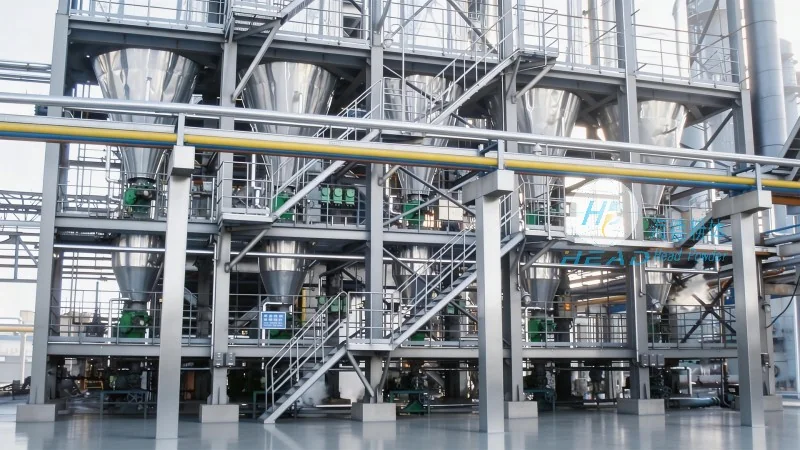
2. Containerized Shipping with Specialized Packaging
For smaller or medium-sized orders, containerized shipping is a popular option. PVB is often packaged in sealed containers, such as plastic or metal drums, or in bulk bags (big bags) for easier handling and storage. These containers are designed to maintain the integrity of the PVB, protecting it from moisture, air, and other environmental factors that could affect its quality. The packaging materials are selected based on the specific characteristics of PVB, ensuring that the product remains stable during transit. For example, plastic drums are commonly used for smaller batches, while big bags are preferred for larger quantities due to their cost-effectiveness and ease of handling. The containers are also equipped with venting systems to release any trapped gases, preventing pressure buildup and potential leaks.
3. Pumping Systems and Transfer Equipment
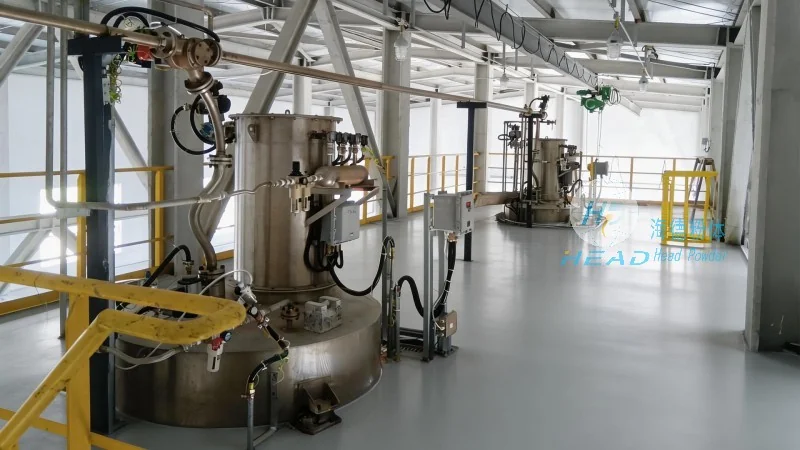
Efficient pumping systems are essential for transferring PVB from storage tanks to delivery vehicles or processing equipment. Centrifugal pumps or positive displacement pumps are commonly used, depending on the viscosity and flow rate requirements. These systems are equipped with appropriate seals and materials to prevent leakage and contamination. The use of transfer equipment, such as hoses or transfer pumps, allows for flexible and localized delivery, especially in industrial settings where PVB is used on-site. Proper maintenance of these systems is crucial to ensure consistent performance and avoid any disruptions in the delivery process. Regular cleaning and inspection of pump components help prevent the buildup of PVB residues, which could lead to clogging or reduced efficiency. Additionally, temperature control mechanisms are integrated into some pumping systems to maintain the PVB at an optimal temperature, ensuring smooth flow and preventing viscosity-related issues.
4. Considerations for Safe and Effective PVB Delivery
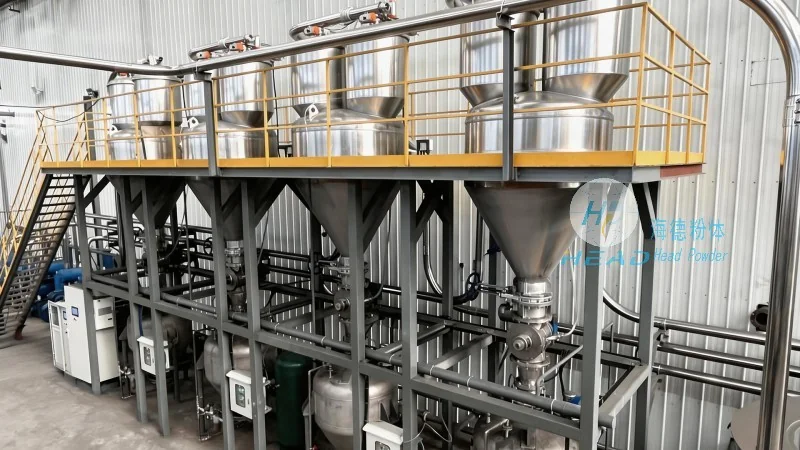
When selecting a delivery method for PVB, several factors must be considered to ensure safety and efficiency. First, the temperature of the PVB during transportation is critical, as PVB can become more viscous at lower temperatures, making it harder to pump. Therefore, heating systems may be required for cold weather conditions to maintain optimal flow rates. This is particularly important for bulk pipelines, where insulation and heating elements are installed to keep the PVB in a fluid state. Second, the storage and handling of PVB must adhere to safety regulations to prevent any accidents or health hazards. PVB is generally considered non-toxic but can cause skin irritation if not handled with proper protective equipment. Workers involved in the delivery process are required to wear gloves, safety glasses, and sometimes respirators to minimize exposure. Finally, the delivery method should be chosen based on the client's specific needs, including the volume, delivery time, and destination, to ensure a seamless and cost-effective process. Collaborating with clients to understand their requirements allows us to tailor the delivery approach, whether it's bulk pipeline transport or containerized shipping, to meet their operational demands.
Conclusion: Optimizing PVB Delivery for Industry Success
Efficient delivery of Polyvinyl Butyral (PVB) is a cornerstone of successful operations in industries that rely on this versatile polymer. By employing a combination of bulk pipeline systems, specialized packaging, and advanced pumping technologies, manufacturers like Shandong HeadPowder Engineering Co., Ltd. ensure that PVB is delivered safely, efficiently, and in optimal condition. Understanding the nuances of each delivery method and adapting to the specific needs of clients is key to maintaining customer satisfaction and supporting the growth of industries that depend on PVB. As a leading supplier of PVB, we are committed to providing reliable delivery solutions that uphold the quality and integrity of our products, supporting our clients' success in their respective fields.

 Công ty TNHH Kỹ thuật Công trình Bột Hải Đức Sơn Đông
 156-6277-7102(Quản lý Trương)
  0531-83386006
  Quận Chương Khâu, Thành phố Tế Nam, Tỉnh Sơn Đông, Trung Quốc
Điện thoại
WeChatTư vấn
Lên đầu