Công ty Hải Đức Bột với hơn 10 năm kinh nghiệm vận chuyển khí, cung cấp hệ thống‑thiết bị‑quạt gió và nhận dự án tổng thầu bột cả nước
Efficient ash handling is a critical component of modern industrial operations, particularly in power generation and waste management facilities. The process of transporting ash from its source to disposal or recycling sites requires specialized equipment and methods to ensure safety, efficiency, and compliance with environmental regulations. This article explores the primary methods used for ash conveying, highlighting the technologies and systems that enable effective ash management.
Understanding Ash Conveying Systems
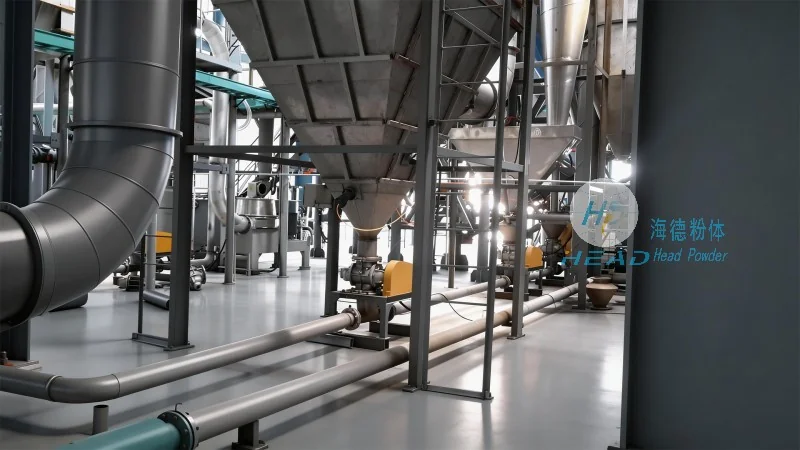
Ash conveying systems are designed to transport ash, which is the byproduct of burning coal, biomass, or other fuels, from the source of generation to a designated disposal or processing location. These systems must handle large volumes of ash while maintaining operational safety and minimizing environmental impact. The choice of conveying method depends on factors such as ash characteristics, distance to be covered, and the specific requirements of the facility.
Key Components of Ash Conveying
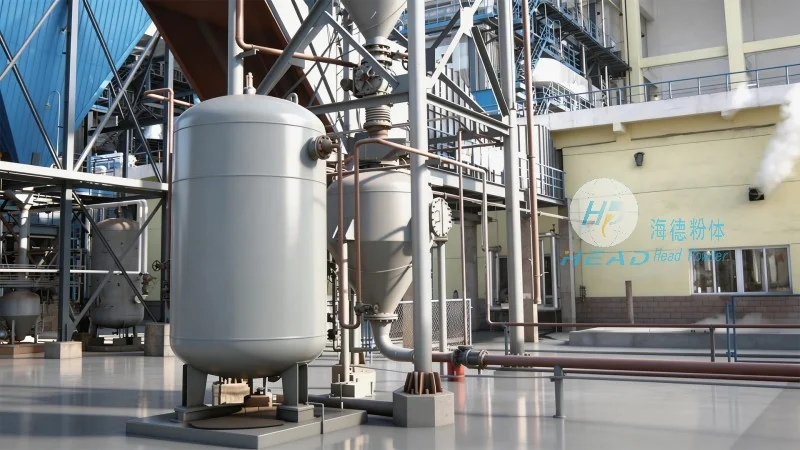
Before delving into the different methods, it's essential to understand the core components that make up an ash conveying system. These components typically include ash collection equipment, conveyors, transfer points, and control systems. Each component plays a vital role in ensuring the smooth and safe operation of the entire system. For instance, ash collection hoppers or bunkers are used to collect ash from boilers or other combustion sources, while conveyors transport the ash to the next stage of processing or disposal.
Common Ash Conveying Methods
There are several established methods for ash conveying, each with its own advantages and applications. The most common approaches include mechanical conveying, pneumatic (air) conveying, and hydraulic conveying. Each method is suited to different operational conditions and ash characteristics.
Mechanical Conveying Methods
Mechanical conveying systems utilize physical components like belts, chains, or screws to move ash. One of the most widely used mechanical methods is the belt conveyor, which consists of a continuous loop of belt supported by rollers. Ash is placed on the belt at the loading point and transported to the discharge point by the rotation of the rollers. Belt conveyors are ideal for transporting large volumes of ash over relatively short to medium distances and are commonly used in power plants and waste-to-energy facilities. Another mechanical method is the screw conveyor, which uses a rotating screw to push ash through a tube or trough. Screw conveyors are suitable for handling fine or granular ash and can operate in vertical or horizontal configurations.
Pneumatic (Air) Conveying Methods
Pneumatic conveying systems use compressed air to transport ash in a closed pipeline. This method is particularly effective for transporting ash over longer distances or in environments where dust control is a priority. There are two main types of pneumatic conveying: positive displacement and pressure systems. Positive displacement systems use a pump to force ash through the pipeline, while pressure systems use a blower to create a flow of air that carries the ash. Pneumatic conveying is often preferred for its ability to handle fine ash particles and minimize dust emissions, making it a popular choice in modern industrial settings.
Hydraulic Conveying Methods
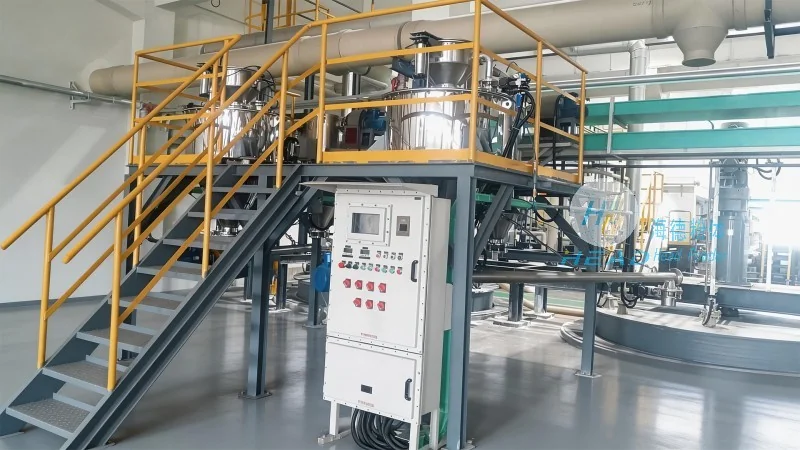
Hydraulic conveying systems use water to transport ash in a slurry form. This method is typically used for transporting ash over long distances or in areas with limited access for mechanical or pneumatic systems. The ash is mixed with water to create a slurry, which is then pumped through a pipeline to the disposal or processing site. Hydraulic conveying is effective for handling high volumes of ash but requires careful management of water usage and slurry disposal to avoid environmental issues. It is commonly used in coal-fired power plants and other facilities where large quantities of ash need to be transported.
Choosing the Right Ash Conveying Method
The selection of an appropriate ash conveying method depends on several factors, including the type and quantity of ash, the distance to be covered, the available space, and the environmental regulations in the area. For example, if the ash is fine and needs to be transported over long distances with minimal dust, a pneumatic system may be the best choice. Conversely, if the ash is coarse and needs to be moved over short distances, a mechanical belt conveyor might be more cost-effective. It is essential to conduct a thorough analysis of the operational requirements and consult with experts to determine the most suitable conveying method for a specific application.
Conclusion
Efficient ash conveying is crucial for maintaining the safety and efficiency of industrial operations. By understanding the different methods available and selecting the appropriate system, facilities can ensure that ash is handled safely and in compliance with environmental standards. Companies like Shandong HeadPowder Engineering Co., Ltd., with their expertise in ash handling systems, provide comprehensive solutions that cater to the diverse needs of modern industrial facilities. Their commitment to innovation and quality ensures that ash conveying systems are designed to meet the highest standards of performance and reliability.

 Công ty TNHH Kỹ thuật Công trình Bột Hải Đức Sơn Đông
 156-6277-7102(Quản lý Trương)
  0531-83386006
  Quận Chương Khâu, Thành phố Tế Nam, Tỉnh Sơn Đông, Trung Quốc
Điện thoại
WeChatTư vấn
Lên đầu