Công ty Hải Đức Bột với hơn 10 năm kinh nghiệm vận chuyển khí, cung cấp hệ thống‑thiết bị‑quạt gió và nhận dự án tổng thầu bột cả nước
When it comes to handling polyethylene materials in industrial settings, selecting the right conveying method is crucial for efficiency, cost-effectiveness, and operational safety. Shandong HeadPowder Engineering Co., Ltd., a leading provider based in Shandong, China, understands the complexities involved in material handling and offers insights into the common polyethylene conveying methods, their advantages, and disadvantages.
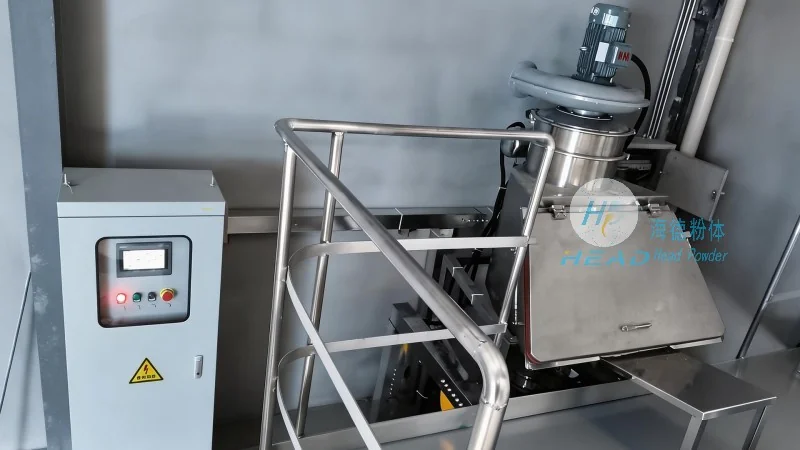
Introduction to Polyethylene Conveying Methods
Polyethylene, a versatile plastic used in various applications from packaging to construction, requires specialized equipment for safe and efficient transport. The choice of conveying method depends on factors such as material properties, production scale, environmental considerations, and budget constraints. Below, we explore several widely used polyethylene conveying methods, analyzing their pros and cons to help businesses make informed decisions.
1. Screw Conveyors (Auger Conveyors)
Screw conveyors, also known as auger conveyors, are among the most common methods for transporting polyethylene. These systems consist of a rotating helical screw inside a tube or trough, which moves material from one point to another through gravitational force and the screw's rotation. The primary advantage of screw conveyors is their simplicity and low maintenance requirements. They are ideal for horizontal or slightly inclined transport and can handle a wide range of polyethylene types, including pellets, granules, and powders. Additionally, screw conveyors are relatively inexpensive to install and operate, making them a cost-effective solution for small to medium-scale operations.
However, screw conveyors have several limitations. They are not suitable for vertical transport due to the risk of material bridging or clogging in the screw. This can lead to operational disruptions and increased downtime. Furthermore, screw conveyors may not be efficient for transporting large volumes of polyethylene, as the material can accumulate in the trough, reducing throughput. Another drawback is their limited ability to handle abrasive or sticky polyethylene, which can cause wear and tear on the screw and trough, leading to higher maintenance costs over time.
2. Pneumatic Conveying Systems
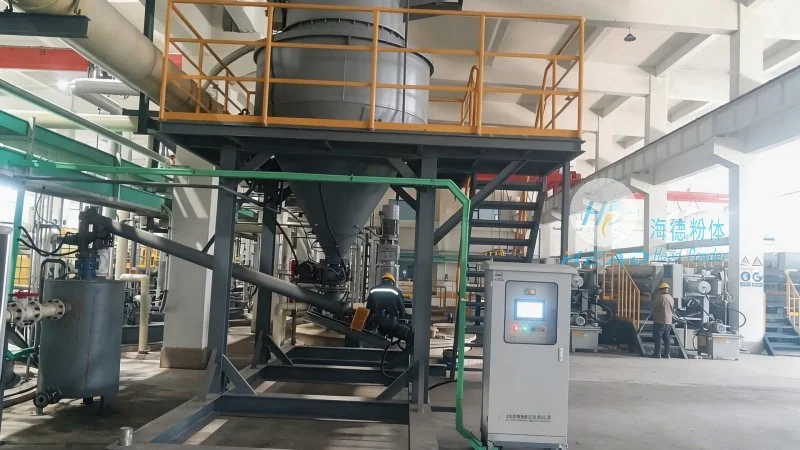
Pneumatic conveying systems use air or other gases to transport polyethylene particles through a pipeline. These systems are categorized into two main types: pressure and vacuum. Pressure systems force air and material through the pipeline, while vacuum systems draw material into the pipeline using a vacuum pump. Pneumatic conveying offers several advantages, particularly for transporting polyethylene in dusty or hazardous environments. It allows for enclosed transport, minimizing dust exposure and improving workplace safety. Additionally, pneumatic systems can handle vertical and horizontal transport with equal efficiency, making them versatile for complex layouts.
Despite these benefits, pneumatic conveying has notable disadvantages. The primary challenge is the high energy consumption required to move material through the pipeline, especially for long distances or large volumes. This can significantly increase operational costs. Furthermore, the system is susceptible to clogging, particularly with wet or sticky polyethylene, which can cause blockages and require frequent maintenance. Another drawback is the need for proper air filtration and moisture control to prevent material degradation and equipment damage. The initial investment for pneumatic systems is also higher compared to other methods, making them less suitable for budget-conscious projects.
3. Belt Conveyors
Belt conveyors are widely used in polyethylene handling due to their ability to transport large volumes of material over long distances. These systems consist of a continuous belt that moves material from a loading point to a discharge point, often supported by rollers or idlers. The primary advantage of belt conveyors is their high throughput capacity, making them ideal for large-scale production lines. They can handle various polyethylene forms, including pellets, sheets, and blocks, and are suitable for both horizontal and inclined transport. Belt conveyors also offer low maintenance costs and can be easily integrated into existing industrial setups.
However, belt conveyors have significant drawbacks. They require a large footprint and substantial space for installation, which may not be feasible in compact industrial environments. The system is also prone to belt slip or material spillage, especially when transporting lightweight or slippery polyethylene. This can lead to material loss and increased cleaning efforts. Additionally, belt conveyors are susceptible to wear and tear from abrasive polyethylene, necessitating regular replacement of the belt and other components. The initial investment for belt conveyors is higher compared to screw or pneumatic systems, and the maintenance costs can be substantial over time.
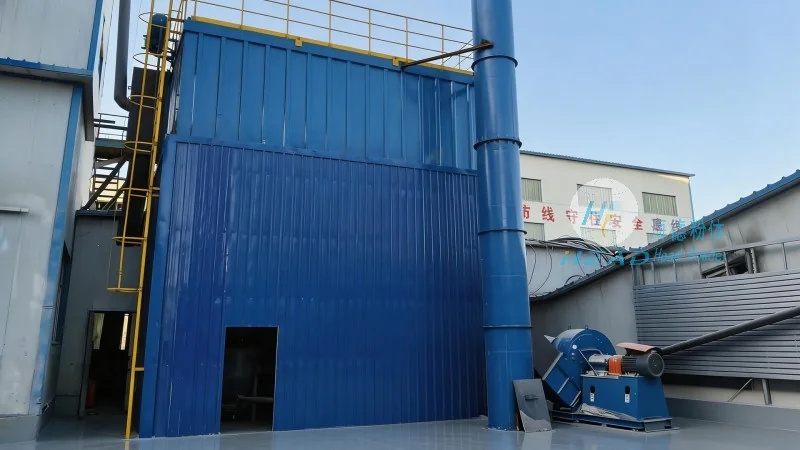
4. Bucket Elevators
Bucket elevators are specialized vertical conveying systems designed to transport polyethylene vertically over significant heights. These systems use a series of buckets attached to a chain or belt, which moves material upward as the buckets rotate and empty at the top. The primary advantage of bucket elevators is their ability to handle vertical transport efficiently, making them suitable for applications where space is limited and vertical movement is required. They can transport polyethylene in a contained manner, reducing dust and improving safety. Additionally, bucket elevators can handle a wide range of material sizes and shapes, including irregularly shaped pellets and granules.
Nevertheless, bucket elevators have several limitations. They are generally more complex and expensive to install compared to other vertical conveying methods. The system requires careful alignment and maintenance to prevent bucket damage or chain failure, which can lead to operational disruptions. Furthermore, bucket elevators are not suitable for transporting large volumes of polyethylene, as the buckets can become overloaded, causing clogging or equipment strain. Another drawback is their limited ability to handle sticky or adhesive polyethylene, which can cause buckets to stick and reduce throughput. The maintenance costs for bucket elevators are also higher due to the need for regular inspection and replacement of components.
Conclusion: Choosing the Right Polyethylene Conveying Method
Choosing the appropriate polyethylene conveying method requires a careful evaluation of operational needs, material characteristics, and budget constraints. Screw conveyors offer simplicity and cost-effectiveness for small-scale applications, while pneumatic systems excel in enclosed and hazardous environments. Belt conveyors are ideal for high-volume horizontal transport, and bucket elevators are suitable for vertical transport in space-constrained settings. Shandong HeadPowder Engineering Co., Ltd. provides expert guidance and customized solutions to help businesses select and implement the most suitable polyethylene conveying method, ensuring optimal performance and operational efficiency.

 Công ty TNHH Kỹ thuật Công trình Bột Hải Đức Sơn Đông
 156-6277-7102(Quản lý Trương)
  0531-83386006
  Quận Chương Khâu, Thành phố Tế Nam, Tỉnh Sơn Đông, Trung Quốc
Điện thoại
WeChatTư vấn
Lên đầu