Công ty Hải Đức Bột với hơn 10 năm kinh nghiệm vận chuyển khí, cung cấp hệ thống‑thiết bị‑quạt gió và nhận dự án tổng thầu bột cả nước
Barium sulfate, a vital industrial material utilized across sectors such as pigments, coatings, and medical imaging, demands efficient and reliable conveying solutions to sustain smooth production workflows. The selection of an appropriate conveying method directly impacts operational efficiency, material handling expenses, and overall product quality. This article provides a comprehensive comparison of common barium sulfate conveying methods, analyzing their respective advantages and disadvantages to assist industrial operators in making well-informed decisions.
Introduction to Barium Sulfate and Conveying Challenges
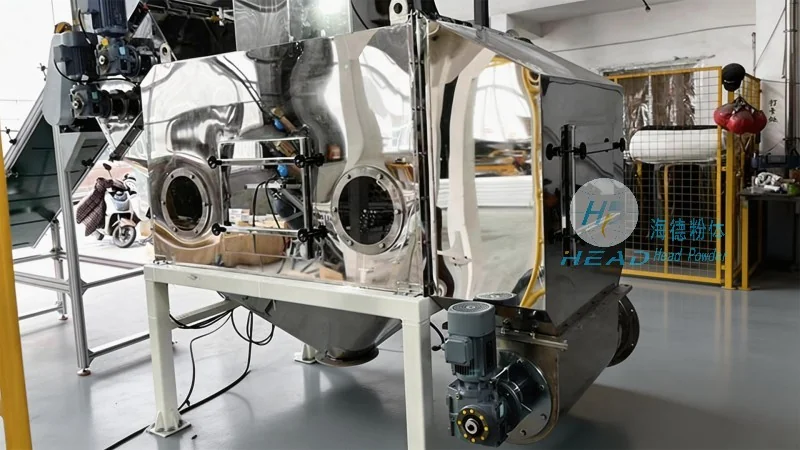
Barium sulfate, characterized by its high density and fine particle size, presents unique handling challenges. Traditional bulk material conveying systems may encounter issues like clogging, uneven flow, and excessive equipment wear. Effective conveying solutions must address these challenges while preserving material integrity and minimizing downtime. The choice of conveying method depends on operational scale, material physical properties, and specific downstream process requirements.
About HeadPowder: A Leading Provider of Conveying Solutions
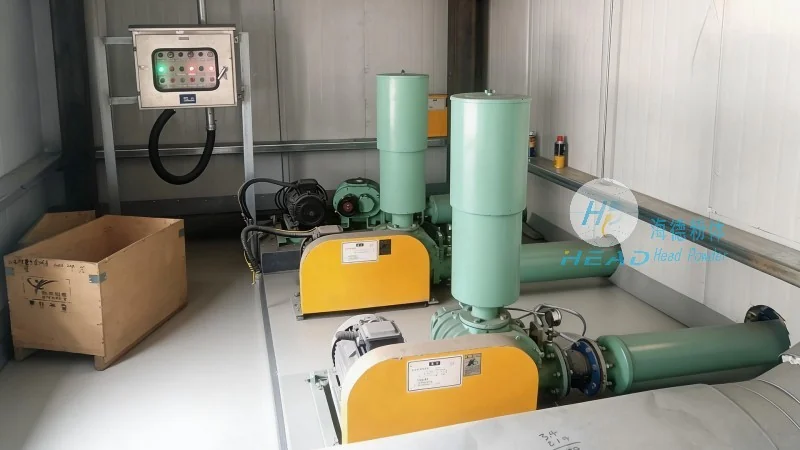
Shandong HeadPowder Engineering Co., Ltd., commonly known as HeadPowder, is a professional manufacturer and supplier specializing in high-quality barium sulfate products and advanced conveying equipment. With a strong presence in China, HeadPowder has established a reputation for delivering reliable solutions tailored to industrial clients' needs. The company's commitment to innovation and customer satisfaction ensures clients receive not only top-tier products but also expert guidance on optimal material handling strategies.
1. Pumping Systems: High-Pressure and Precision Conveying
Pumping systems, including positive displacement and centrifugal pumps, are widely employed for barium sulfate conveying due to their capability to handle high-viscosity slurries and fine powders. These systems offer precise flow rate control, enabling consistent material delivery to processing units. The advantages of pumping systems include efficient long-distance transport, minimal material degradation, and the ability to handle abrasive materials without excessive wear. However, they may require regular maintenance and are less suitable for large-scale, continuous operations where alternative methods might be more cost-effective.
2. Screw Conveyors: Versatile and Low-Maintenance Solutions
Screw conveyors, also known as auger conveyors, are a popular choice for barium sulfate handling due to their simplicity and versatility. These systems utilize a rotating screw to move material along a trough, making them ideal for horizontal or slight incline applications. The primary advantages of screw conveyors include low installation costs, minimal space requirements, and the ability to handle a wide range of materials, including those with high moisture content. They are particularly effective for moderate volumes and can be easily integrated into existing production lines. However, screw conveyors may experience clogging with highly fine or cohesive powders, and their efficiency can decrease with increased material density.
3. Air-Flow Conveying: High-Speed and Dust-Free Transport

Air-flow or pneumatic conveying systems employ compressed air to transport barium sulfate particles through a pipeline. This method offers the advantage of dust-free operation and the ability to convey materials over long distances with minimal equipment. Pneumatic systems are particularly suitable for handling fine powders and can be integrated with filtration systems to ensure environmental compliance. The main benefits include high speed, low maintenance, and the ability to handle materials with high moisture content. However, air-flow conveying may be less efficient for dense or large particles, and the energy consumption can be higher compared to other methods.
4. Belt Conveyors: High-Capacity and Continuous Operation
Belt conveyors are commonly used for bulk material handling, including barium sulfate, due to their high capacity and continuous operation capabilities. These systems use a moving belt to transport material over long distances, making them ideal for large-scale industrial applications. The advantages of belt conveyors include high throughput, low energy consumption, and the ability to handle heavy loads. They are particularly effective for horizontal or gently sloped applications and can be easily modified to accommodate different material types. However, belt conveyors require regular maintenance to prevent belt wear and may not be suitable for fine powders that could cause slippage or clogging.

Comparative Analysis: Choosing the Right Conveying Method
When selecting a barium sulfate conveying method, industrial operators must consider several factors to ensure optimal performance. Pumping systems excel in precision and handling fine slurries but may be less cost-effective for large-scale operations. Screw conveyors offer versatility and low maintenance but may struggle with clogging. Air-flow systems provide dust-free transport and high speed but consume more energy. Belt conveyors are ideal for high-capacity, continuous operations but require regular maintenance. The choice ultimately depends on the specific application, material properties, and operational budget. Consulting with experts like HeadPowder can help identify the most suitable solution for individual production needs.
Conclusion: Balancing Efficiency and Cost in Barium Sulfate Conveying
Efficient barium sulfate conveying is critical to maintaining production efficiency and minimizing operational costs. Each conveying method has its unique advantages and limitations, and the optimal choice varies based on specific industrial requirements. By understanding the pros and cons of different systems, industrial operators can make informed decisions that enhance productivity and material handling performance. HeadPowder, with its expertise in barium sulfate products and conveying solutions, remains a trusted partner for businesses seeking reliable and effective material handling strategies. Whether through pumping, screw conveyors, air-flow systems, or belt conveyors, HeadPowder provides tailored solutions to meet the diverse needs of the industrial sector.

 Công ty TNHH Kỹ thuật Công trình Bột Hải Đức Sơn Đông
 156-6277-7102(Quản lý Trương)
  0531-83386006
  Quận Chương Khâu, Thành phố Tế Nam, Tỉnh Sơn Đông, Trung Quốc
Điện thoại
WeChatTư vấn
Lên đầu