Công ty Hải Đức Bột với hơn 10 năm kinh nghiệm vận chuyển khí, cung cấp hệ thống‑thiết bị‑quạt gió và nhận dự án tổng thầu bột cả nước
Barium carbonate (BaCO₃) is a widely used chemical compound in various industrial applications, including glass manufacturing, ceramics, and as a precursor in the production of other barium compounds. The efficient and safe delivery of barium carbonate from storage to processing equipment is crucial for maintaining production efficiency and ensuring product quality. Different delivery methods are employed based on the specific requirements of the application, such as material handling capacity, environmental considerations, and operational costs. This article provides a comprehensive comparison of common barium carbonate delivery methods, highlighting their advantages and disadvantages to help industrial operators make informed decisions.
1. Pumping Systems for Barium Carbonate
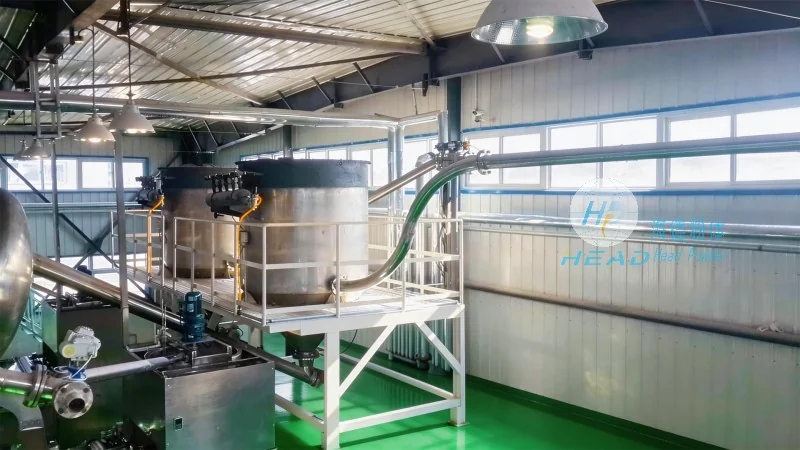
Pumping systems are a common method for transporting barium carbonate, especially when dealing with slurries or solutions. These systems typically involve the use of centrifugal pumps or positive displacement pumps, which can handle the abrasive nature of the material. The primary advantage of pumping systems is their ability to deliver a consistent flow rate, ensuring a steady supply to processing equipment. Additionally, pumping systems can be integrated with filtration and mixing equipment, allowing for better control over the material's consistency. However, pumping systems may require regular maintenance to prevent wear and tear from the abrasive barium carbonate particles. They also need proper sealing to avoid contamination and leakage, which can be a safety concern in industrial settings. The operational cost of pumping systems includes energy consumption and the need for regular pump replacement or repair, which can impact long-term cost-effectiveness.
2. Pneumatic Conveying Systems
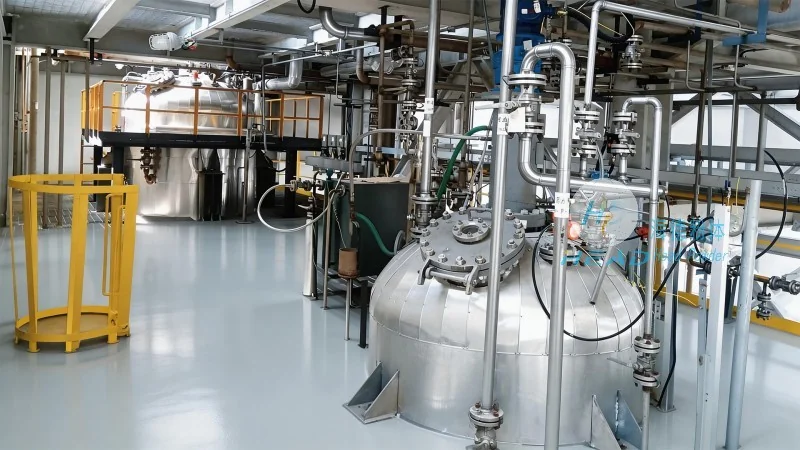
Pneumatic conveying systems use air or other gases to transport barium carbonate particles through a pipeline. This method is particularly suitable for handling dry powders and can be either pressure or vacuum-based. The main advantage of pneumatic conveying is its ability to transport materials over long distances without the need for complex infrastructure. It also allows for the integration of multiple processing points along the pipeline, enabling flexible material distribution. However, pneumatic conveying systems may experience pressure drops over long distances, which can reduce the material's velocity and increase the risk of clogging. The energy consumption for pneumatic systems is typically higher than for other methods, as they require powerful blowers or vacuum pumps. Additionally, the system's design must consider the particle size and density of the barium carbonate to ensure efficient transport, as larger or heavier particles may cause blockages.
3. Screw Conveyors for Barium Carbonate
Screw conveyors are another common method for transporting barium carbonate, especially in applications where the material needs to be moved horizontally or at a slight incline. These systems consist of a rotating screw inside a trough, which pushes the material forward. The primary advantage of screw conveyors is their simplicity and low maintenance requirements. They are relatively inexpensive to install and operate, making them suitable for small to medium-scale operations. Screw conveyors also provide a continuous and controlled flow of material, reducing the risk of material buildup or spillage. However, screw conveyors have limitations in terms of the material's bulk density and particle size. Larger or more abrasive particles may cause excessive wear on the screw and trough, leading to higher maintenance costs. Additionally, screw conveyors are not suitable for vertical lifting over long distances, as the material may experience excessive pressure and friction, potentially leading to blockages.
4. Comparison of Delivery Methods
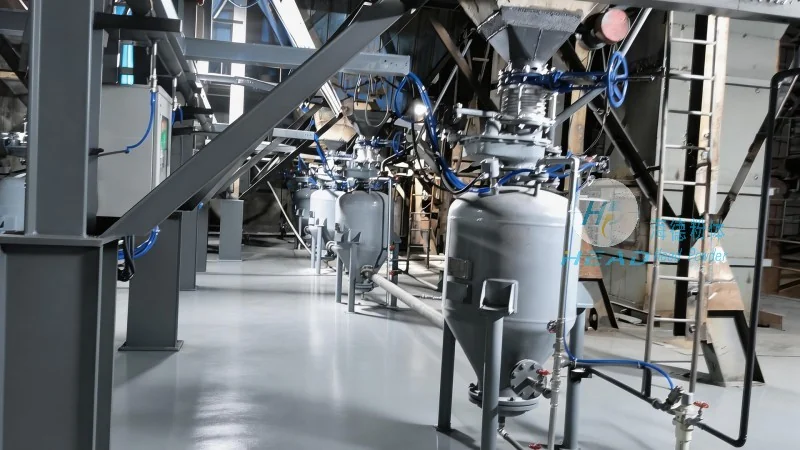
When selecting a barium carbonate delivery method, industrial operators must consider several factors, including the material's properties, the required flow rate, the distance to be covered, and the operational budget. Pumping systems are ideal for slurries and require a consistent flow, while pneumatic conveying is better for dry powders over long distances. Screw conveyors are suitable for horizontal transport and low-cost applications. The choice of method also impacts safety and environmental considerations. Pumping systems may pose a risk of leakage, while pneumatic systems can generate dust, requiring proper ventilation and filtration. The maintenance costs and energy consumption of each system should also be evaluated to ensure long-term cost-effectiveness.
Conclusion and Recommendations
Shandong HeadPowder Engineering Co., Ltd., a leading supplier of barium carbonate and related processing equipment, offers comprehensive solutions for material delivery. The company specializes in designing and manufacturing customized delivery systems tailored to the specific needs of industrial applications. By considering the advantages and disadvantages of each delivery method, operators can select the most appropriate system to ensure efficient, safe, and cost-effective barium carbonate handling. HeadPowder's expertise in material handling technology ensures that their solutions meet the highest standards of performance and reliability, supporting the smooth operation of industrial processes.

 Công ty TNHH Kỹ thuật Công trình Bột Hải Đức Sơn Đông
 156-6277-7102(Quản lý Trương)
  0531-83386006
  Quận Chương Khâu, Thành phố Tế Nam, Tỉnh Sơn Đông, Trung Quốc
Điện thoại
WeChatTư vấn
Lên đầu