Công ty Hải Đức Bột với hơn 10 năm kinh nghiệm vận chuyển khí, cung cấp hệ thống‑thiết bị‑quạt gió và nhận dự án tổng thầu bột cả nước
When it comes to the transportation of calcium chloride, selecting the right delivery method is crucial for ensuring efficiency, safety, and cost-effectiveness in industrial applications. Calcium chloride (CaCl₂) is widely used in various industries, including construction, de-icing, and chemical manufacturing. Its high solubility and exothermic dissolution properties make it a valuable but challenging material to handle. Proper delivery methods are essential to minimize risks such as splashing, leakage, and equipment corrosion. The choice of delivery method depends on factors like the application, scale of operation, and environmental considerations. Understanding the pros and cons of each method allows companies to make informed decisions.
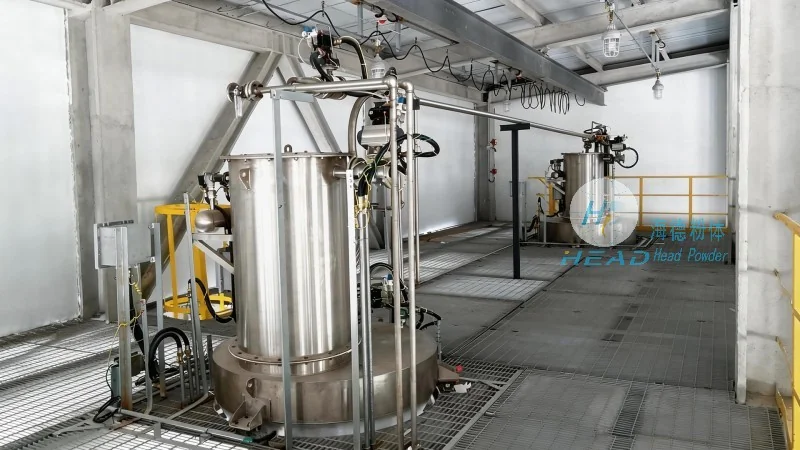
Overview of Calcium Chloride and Its Delivery Importance
Calcium chloride is a highly hygroscopic and corrosive substance, requiring specialized handling to prevent accidents and maintain product integrity. Proper delivery methods are critical to ensure the material reaches its destination without degradation or safety hazards. The selection of a delivery method impacts operational costs, safety protocols, and overall process efficiency. Businesses must evaluate their specific needs, including the volume of calcium chloride required, the distance of transport, and the nature of the end-use application, to choose the most suitable approach.
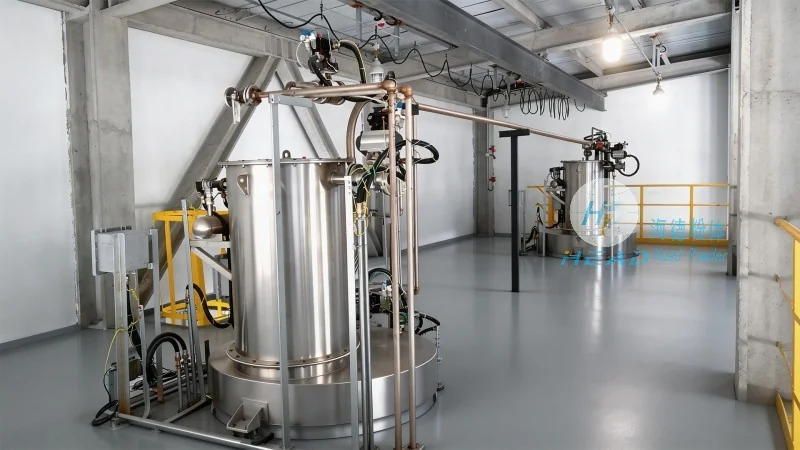
Common Calcium Chloride Delivery Methods
Pump Delivery via Positive Displacement Pumps
Positive displacement pumps, such as gear pumps or progressing cavity pumps, are commonly used for calcium chloride delivery. These pumps work by trapping fluid in a cavity and forcing it through the pump. The advantages of using positive displacement pumps include high pressure capability, consistent flow rates, and suitability for viscous or abrasive liquids like calcium chloride. They are particularly effective when dealing with high concentrations of calcium chloride, as they can maintain stable pressure and prevent clogging. However, these pumps have limitations, including higher maintenance costs and potential for wear due to the corrosive nature of the substance. Additionally, they may not be ideal for large-scale operations where continuous flow is required without frequent stops.
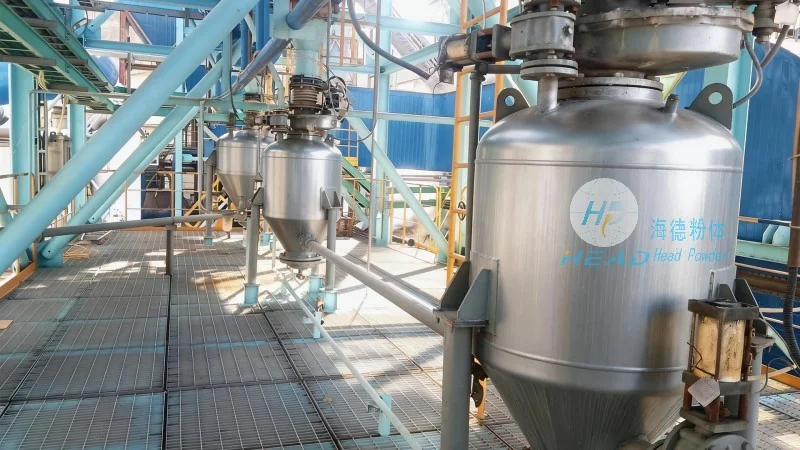
Pipeline and Bulk Tanker Transport
Bulk tanker trucks and pipelines are another common method for calcium chloride delivery, especially for large-scale industrial applications. This approach involves transporting the material in bulk quantities from the manufacturer to the end-user. The primary advantage of pipeline transport is its efficiency and ability to handle large volumes with minimal labor. It reduces the risk of spills and accidents associated with handling individual containers. However, pipeline systems require significant infrastructure investment and regular maintenance to ensure leak-free operation. Bulk tanker delivery, while effective for long distances, may face challenges such as temperature fluctuations affecting the material's properties and potential for corrosion in the tanker itself. Moreover, the cost of transportation can be higher compared to smaller-scale delivery methods.
Containerized Delivery with Specialized Containers
Containerized delivery involves using specialized containers, such as ISO tanks or bulk containers, to transport calcium chloride. These containers are designed to withstand the corrosive and hygroscopic properties of the substance, ensuring safe and secure transport. The advantages of this method include the ability to transport large quantities in a single container, reducing handling steps and potential exposure to the material. Specialized containers often come with features like temperature control and leak detection systems, enhancing safety during transit. However, containerized delivery may be less flexible for smaller or irregularly scheduled orders. The cost of renting or purchasing specialized containers can also be a factor, especially for businesses with limited storage capacity. Additionally, proper handling and storage of the containers at the destination are critical to prevent accidents.
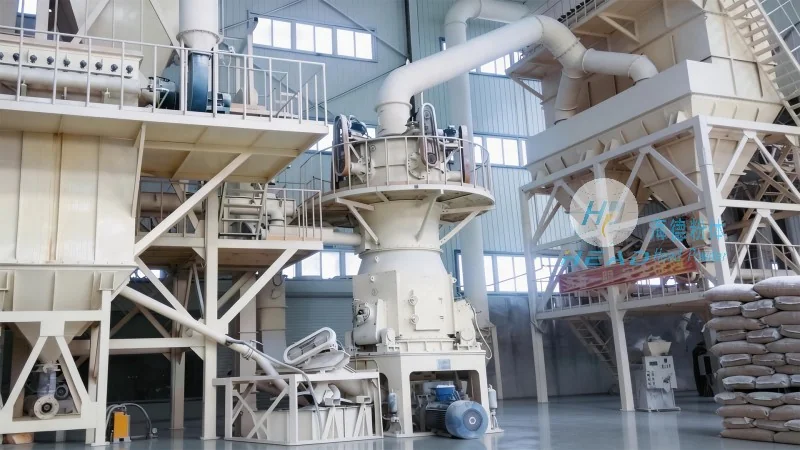
Advantages and Disadvantages Summary
Each calcium chloride delivery method has its own set of advantages and disadvantages, which must be carefully evaluated based on specific operational needs. Positive displacement pumps offer precision and control but require regular maintenance. Pipeline and bulk tanker transport excel in efficiency and large-scale operations but demand substantial infrastructure. Containerized delivery provides flexibility and safety but may incur higher costs for specialized equipment. Ultimately, the best delivery method depends on factors like the scale of the operation, the distance of transport, and the specific requirements of the application. By understanding these trade-offs, businesses can select the most suitable approach to ensure the safe and efficient delivery of calcium chloride.
Conclusion
In conclusion, the choice of calcium chloride delivery method significantly impacts operational efficiency and safety. Positive displacement pumps, pipeline transport, and containerized delivery each offer unique benefits and challenges. Companies must consider their specific needs, including the volume of calcium chloride required, the distance of transport, and the available infrastructure, when making a decision. By carefully evaluating the advantages and disadvantages of each method, businesses can optimize their calcium chloride delivery processes, minimize risks, and enhance overall performance. As a leading provider of calcium chloride solutions, Shandong HeadPowder Engineering Co., Ltd. specializes in delivering high-quality calcium chloride products using the most appropriate methods tailored to client requirements. With a commitment to safety and efficiency, HeadPowder ensures reliable delivery of calcium chloride to meet the diverse needs of industries worldwide.

 Công ty TNHH Kỹ thuật Công trình Bột Hải Đức Sơn Đông
 156-6277-7102(Quản lý Trương)
  0531-83386006
  Quận Chương Khâu, Thành phố Tế Nam, Tỉnh Sơn Đông, Trung Quốc
Điện thoại
WeChatTư vấn
Lên đầu